How to Maintain Your Home’s Plumbing System for Long-Lasting Performance
How to Maintain Your Home’s Plumbing System for Long-Lasting Performance
Your home’s plumbing system is an essential component that ensures clean water supply, efficient drainage, and overall comfort. Proper maintenance of this system is crucial to avoid costly repairs, water damage, and inconvenience. In this article, we will explore practical and effective ways to maintain your home’s plumbing system for optimal, long-lasting performance.
Understand the Basics of Your Plumbing System
Before diving into maintenance tips, it’s important to have a basic understanding of your plumbing system. Your home’s plumbing includes supply pipes that bring fresh water in, fixtures such as sinks and showers, and a drainage system that removes wastewater. Knowing how these components work together will help you identify potential problems early and take timely action.
Regularly Inspect Pipes and Fixtures
Routine inspection is key to identifying small issues before they become big problems. Here’s what you should look for:
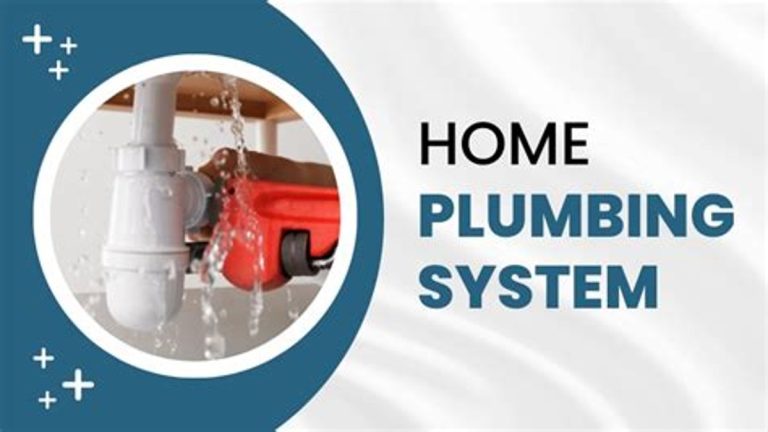
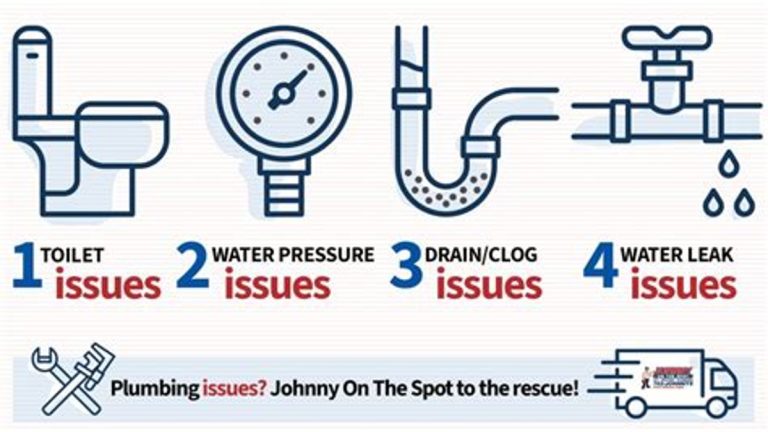
- Leaks: Check under sinks, around toilets, and near appliances for signs of water leaks. Even small drips can increase your water bill and cause damage over time.
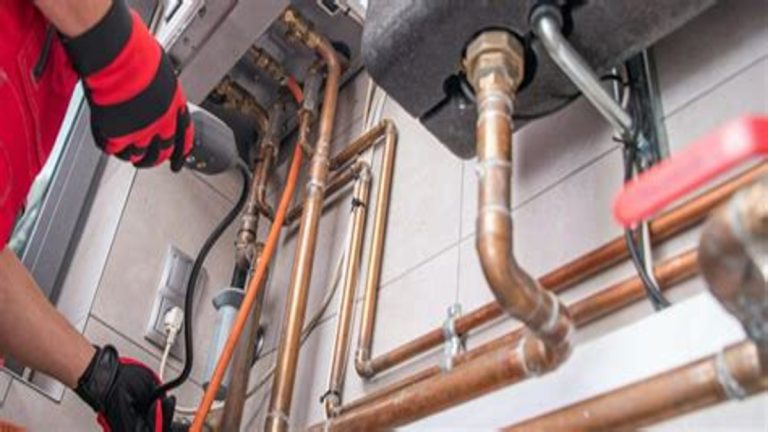
- Rust or Corrosion: Examine exposed pipes for discoloration or rust, which can weaken the pipes and lead to leaks or bursts.
- Water Pressure: Pay attention to your water pressure. Low pressure might indicate a clog or pipe damage, while very high pressure can strain pipes and fixtures.
- Drain Function: Test drains regularly to ensure water flows smoothly without slowdowns, which often indicate clogs forming.
Prevent Clogs to Avoid Drainage Issues
Clogs are a common plumbing nuisance that can lead to backups and unpleasant odors. Here are some practical tips to prevent them:
- Use Drain Screens: Install screens over your drains to catch hair, food particles, and debris that can cause blockages.
- Dispose of Grease Properly: Never pour grease or cooking oils down the sink. Instead, collect them in a container and throw them in the trash.
- Be Mindful of Flushables: Avoid flushing anything other than toilet paper, such as wipes, sanitary products, or cotton balls, to prevent blockages in your sewer lines.
- Regular Cleaning: Once a month, pour a mixture of baking soda and vinegar into drains followed by hot water to help dissolve buildup.
Insulate Pipes to Prevent Freezing
In colder climates, frozen pipes can cause significant damage when they burst. Preventing pipe freezing is an essential part of plumbing maintenance:
- Pipe Insulation: Use foam sleeves or rubber insulation around exposed pipes, particularly those in basements, crawl spaces, or exterior walls.
- Seal Gaps: Check for gaps or cracks around pipes entering your home and seal them to reduce cold air infiltration.
- Let Faucets Drip: During extreme cold, allow faucets to drip slowly to keep water moving and reduce the risk of freezing.
- Maintain Home Temperature: Keep your home heated to a minimum of 55°F (13°C) even when away to prevent freezing.
Know How to Shut Off Your Water Supply
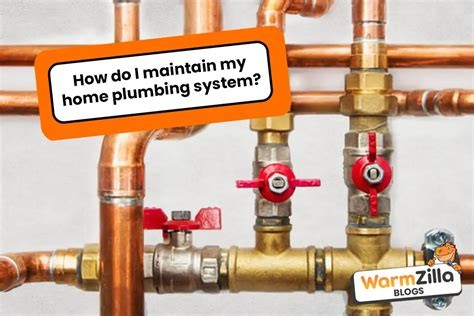
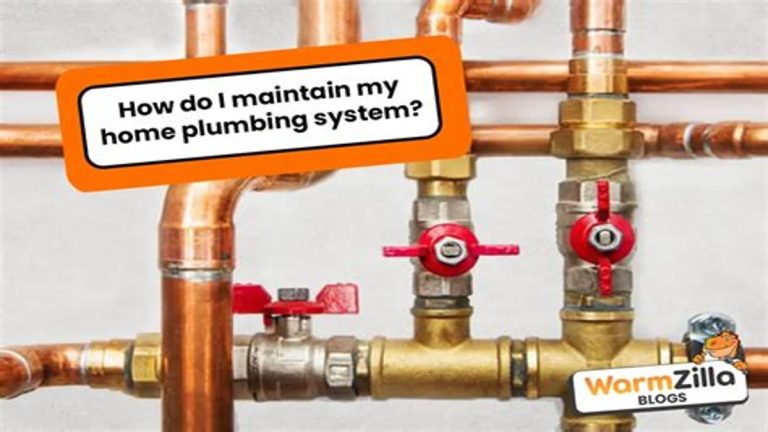
In case of a major leak or burst pipe, shutting off your home’s water supply immediately can minimize damage. Locate your main water shut-off valve and ensure everyone in the household knows where it is and how to operate it. Test the valve occasionally to confirm it functions properly.
Maintain Your Water Heater
Your water heater is another important part of your plumbing system. Proper maintenance extends its lifespan and ensures energy efficiency:
- Flush the Tank Annually: Sediment buildup reduces efficiency and can clog pipes. Flushing out your water heater once a year clears out deposits.
- Check the Temperature Setting: Set your water heater at around 120°F (49°C) to prevent scalding and reduce energy consumption.
- Inspect the Anode Rod: This rod helps prevent tank corrosion. Check it every couple of years and replace it if worn down.
- Look for Leaks: Regularly check around the tank for any signs of leaking or rust.
Schedule Professional Plumbing Inspections
While many maintenance tasks can be done by homeowners, scheduling an annual inspection with a professional plumber is valuable. A professional can:
- Detect hidden leaks or pipe corrosion
- Assess your water heater and other fixtures for efficiency and safety
- Provide thorough drain cleaning to prevent stubborn clogs
- Offer advice on necessary repairs or upgrades
Early detection of issues by a professional can save you a lot of hassle and money in the long run.
Be Mindful of Water Usage
Conserving water not only helps the environment but also reduces wear on your plumbing system. Simple habits like turning off taps while brushing teeth, fixing leaks promptly, and using water-efficient appliances can make a big difference in the health of your plumbing system.
Replace Old or Damaged Components Promptly
Over time, some parts of your plumbing system will inevitably wear out. Don’t delay replacing worn-out fixtures, damaged pipes, or faulty valves. Using outdated parts can increase the risk of leaks, water damage, and poor system performance.
Conclusion
Maintaining your home’s plumbing system doesn’t have to be complicated or expensive. With regular inspections, proactive prevention of clogs, proper water heater care, and timely professional checkups, you can ensure your plumbing stays in excellent condition for years to come. Remember, early detection and routine upkeep are your best defenses against costly plumbing emergencies, helping you enjoy reliable water flow and peace of mind.