How to Maintain Your Home Plumbing System for Long-Lasting Performance
How to Maintain Your Home Plumbing System for Long-Lasting Performance
Maintaining your home plumbing system is essential to ensure smooth operation and avoid costly repairs. A well-maintained plumbing system not only saves you money but also contributes to a healthier and more comfortable living environment. In this guide, we will explore practical steps and tips to keep your plumbing system in top shape, helping you extend its lifespan and prevent common issues.
Why Regular Plumbing Maintenance Matters
Your home’s plumbing system is an intricate network of pipes, fixtures, valves, and appliances that work together to provide water and remove waste. Over time, components can wear out, clog, corrode, or develop leaks, leading to inefficiencies or serious damage. Regular maintenance helps you identify potential problems early, avoid emergency repairs, and maintain water quality and pressure throughout your home.
Inspect Fixtures and Faucets
Start maintaining your plumbing system by regularly checking all fixtures and faucets throughout your home. Look out for the following:
- Leaks: Even a small drip can waste gallons of water daily and increase your bill. Fix leaks promptly to avoid further damage.
- Corrosion or rust: Visible signs on faucets and pipes may indicate aging materials that should be replaced soon.
- Water pressure: Low water pressure may signal blockages, leaks, or issues with the pressure regulator.
- Proper operation: Ensure that handles turn smoothly and valves open and close correctly.
Routine inspection helps prevent small issues from escalating into major problems.
Prevent and Clear Clogs
Clogged drains are a common plumbing headache. Hair, grease, food particles, and soap can accumulate inside drains, leading to slow drainage or blockages. Take these steps to avoid clogs:
- Use drain screens: Installing mesh strainers in sinks and showers can catch debris before it enters the pipes.
- Avoid pouring grease down the drain: Let cooking grease cool and dispose of it in the trash instead.
- Use natural drain cleaners: Periodically flush drains with a mixture of baking soda and vinegar followed by hot water to break down buildup without harsh chemicals.
- Act promptly: If water begins to drain slowly, use a plunger or a drain snake to clear the clog before it worsens.
Monitor Water Pressure and Flow
Water pressure that is too high or too low can strain plumbing fixtures and appliances. High pressure can cause leaks or burst pipes, while low pressure can disrupt the flow of water to taps and showers. To maintain ideal water pressure:
- Test your water pressure with a gauge, available at most hardware stores.
- Install or adjust a pressure regulator valve if your pressure is above 80 psi.
- Fix leaks promptly, as they can affect pressure levels.
Check Your Water Heater
Your water heater is a key component of your plumbing system and requires regular attention. Proper maintenance of your water heater can improve efficiency and prevent costly breakdowns:
- Flush the tank annually: Sediment buildup can reduce efficiency and shorten the water heater’s lifespan. Draining a few gallons helps remove this sediment.
- Inspect the anode rod: This rod prevents corrosion inside the tank; replace it every few years if heavily corroded.
- Check the temperature setting: Keep it at 120°F to optimize performance and reduce scalding risks.
- Look for leaks or signs of rust: Early detection can prevent major water damage.
Protect Pipes in Cold Weather
Freezing temperatures can cause pipes to burst, resulting in extensive damage and costly repairs. To safeguard your plumbing during winter months:
- Insulate exposed pipes with foam sleeves or wrapping materials.
- Seal any gaps or cracks near pipes that allow cold air inside.
- Disconnect garden hoses and shut off outdoor water valves.
- Keep cabinet doors under sinks open to allow warm air circulation.
- Maintain a consistent home temperature, even when you’re away.
Address Minor Leaks Promptly
Seemingly insignificant leaks can waste dozens of gallons of water each day and cause water damage to walls, floors, and cabinetry. Minor leaks around faucets, toilets, or pipes can be fixed quickly to avoid escalation:
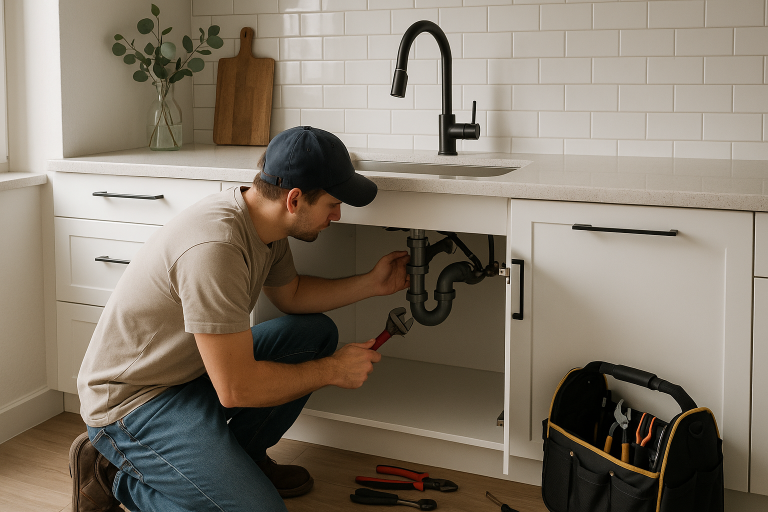
- Tighten loose fixtures with a wrench.
- Replace worn-out washers or gaskets.
- If unsure, consult a professional plumber to evaluate and repair the issue.
Schedule Professional Inspections
While many plumbing maintenance tasks can be done by homeowners, professional inspections every few years are highly recommended. Licensed plumbers can:
- Perform comprehensive system checks to identify hidden leaks, corrosion, or damaged pipes.
- Test water quality and suggest filtration or treatment solutions if necessary.
- Inspect sewer lines and septic systems to prevent blockages or contamination.
- Provide expert repairs and maintenance that extend the system’s life.
Know When to Replace Plumbing Components
Over time, parts of your plumbing system may reach the end of their functional lifespan. Signs that replacement is needed include:
- Frequent leaks despite repairs.
- Rust or corrosion on pipes and fixtures.
- Constant clogs or slow drains indicating pipe damage.
- Old galvanized steel pipes that tend to rust internally.
Upgrading aging plumbing not only improves performance but also enhances water safety and efficiency.
Conclusion
Maintaining your home plumbing system involves routine inspections, prompt repairs, preventive steps, and occasionally professional assistance. By staying proactive—checking for leaks, clearing clogs, protecting pipes from cold, and servicing key components—you can enjoy reliable water flow, avoid unexpected breakdowns, and extend the life of your plumbing system. A little regular care goes a long way in protecting your home and your wallet.