How to Maintain Your Home Plumbing System for Long-Lasting Performance
How to Maintain Your Home Plumbing System for Long-Lasting Performance
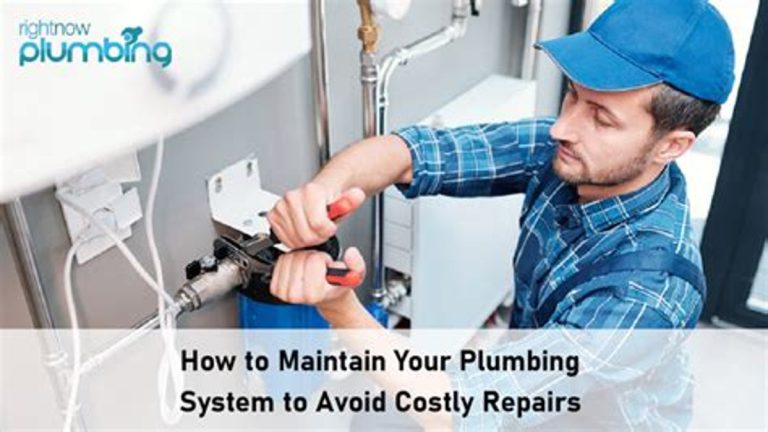
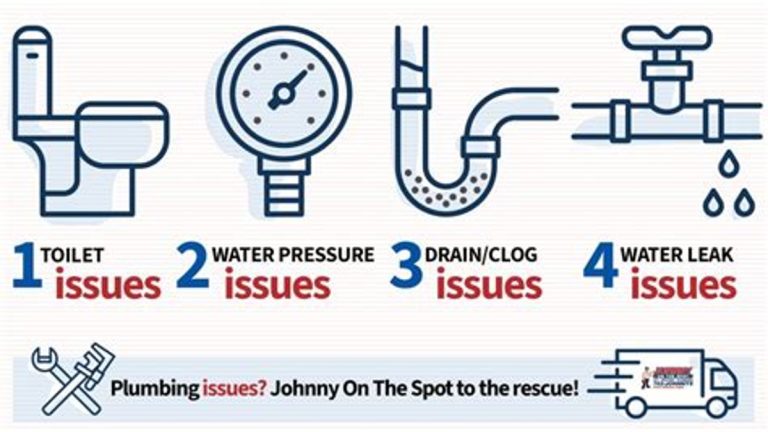
Maintaining your home plumbing system is essential for ensuring it functions efficiently and lasts for many years. Plumbing issues, such as leaks, clogs, and corrosion, can lead to costly repairs and significant inconvenience. However, with regular care and attention, you can prevent many common problems and extend the life of your pipes and fixtures.
In this guide, we will outline practical tips and strategies to help you keep your home plumbing system in excellent condition. Whether you’re a new homeowner or simply want to improve your home maintenance routine, these insights will empower you to take better care of your plumbing.
1. Regularly Inspect Visible Pipes and Fixtures
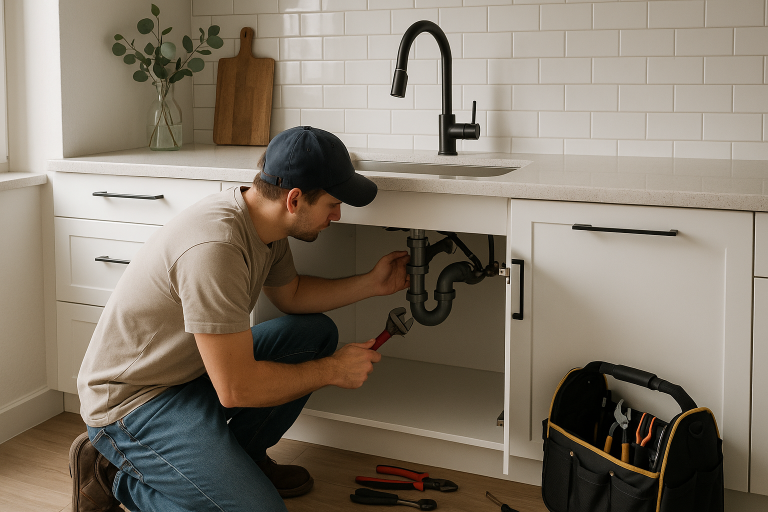
One of the simplest yet most effective ways to maintain your plumbing system is through regular inspections. Take time every few months to check exposed pipes, faucets, and faucets under sinks for signs of leaks, corrosion, or wear.
- Look for drips and moisture: Even a small drip can waste a lot of water and cause damage over time.
- Check for rust or discoloration: Pipes showing rust or unusual coloring may need professional evaluation.
- Listen for unusual sounds: If you hear banging or gurgling noises from your plumbing, it could indicate a problem.
Early detection of these issues can save you money and prevent bigger problems later on.
2. Prevent Clogs with Proper Use
Clogged drains are a common plumbing headache. Fortunately, most clogs can be prevented by mindful use of your drains.
- Avoid pouring grease or oils down the drain: These substances solidify and cause blockages in pipes.
- Use drain screens: Place simple mesh strainers over kitchen and bathroom drains to catch hair, food particles, and debris.
- Dispose of waste correctly: Coffee grounds, fibrous vegetables, and large food scraps belong in the trash, not the garbage disposal.
Regularly clearing hair and residues from shower drains can also help avoid slow drains and backups.
3. Know Your System’s Water Pressure
Excessively high water pressure can damage your plumbing system and shorten the lifespan of fixtures and appliances. Conversely, low water pressure might indicate hidden issues.
Use a water pressure gauge, which you can easily attach to an outdoor spigot, to monitor your system’s pressure. Ideally, home water pressure should range between 40 and 60 psi.
- If pressure is too high, consider installing a pressure-reducing valve (PRV) to protect pipes from undue stress.
- If pressure is unexpectedly low, there could be leaks or blockages that require professional inspection.
4. Insulate Pipes to Prevent Freezing
In colder climates, protecting your pipes from freezing temperatures is vital. Frozen pipes can burst, causing serious water damage and requiring expensive repairs.
- Wrap vulnerable pipes, especially those in unheated areas like basements, attics, and crawl spaces, with foam pipe insulation.
- Seal gaps and cracks around pipes that connect your home to the outside to minimize exposure to cold air.
- During extreme cold snaps, let faucets drip slightly to keep water moving and reduce the risk of freezing.
Proper insulation is a small investment that can save you from major headaches in winter.
5. Maintain Your Water Heater
Your water heater is a critical component of your plumbing system that needs regular upkeep to function effectively and last longer.
- Flush the tank annually: Sediment buildup can reduce efficiency and cause damage.
- Check the temperature setting: Keeping the thermostat around 120°F prevents scalding and reduces energy costs.
- Inspect the anode rod: This sacrificial rod prevents tank corrosion and should be replaced as needed, usually every 3–5 years.
- Look for leaks: Any water pooling around the heater could signal a serious problem.
Regular maintenance extends the life of your water heater and ensures you enjoy consistent hot water.
6. Use a Water Softener If Necessary
Hard water, which contains high levels of minerals like calcium and magnesium, can cause scale buildup in pipes and appliances. This buildup reduces efficiency and increases wear.
If your home has hard water, consider installing a water softening system to remove these minerals. Water softeners protect your plumbing, improve water quality, and can make soaps and detergents more effective.
7. Be Mindful of What You Flush
Only human waste and toilet paper should be flushed down your toilets. Flushing items such as wipes (even those labeled “flushable”), feminine hygiene products, cotton balls, and paper towels often results in clogs and sewage backups.
Educate everyone in your household about proper toilet use to prevent avoidable plumbing problems.
8. Schedule Annual Professional Inspections
Even if you maintain your plumbing carefully, it is wise to have a licensed plumber perform a comprehensive inspection once a year. They can detect hidden problems like slow leaks, damaged pipes, or early signs of corrosion that may not be obvious to homeowners.
Professional inspections and routine maintenance give you peace of mind and help avoid emergency repairs.
9. Address Leaks Promptly
Don’t ignore dripping faucets, running toilets, or wet spots around your home. Leaks waste water and raise your utility bills, and they may indicate bigger issues within your plumbing.
Fixing leaks early is often a straightforward DIY project for minor faucet drips, but more complex leaks require professional attention.
10. Keep Your Sewer Line Clear
Your home’s sewer line is critical for proper drainage. Tree roots and debris can cause blockages or damage the pipes over time.
- Be mindful of planting trees and shrubs far from sewer lines.
- Pay attention to slow drains or sewage odors, which may signal sewer line problems.
- Consult a professional plumber for sewer line cleaning or repairs to avoid major backups.
Conclusion
Maintaining your home plumbing system doesn’t have to be complicated or expensive. With regular inspections, mindful usage, and timely repairs, you can significantly extend the life of your pipes and fixtures. Stay proactive by avoiding common water hazards, protecting your systems from extreme conditions, and scheduling professional inspections. By following these guidelines, you’ll enjoy a reliable and efficient plumbing system that serves your household well for years to come.