How to Maintain Your Home’s Plumbing System for Long-Lasting Performance
How to Maintain Your Home’s Plumbing System for Long-Lasting Performance
Your home’s plumbing system is one of its most essential components, providing the water you need for drinking, cooking, cleaning, and bathing. Proper maintenance not only ensures consistent performance but also helps avoid costly repairs and replacements down the line. In this comprehensive guide, we’ll explore practical steps to maintain your plumbing system effectively, prolong its lifespan, and keep everything running smoothly.
Understanding Your Home’s Plumbing System
Before diving into maintenance tips, it’s important to have a basic understanding of your plumbing system. It includes a network of pipes, drains, fixtures, and valves that bring fresh water in and dispose of wastewater. The main parts include:
- Water supply lines: Pipes that bring fresh water into your home.
- Drain-waste-vent system: Pipes that carry away wastewater and vents that prevent pressure buildup.
- Fixtures: Such as sinks, toilets, bathtubs, and showers.
- Shutoff valves: Controls that allow you to stop water flow when necessary.
Knowing these components helps you understand which areas to focus on during maintenance.
Regular Inspection and Early Detection
One of the best ways to maintain your plumbing system is through frequent inspections. Early detection of problems can save you from bigger issues later on. Here are some key points to check regularly:
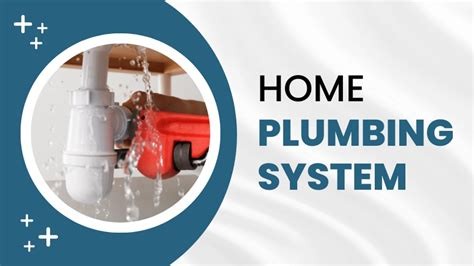
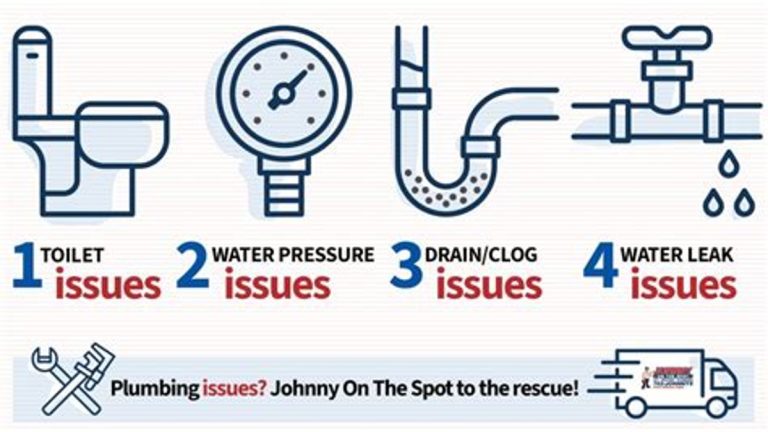
- Leaks: Look for any water stains, damp spots, or puddles under sinks, near water heaters, and around toilets.
- Water pressure: Pay attention if you notice a decrease in water pressure—it can indicate pipe blockages or leaks.
- Corrosion and rust: Examine exposed pipes for signs of rust or corrosion, which may weaken the pipes over time.
- Slow drains: Slow draining water could be a sign of clogging or buildup in the pipes.
- Strange noises: Unusual sounds like banging or gurgling in the pipes should not be ignored.
Preventing Common Plumbing Problems
Taking proactive steps can help avoid many common plumbing issues. Here are some practical ways to prevent problems:
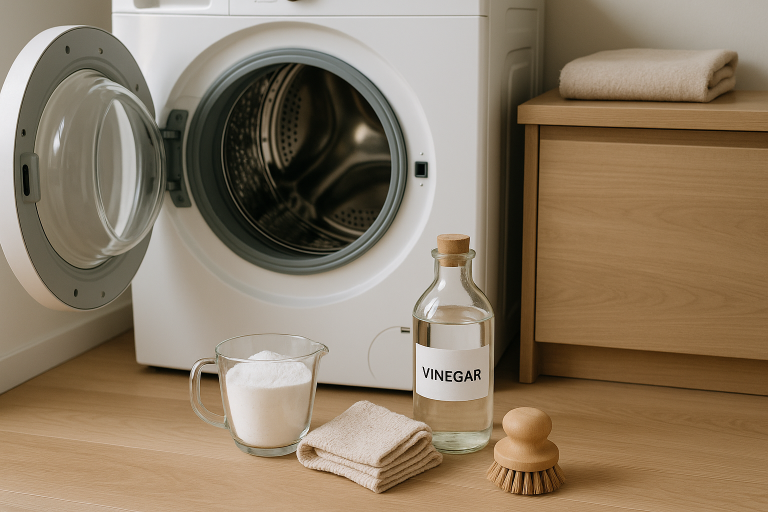
- Avoid chemical drain cleaners: While tempting for fast fixes, harsh chemicals can damage pipes. Instead, use natural solutions like baking soda and vinegar or a plumber’s snake.
- Don’t flush inappropriate items: Avoid flushing anything other than toilet paper, such as wipes, feminine products, or paper towels, which can clog pipes.
- Install drain strainers: These catch hair, food particles, and debris to prevent blockages in sinks and showers.
- Be mindful of water temperature: Avoid setting your water heater too high; temperatures above 120°F can cause pipe damage and scalding risk.
- Check for pipe freezing: In colder months, insulate exposed pipes to prevent freezing, which can cause bursts and leaks.
Maintaining Water Heaters
Your water heater is a critical part of the plumbing system that often goes overlooked. Proper care is vital for efficiency and durability:
- Drain and flush annually: Sediment buildup causes inefficiency and can shorten the heater’s lifespan. Flushing it yearly removes minerals and debris.
- Check the temperature setting: Keep it at or below 120°F to reduce pressure and save energy.
- Inspect the pressure relief valve: This valve prevents excess pressure buildup. Test it regularly to ensure it’s functional.
- Look for leaks: Water pooling around the base of the heater may indicate leaks or corrosion and requires immediate attention.
Know How to Shut Off Your Water Supply
In emergencies like severe leaks or bursts, knowing how to quickly turn off your main water supply can save your home from extensive water damage. Identify the main shutoff valve, usually located near the water meter or where the main water line enters your house, and ensure everyone in your household knows how to operate it.
When to Call in a Professional Plumber
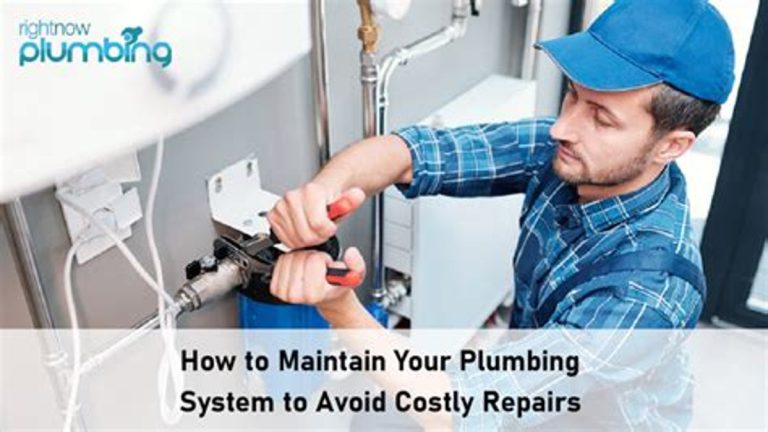
While many plumbing maintenance tasks can be handled by homeowners, certain issues require professional expertise. Do not hesitate to call a licensed plumber if you encounter:
- Persistent leaks or recurring blockages
- Multiple drains clogging at once
- Major pipe corrosion or damage
- Water discoloration or bad odor
- Problems with water pressure that you can’t fix
Trying to fix complex problems without proper tools and knowledge can lead to further damage and increased costs.
Routine Plumbing Maintenance Checklist
To keep your plumbing system in top condition, consider following this periodic maintenance routine:
- Monthly: Check faucets for drips, inspect visible pipes for leaks, clean sink strainers.
- Quarterly: Test shutoff valves to ensure they work properly, flush toilets to check for running water.
- Annually: Drain and flush water heater, inspect sump pump if applicable, schedule a professional plumbing inspection.
Benefits of Proper Plumbing Maintenance
Regularly maintaining your plumbing system comes with many advantages, including:
- Cost savings: Preventative care reduces emergency repair bills and extends the life of your pipes and fixtures.
- Water efficiency: Properly maintained systems use water efficiently, which can lower utility bills.
- Improved safety: Prevent flooding and water damage that can cause structural harm and mold growth.
- Peace of mind: Knowing your plumbing is in good condition allows you to avoid unexpected disruptions.
Conclusion
Maintaining your home’s plumbing system is crucial for ensuring long-lasting performance and avoiding costly repairs. By understanding your system, spotting early warning signs, preventing common issues, and scheduling regular upkeep, you can protect one of your home’s most vital infrastructures. Remember to address any major problems promptly by consulting a professional plumber, and you’ll enjoy reliable water flow and a hassle-free plumbing experience for years to come.