How to Maintain Your Home’s Plumbing System for Long-Lasting Performance
How to Maintain Your Home’s Plumbing System for Long-Lasting Performance
Maintaining your home’s plumbing system is essential to ensure everything runs smoothly and efficiently. A well-maintained plumbing system not only prevents costly repairs but also extends the lifespan of pipes, fixtures, and appliances. Whether you live in an older house or a newly built home, understanding the basics of plumbing maintenance will save you time, stress, and money in the long run.
Why Maintaining Your Plumbing System Matters
Your plumbing system plays a vital role in everyday life, from providing clean water for drinking and cooking to removing wastewater from your home. If neglected, small issues such as leaks or clogs can escalate into significant problems like water damage, mold growth, and structural harm. Regular maintenance helps detect and resolve these issues early, ensuring reliable water flow and preventing emergencies.
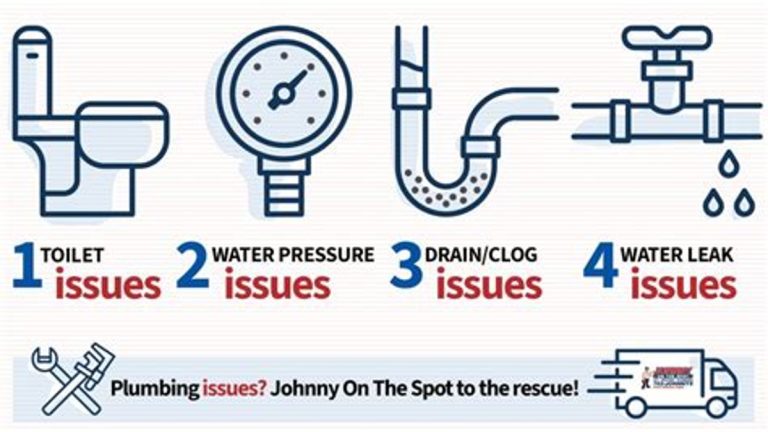
Common Plumbing Problems to Watch For
Before diving into maintenance tips, it’s important to recognize common plumbing issues that often arise:
- Dripping Faucets: Often caused by worn washers or seals, drips waste water and increase utility bills.
- Slow Drains: Typically caused by clogs from grease, hair, or debris, leading to water backups and unpleasant odors.
- Running Toilets: Worn flappers or faulty fill valves can cause toilets to run continuously, wasting water.
- Low Water Pressure: Can result from mineral buildup, leaks, or issues with the municipal water supply.
- Leaky Pipes: May cause water damage if left unaddressed and could indicate corrosion or poor installation.
Essential Tips for Maintaining Your Home’s Plumbing
Taking proactive steps helps prevent plumbing problems and enhances the system’s longevity. Here’s a comprehensive guide on how to keep your home’s plumbing in optimal condition:
1. Inspect for Leaks Regularly
Conduct routine visual inspections around sinks, toilets, water heaters, and exposed pipes. Look for water stains, puddles, or corrosion. A small drip can waste gallons of water daily, so it’s wise to fix leaks promptly. Don’t forget to check under cabinets and around outdoor faucets too.
2. Clean and Maintain Drains
Prevent clogs by avoiding the disposal of grease, coffee grounds, and large food scraps down kitchen sinks. Use drain strainers to catch hair and debris in bathroom drains. For slow drains, consider flushing with hot water and a mixture of baking soda and vinegar monthly to break down buildup safely.
3. Protect Pipes from Freezing
In colder climates, frozen pipes are a major concern. Insulate exposed pipes in basements, attics, and crawl spaces using foam sleeves or pipe wrap. During winter, keep faucets dripping slightly to prevent pressure buildup and pipe bursts.
4. Monitor Water Pressure
High water pressure can strain your plumbing and cause leaks. Use a pressure gauge to check your home’s water pressure. Ideally, it should be between 40 and 60 psi. If it’s too high, consider installing a pressure regulator valve to protect your system.
5. Service Your Water Heater Annually
Your water heater is a critical appliance that deserves regular attention. Flush the tank annually to remove sediment buildup, which can reduce efficiency and damage the heater. Inspect for rust and leaks, and check the pressure relief valve for proper function. If unsure, hire a professional plumber to perform maintenance.
6. Avoid Using Chemical Drain Cleaners
Although chemical drain cleaners are marketed as quick fixes for clogged pipes, they can damage your plumbing system’s pipes and environment over time. Instead, use natural methods like a baking soda and vinegar combination or consult a plumber for stubborn clogs.
7. Know Where Your Main Water Shut-Off Valve Is
In case of emergencies like major leaks or pipe bursts, knowing how to quickly shut off your water supply can minimize damage. Locate your home’s main water shut-off valve (typically found near the water meter or where the main line enters your house) and make sure it operates smoothly. Inform all family members about its location and usage.
8. Install Water-Efficient Fixtures
Consider upgrading to low-flow faucets, showerheads, and toilets designed to conserve water. Water-efficient fixtures reduce strain on your plumbing system and decrease your monthly water bill, contributing to both sustainability and cost savings.
9. Avoid Flushing Non-Flushable Items
Toilets can easily clog if inappropriate items such as wipes, feminine hygiene products, and paper towels are flushed. Proper disposal of these items helps prevent blockages and protects your sewer system.
10. Schedule Professional Plumbing Inspections
Even with diligent DIY maintenance, periodic professional inspections are invaluable. Experienced plumbers can identify hidden issues, perform thorough cleaning, and offer preventative advice. Annual or biannual inspections help catch problems before they worsen.
Additional Preventative Measures
- Avoid pouring grease and oil down drains: Let fats solidify and dispose of them in the trash instead.
- Use water softeners if you have hard water: Hard water accelerates pipe corrosion and mineral deposits.
- Replace old or corroded pipes: Aging plumbing materials are more prone to leaks and breakage.
Conclusion
Maintaining your home’s plumbing system doesn’t have to be complicated or time-consuming. By regularly inspecting your pipes, keeping drains clear, protecting against freezing, managing water pressure, and scheduling professional check-ups, you can ensure consistent performance and avoid costly repairs. A few simple steps and awareness will keep your plumbing system reliable for many years, contributing to a healthier, more comfortable living environment.