How to Reduce Humidity Inside Your Home
Excess humidity inside your home can create an uncomfortable living environment and lead to a variety of problems, including mold growth, musty odors, and even damage to your home’s structure. High humidity levels can also affect your health by worsening allergies and respiratory issues. Fortunately, there are practical steps you can take to reduce humidity and maintain a fresher, healthier indoor atmosphere.
Understanding Indoor Humidity
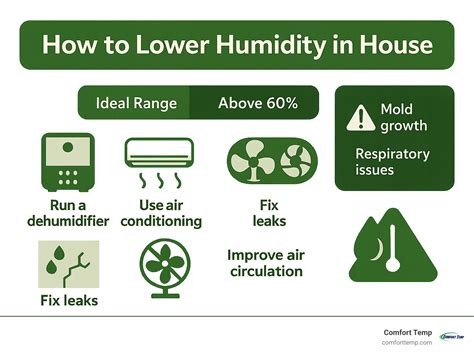
Humidity is the amount of moisture in the air. Ideally, your home’s relative humidity should be between 30% and 50%. When humidity levels rise above this range, it can feel sticky or damp, and it creates the perfect environment for mold and dust mites, which thrive in moist conditions.
Factors that increase indoor humidity include cooking, showering, drying clothes indoors, and poorly ventilated areas such as basements. Weather conditions also play a role; humid climates make it more challenging to control indoor moisture.
Effective Ways to Reduce Humidity in Your Home
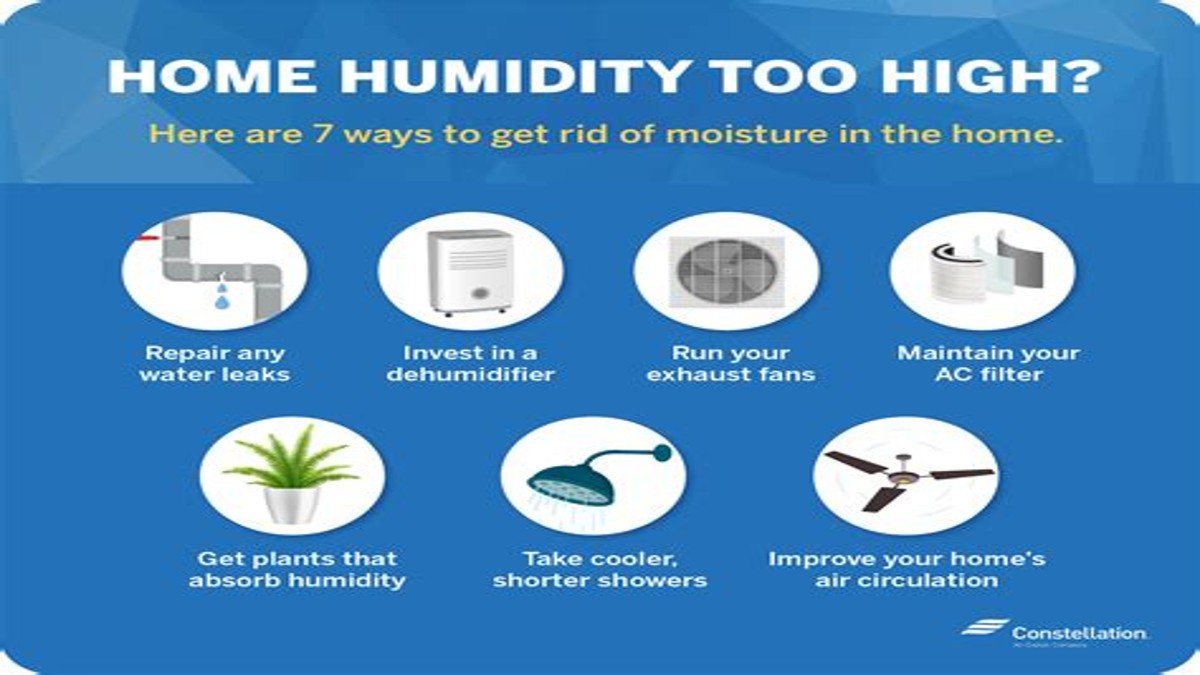
1. Use a Dehumidifier
One of the most effective ways to control indoor humidity is to use a dehumidifier. These appliances work by drawing warm, moist air over refrigerated coils, where the moisture condenses and is collected in a tank or drained away. Dehumidifiers are particularly useful in damp areas like basements or bathrooms.
- Choose a dehumidifier sized appropriately for the room or area you want to treat.
- Empty the water tank regularly or connect it to a continuous drainage system.
- Maintain the unit as per manufacturer instructions to ensure optimal performance.
2. Improve Ventilation
Proper ventilation helps to circulate the air and reduce moisture levels. Here are some ways to enhance airflow in your home:
- Use exhaust fans: Install exhaust fans in high-moisture areas such as kitchens and bathrooms to expel humid air outside.
- Open windows: When weather permits, open windows to allow fresh air to enter and circulate.
- Install vents: Consider adding air vents or trickle vents to rooms to promote air exchange.
3. Fix Leaks and Seal Entry Points
Leaks in plumbing or your home’s exterior can allow water to seep indoors, significantly increasing humidity. Inspect your home for:
- Leaking pipes or faucets
- Cracks in walls or foundations
- Gaps around windows and doors
Repairing these issues promptly helps prevent moisture ingress. Use weatherstripping and caulking to seal windows and doors, and consult a professional if you detect basement or foundation water intrusion.
4. Limit Indoor Moisture Production
Reducing everyday moisture sources can have a big impact on overall humidity:
- Cover pots when cooking: Trap steam instead of letting it escape into the air.
- Use lids on boiling water: This minimizes steam release.
- Dry clothes outside: Drying clothes indoors adds significant moisture; hang laundry outdoors whenever possible.
- Take shorter, cooler showers: Hot water produces more steam.
- Use bathroom fans: Turn on exhaust fans during and after showers to remove humid air quickly.
5. Use Moisture Absorbers
If you have small areas prone to excess moisture, moisture absorbers or desiccants can help. These products contain substances like silica gel or calcium chloride, which attract and trap moisture from the air.
- Place moisture absorbers in closets, cabinets, or other small spaces.
- Replace or recharge them according to product guidelines.
- Combine moisture absorbers with other humidity control methods for best results.
6. Maintain Your HVAC System
Your heating, ventilation, and air conditioning system plays a major role in regulating indoor air quality. Proper maintenance ensures your HVAC can effectively control humidity.
- Change air filters regularly to improve air circulation.
- Consider installing an air conditioner if you do not have one, as AC units help dehumidify as they cool.
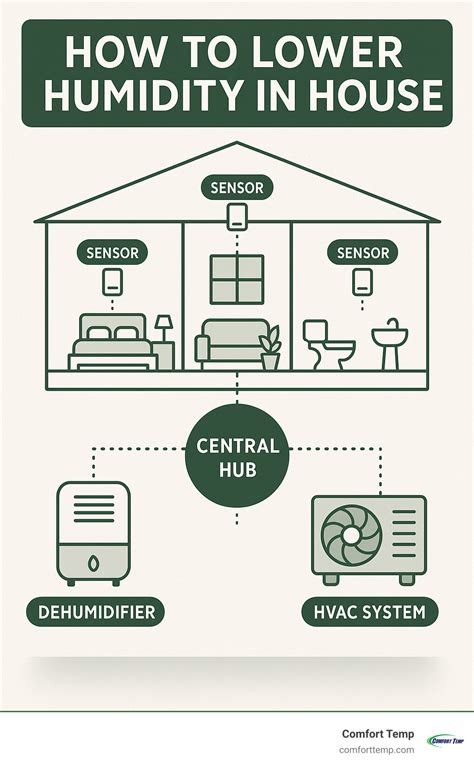
- Use a whole-house humidifier or dehumidifier attached to your HVAC system if needed.
- Schedule routine professional inspections to check for issues affecting moisture control.
7. Utilize Houseplants Wisely
While houseplants can improve air quality, some plants release moisture into the air through transpiration, increasing indoor humidity.
- Choose plants that absorb moisture such as Boston ferns, English ivy, or peace lilies.
- Avoid placing large numbers of water-loving plants in small rooms or areas with humidity problems.
- Monitor indoor humidity levels to ensure plants do not contribute to excess moisture.
Measuring and Monitoring Indoor Humidity
To effectively reduce humidity, you need to first understand the current moisture levels inside your home. A hygrometer is an inexpensive device that measures relative humidity.
- Place hygrometers in different areas such as the basement, bathroom, and main living spaces.
- Check readings regularly to see whether your efforts to reduce humidity are working.
- Adjust strategies based on humidity fluctuations throughout the day and seasons.
Additional Tips for Humidity Control
- Use rugs and carpets sparingly in damp areas as they can trap moisture and encourage mold.
- Insulate cold water pipes to prevent condensation.
- Keep gutters clean and direct water away from your foundation.
- Repair or replace damaged roof shingles to prevent leaks.
- Consider waterproof paint or sealant for basement walls.
Conclusion
Managing humidity inside your home is essential for comfort, health, and preserving your property. By combining practical steps such as using dehumidifiers, improving ventilation, fixing leaks, and minimizing moisture production, you can maintain a balanced and pleasant indoor environment. Regular monitoring with a hygrometer helps you stay ahead of humidity problems, ensuring your home remains dry and inviting all year round.