How to Maintain Your Plumbing System for Long-Lasting Performance
How to Maintain Your Plumbing System for Long-Lasting Performance
Having a well-functioning plumbing system is essential for the comfort and safety of any home. From delivering clean water to removing waste, plumbing plays a critical role in daily life. However, like any other system in your house, plumbing requires routine maintenance to avoid costly repairs and extend its lifespan. In this guide, we’ll explore practical tips and essential maintenance practices that can keep your plumbing system running smoothly for years to come.
Understanding the Basics of Your Plumbing System
Before diving into maintenance tips, it’s helpful to have a basic understanding of how your plumbing system works. The plumbing consists of two subsystems:
- Water supply system: This brings fresh water into your home through pipes connected to the municipal water supply or a private well.
- Drain-waste-vent (DWV) system: This removes wastewater and sewage safely from your home, vents sewer gases, and prevents backflow.
Your home’s plumbing comprises pipes, fixtures (like faucets, toilets, and showers), valves, and appliances such as water heaters. Regular maintenance focuses on keeping all these parts in good condition to prevent leaks, blockages, and other issues.
Signs It’s Time for Plumbing Maintenance
Being proactive about maintenance can save you from emergencies later on. Keep an eye out for these warning signs that indicate your plumbing needs attention:
- Slow drains or frequent clogs: Could suggest buildup or blockages in your pipes.
- Water pressure fluctuations: Sudden changes can point to leaks or pipe damage.
- Unpleasant odors: Foul smells near drains may indicate sewer line problems or trapped debris.
- Water stains or damp spots: Visible leaks often reveal hidden plumbing issues that worsen over time.
- Unusual sounds: Gurgling or banging noises in pipes can be signs of airlocks or blockages.
If you notice any of these, it’s wise to inspect your system or call a plumber for professional advice.
Routine Plumbing Maintenance Tips
Following a regular maintenance schedule can help avoid unexpected plumbing emergencies. Here are some effective ways to maintain your plumbing:
1. Check for Leaks Regularly
Leaks not only waste water but can also cause structural damage and mold growth. Perform visual inspections under sinks, around toilets, and near appliances. Look for dripping taps, puddles, or dampness. To detect hidden leaks, check your water meter before and after a period when no water is used. If the meter changes, a leak may be present.
2. Clean Drains to Prevent Clogging
Slow or clogged drains are common plumbing hassles. Avoid chemical drain cleaners as they can damage pipes. Instead, use a combination of baking soda and vinegar followed by hot water to dissolve grease and debris naturally. Also, use strainers over drains in sinks, showers, and bathtubs to catch hair, food particles, and prevent blockages.
3. Maintain Water Pressure
Too high or low water pressure can stress your plumbing system. Use a pressure gauge to measure water pressure at a faucet. Ideal household water pressure is between 40-60 psi. If the pressure is too high, consider installing a pressure regulator valve to protect pipes and fixtures from damage.
4. Insulate Pipes to Prevent Freezing
In colder climates, pipe insulation is crucial to avoid frozen pipes in winter. Frozen water expands and can cause pipes to burst, leading to costly repairs. Use foam insulation sleeves or wrap pipes with heat tape to keep water flowing smoothly during freezing temperatures.
5. Flush Your Water Heater Annually
Over time, sediment builds up inside your water heater, reducing its efficiency and lifespan. Draining and flushing the tank annually helps remove this sediment, improving heating performance and preventing corrosion. Follow manufacturer guidelines for proper flushing procedures or hire a professional plumber.
6. Test and Maintain Sewer Line Health
Your main sewer line handles all wastewater leaving your home. Blockages or damage can lead to backups and unpleasant odors. Avoid flushing non-degradable items like wipes or feminine products, and never pour grease down the drain. Consider scheduling a sewer line inspection every few years using video camera technology to detect any issues early.
7. Know Where Your Shut-Off Valves Are
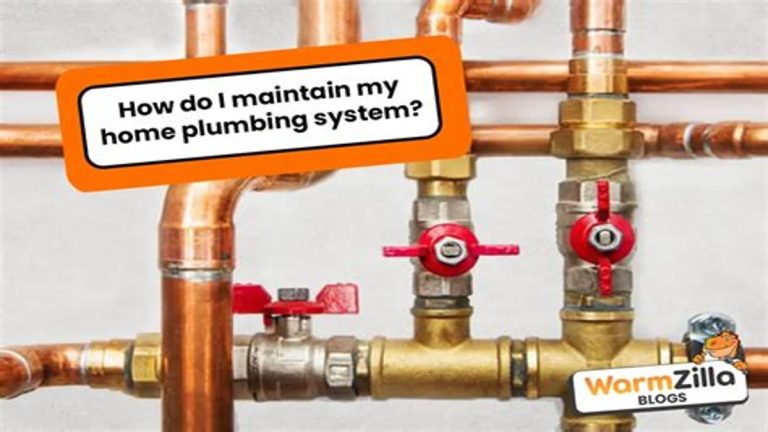
In an emergency, quickly shutting off the water can minimize damage. Locate the main water shut-off valve for your home and ensure it’s functional. Also, learn where individual shut-off valves are for sinks and toilets so you can isolate water flow if necessary.
When to Call a Professional Plumber
While many plumbing maintenance tasks are manageable for homeowners, some situations require experienced professionals. If you face any of the following, it’s best to call a licensed plumber:
- Persistent leaks that you cannot fix
- Major water pressure problems
- Drain blockages that do not clear with DIY methods
- Issues with sewer lines or septic systems
- Water heater failures or strange noises
Professional plumbers have specialized tools and knowledge to diagnose and fix complex problems safely.
Conclusion
Maintaining your plumbing system is an investment in your home’s comfort and value. Regular inspections, simple cleaning routines, and timely repairs can prevent major issues and keep your plumbing functioning efficiently for years. By following the tips shared here and remaining vigilant for signs of trouble, you’ll enjoy uninterrupted water service and peace of mind. Remember, when in doubt, professional plumbing assistance is always a smart choice.