How to Keep Your Home’s Plumbing System Running Smoothly Year-Round
How to Keep Your Home’s Plumbing System Running Smoothly Year-Round
Your home’s plumbing system is one of its most essential components, delivering clean water and disposing of wastewater reliably every day. However, like any complex system, it requires consistent care and maintenance to avoid issues such as leaks, clogs, or costly repairs. By staying proactive and following simple best practices, you can ensure your plumbing remains in excellent condition all year long.
1. Regularly Inspect Pipes and Fixtures
One of the easiest ways to prevent major plumbing problems is through routine inspections. Check visible pipes under sinks, around the water heater, and in the basement or crawl spaces. Look for signs of leaks such as water stains, corrosion, or dampness. Inspect faucets, showerheads, and toilets for drips or running water.
- Fix leaks promptly: Even a small drip can waste gallons of water and increase your utility bills.
- Watch for corrosion: Rust or greenish deposits often indicate pipe deterioration.
Early detection of issues helps avoid more extensive damage to your home and expensive repairs.
2. Keep Drains Clear and Flowing
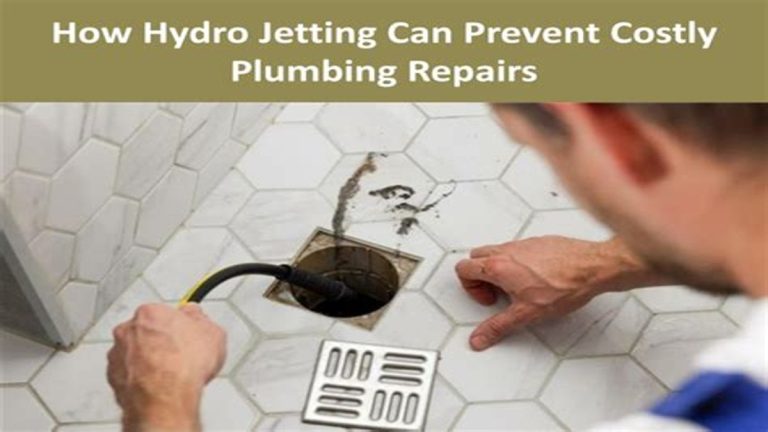
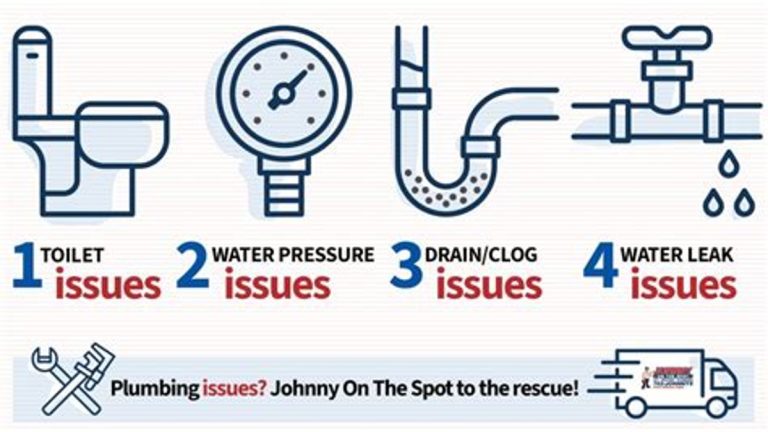
Clogged drains are a common household nuisance but can usually be prevented with proper care. Avoid pouring grease, coffee grounds, or heavy food particles down kitchen drains. In bathrooms, use drain strainers to catch hair and soap residue.
- Regular cleaning: Use a mixture of baking soda and vinegar monthly to naturally break down build-up inside pipes.
- Avoid harsh chemicals: Chemical drain cleaners can erode pipes and should only be used as a last resort.
Maintaining clear drains improves water flow and reduces the likelihood of blockages that can cause backups.
3. Monitor Water Pressure
Water pressure that is too high or too low can affect your plumbing’s efficiency and longevity. Excessive water pressure puts extra strain on pipes and fixtures, leading to leaks or burst pipes. Conversely, low water pressure can be a sign of pipe corrosion or blockages.
- Use a pressure gauge: You can purchase an inexpensive water pressure gauge to check levels regularly.
- Ideal range: Most homes should maintain water pressure between 40 and 60 psi (pounds per square inch).
- Consult a plumber: If pressure is outside the ideal range, consider installing a pressure regulator or investigating pipe condition.
4. Protect Pipes from Freezing
In colder climates, winterizing your plumbing system is critical to prevent frozen or burst pipes. Frozen pipes can cause extensive water damage and expensive repairs.
- Insulate pipes: Use foam pipe sleeves or heat tape around exposed pipes in unheated areas.
- Seal gaps: Check for and seal any holes or cracks near pipes where cold air might enter.
- Drip faucets: During extreme cold, let faucets drip slightly to keep water flowing.
- Shut off outdoor faucets: Disconnect garden hoses and shut off exterior valves before winter.
5. Maintain Your Water Heater
Your water heater is a vital appliance that requires occasional maintenance to function efficiently and extend its lifespan.
- Flush annually: Sediment buildup can reduce heating efficiency and damage your tank.
- Check temperature setting: A setting of 120°F is safe, energy-efficient, and helps prevent scalding.
- Inspect for leaks: Look around the tank base and connections for moisture or corrosion.
If your water heater is more than 8-10 years old or showing signs of trouble, consider consulting a professional for inspection or replacement.
6. Avoid DIY Plumbing Mistakes
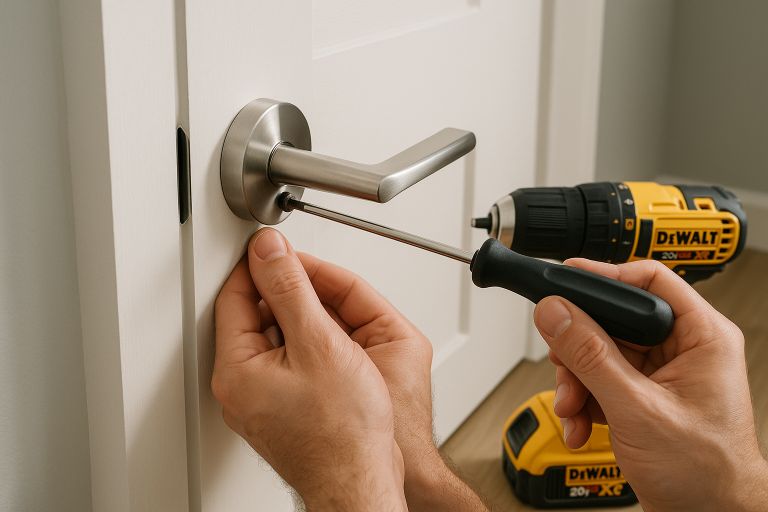
While some plumbing tasks are simple to handle around the house, many require expertise to avoid costly errors. Avoid using excessive force on pipes or fixtures, and don’t attempt major repairs without proper tools or knowledge.
- Know when to call a professional: For persistent leaks, major pipe repairs, or water heater issues, hiring a licensed plumber ensures safe and effective solutions.
- Use the right tools: Simple tools such as plungers, pipe wrenches, and drain snakes can help with minor issues.
- Follow manufacturer guidelines: For appliances and plumbing components, reading installation and maintenance instructions can prevent damage.
7. Be Mindful of What Goes Down the Drain
Prevent plumbing problems by being cautious about what you flush or pour down your drains.
- Never flush: Paper towels, feminine hygiene products, wipes (even “flushable” ones), grease, or cooking oils.
- Dispose properly: Use trash bins for solid waste and compost or grease containers where possible.
- Educate family members: Encourage everyone in your household to follow these practices to protect your plumbing system.
8. Schedule Professional Plumbing Inspections
Even with your best efforts, some plumbing issues require professional attention. Consider scheduling annual or biannual plumbing inspections. A skilled plumber can identify hidden problems, suggest upgrades, and perform preventive maintenance.
- Camera inspections: Modern plumbers use video cameras to inspect inside pipes for blockages or damage.
- Water quality checks: Testing your water supply can detect contaminants that may affect both your health and your plumbing system.
- Verify compliance: Ensure your plumbing meets local codes and safety standards.
Conclusion
Maintaining your home’s plumbing system requires regular attention and simple preventive measures. By inspecting pipes and fixtures, keeping drains clear, monitoring water pressure, protecting against freezing, maintaining your water heater, avoiding DIY mistakes, being cautious about what you flush, and scheduling professional inspections, you can keep your plumbing running smoothly all year round. Investing time in proper maintenance not only saves money but also brings peace of mind, ensuring your home’s plumbing supports your daily life without interruption.