How to Fix Uneven Cabinet Doors
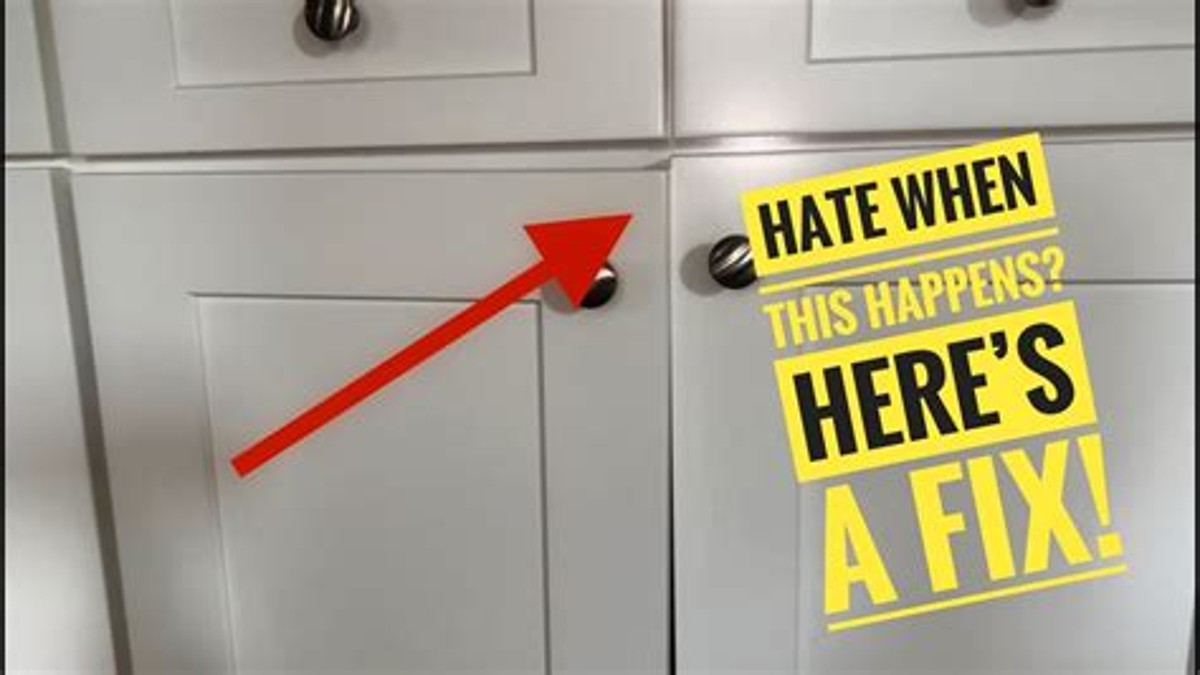
Uneven cabinet doors can be a frustrating problem that not only affects the look of your kitchen or bathroom but also impairs the functionality of your storage spaces. Whether your cabinet doors hang awkwardly, don’t close properly, or have noticeable gaps, fixing them is often easier than you might expect. In this guide, we’ll walk you through the practical steps to diagnose and correct uneven cabinet doors, helping you restore both style and usability to your cabinetry.
Why Do Cabinet Doors Become Uneven?
Understanding the root cause of uneven cabinet doors is the first step toward fixing them. Here are some common reasons your cabinet doors may be misaligned:
- Loose or damaged hinges: Hinges can wear out, become loose, or bend over time, causing the doors to hang unevenly.
- Improper installation: If the doors or hinges were not installed correctly, it often leads to gaps or misalignment.
- Humidity and temperature changes: Wood cabinet doors can expand or contract with changes in humidity or temperature, causing warping or uneven spacing.
- Wear and tear: General use over years can result in sagging or misalignment, especially for older cabinets.
- Hardware issues: Screws that have stripped, hinges that are not securely fastened, or missing parts contribute to unevenness.
What Tools Will You Need?
Before beginning the repair process, make sure you have the right tools on hand. Most fixes can be completed with common household tools:
- Phillips and flathead screwdrivers
- Power drill with screwdriver bits (optional but helpful)
- Wood shims or cardboard (for minor adjustments)
- Replacement screws or hinges if necessary
- Level or measuring tape
- Wood glue (optional)
- Clamps (optional)
Step-by-Step: How to Fix Uneven Cabinet Doors
1. Inspect the Cabinet Doors and Hinges
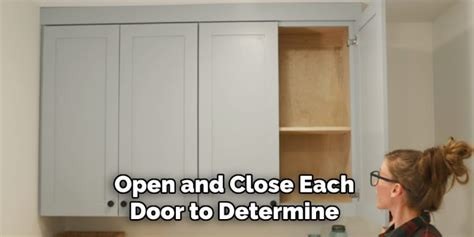
Start by examining the cabinet doors closely. Open and close each door to observe where the unevenness originates. Check for loose screws on the hinges, visible warping in the wood, or hardware that looks damaged. Use a level or measuring tape to measure the gaps between doors and between the doors and the cabinet frame.
2. Tighten Loose Screws
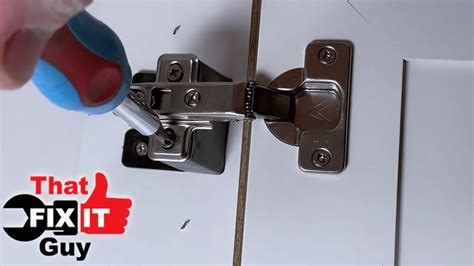
One of the most common reasons for uneven cabinet doors is loose screws. Using a screwdriver or drill, tighten all the screws attaching the hinges to both the cabinet frame and the door. Be careful not to overtighten, as this may strip the screw holes.
If screws are stripped and don’t tighten properly, you can fix this by inserting a wooden toothpick or matchstick coated with wood glue into the hole before reinserting the screw. This fills the gap and creates a tighter grip.
3. Adjust the Hinges
Most cabinet hinges have adjustment screws that let you move doors up or down, left or right, and even alter the depth. Use these to finely tune the door’s position.
- Horizontal adjustment: This moves the door left or right to align it with adjacent doors or the cabinet frame.
- Vertical adjustment: This changes the height of the door, useful if one door hangs lower than another.
- Depth adjustment: Moves the door closer to or farther from the cabinet frame for a flush finish.
Make small adjustments and check the door’s fit each time you turn the screw. Modern European-style hinges usually offer several adjustment options, while older hinges may require loosening screws and physically shifting the door before retightening.
4. Replace Damaged or Worn Hinges
If a hinge is bent, rusted, or broken, it’s best to replace it rather than attempting to repair it. Purchase hinges that match the size and style of the existing ones. Remove the old hinges by unscrewing them from the cabinet and door, then install the new ones in their place. Follow the previous step to adjust the door once the new hinges are installed.
5. Use Shims for Persistent Gaps
Sometimes, even after adjusting and tightening, a slight gap or unevenness remains due to irregularities in the cabinet frame or wall. In such cases, you can insert thin shims behind the hinges to better align the doors.
- Remove the hinge screws on the cabinet side.
- Place a thin shim—usually a small piece of cardboard or a wood shim—behind the hinge.
- Screw the hinge back in, which will push the door slightly outward or inward, depending on shim placement.
This is a subtle fix that can help achieve a level finish where adjustments alone are not enough.
6. Fix Warped or Damaged Doors
If your cabinet doors themselves are warped, the repair depends on the severity:
- Minor warping: Sometimes, removing the door and exposing it to a different environment can help it return to shape. Wood absorbs or releases moisture, improving warping with controlled humidity.
- Severe warping: You may need to replace the door entirely if it no longer fits properly despite adjustments. Custom or ready-made door replacements are often available from cabinet suppliers.
- Cracks or splits: Small cracks can be fixed with wood glue and clamps to hold the repair while it dries.
7. Regular Maintenance to Prevent Future Problems
Maintaining your cabinet doors can prevent unevenness from recurring:
- Regularly check and tighten hinge screws.
- Avoid exposure to excessive moisture and temperature fluctuations.
- Lubricate hinges periodically to prevent stiff or squeaky movement.
- Inspect doors for signs of warping or damage early.
Tips for a Professional Finish
- When adjusting hinges, work on one door at a time for better accuracy.
- Use quality screws that fit properly to avoid stripped holes.
- If installing new hinges, mark screw positions carefully to ensure symmetrical door alignment.
- Consider repainting or refinishing doors after repair to refresh their appearance.
Conclusion
Fixing uneven cabinet doors doesn’t have to be a daunting task. With some basic tools, patience, and the steps outlined above, you can realign your cabinet doors, improve their functionality, and enhance the overall look of your kitchen or bathroom. Regular maintenance will keep your cabinets in top condition, saving you time and money in the long run. Whether your doors need a simple tightening or a complete hinge replacement, these tips will help you tackle the problem confidently.