How to Improve Bathroom Ventilation
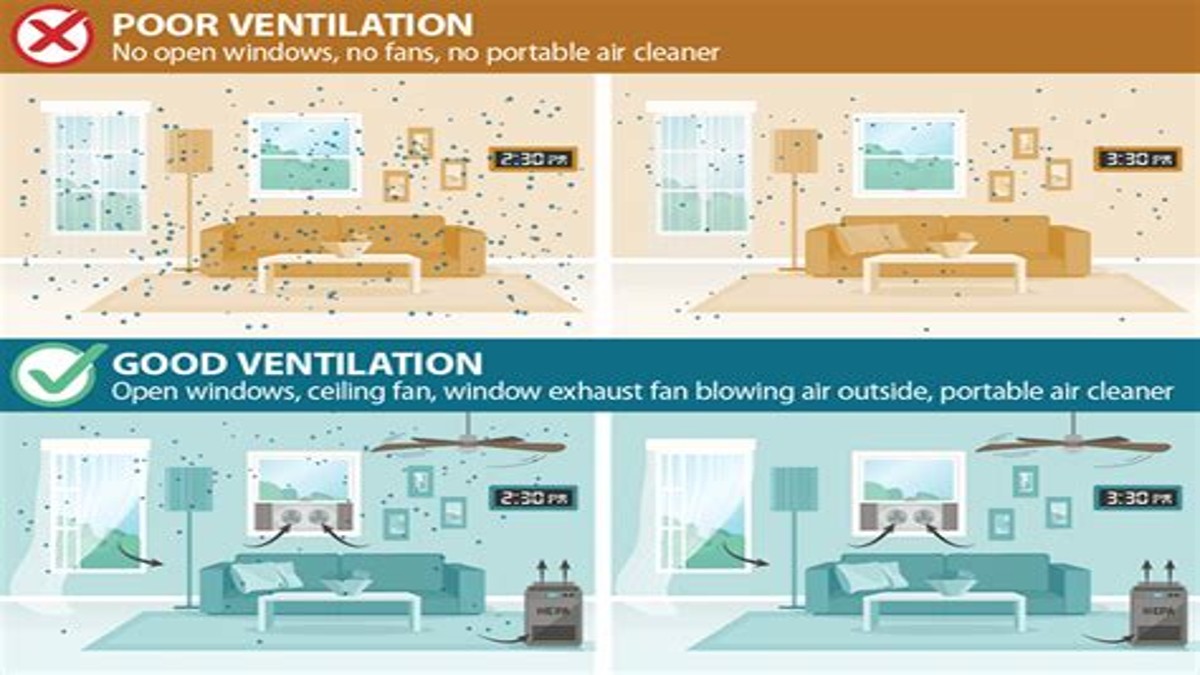
Proper bathroom ventilation is essential for maintaining a healthy and comfortable environment in your home. Bathrooms tend to be humid, which can lead to mold growth, unpleasant odors, and even damage to the building structure over time. Improving bathroom ventilation not only helps to control moisture but also ensures better air quality, making your bathroom a more enjoyable and safer space. In this article, we will explore effective methods and practical tips for improving your bathroom ventilation.
Why Is Bathroom Ventilation Important?
Before diving into ways to enhance bathroom ventilation, it’s essential to understand why good ventilation matters:
- Prevents Mold and Mildew: Bathrooms frequently experience high humidity from showers and baths. Without proper ventilation, moisture builds up, creating the ideal conditions for mold and mildew growth, which can be harmful to your health.
- Reduces Odors: Proper ventilation helps remove unpleasant odors, keeping the space fresh.
- Protects Bathroom Fixtures and Walls: Excess moisture can cause peeling paint, warped wood, and rusting metal fixtures over time.
- Improves Air Quality: Ventilation helps remove airborne contaminants and excess moisture, contributing to overall indoor air quality.
Signs Your Bathroom Needs Better Ventilation
Identifying ventilation problems early can prevent costly damage and health risks. Here are some common signs to look out for:
- Persistent fogged-up mirrors and windows.
- Visible mold or mildew around tiles, ceilings, or walls.
- Musty or stale odors lingering even after cleaning.
- Peeling paint or wallpaper, soft or warped walls.
- Excessive condensation on bathroom surfaces.
Effective Ways to Improve Bathroom Ventilation
Now that you know why ventilation is important and how to recognize ventilation problems, let’s explore practical solutions to enhance it.
1. Install or Upgrade an Exhaust Fan
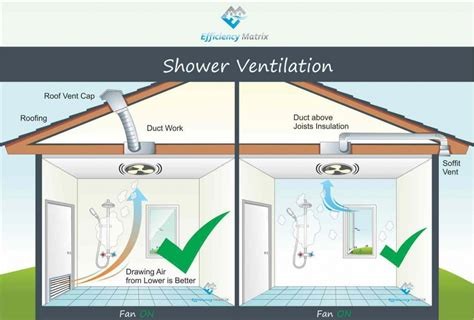
An exhaust fan is one of the most effective ways to improve bathroom ventilation by mechanically removing humid air.
- Choose the Right Size: Exhaust fans are rated by how many cubic feet per minute (CFM) of air they can move. To determine the right size, multiply the bathroom’s square footage by 1 CFM per square foot. For example, a 50 square foot bathroom should have a 50 CFM fan at a minimum.
- Look for Energy-Efficient Models: Modern fans with Energy Star ratings consume less electricity and operate quietly.
- Positioning Matters: Place the fan near the shower or tub where most moisture accumulates for optimal efficiency.
- Ensure Proper Venting: The exhaust fan should vent to the outside of the house, not into the attic or ceiling space, to prevent moisture damage.
2. Keep Doors and Windows Open When Possible
Natural ventilation can be surprisingly effective if your bathroom has a window:
- Open Windows During or After Showers: This helps air circulate and moisture escape, reducing humidity.
- Use Door Vents: If your bathroom doesn’t have a window, ensuring that air can flow under the door or installing a vented door can help improve air circulation.
3. Use a Dehumidifier
In bathrooms with limited airflow or no windows, a portable dehumidifier can help remove excess moisture from the air.
- Choose Compact, Bathroom-Specific Models: These are designed to operate efficiently in smaller, humid spaces.
- Empty the Water Reservoir Regularly: To ensure continuous moisture removal, maintain drainage properly.
- Set Appropriate Humidity Levels: Aim for indoor humidity between 30% and 50% to prevent mold growth.
4. Improve Air Circulation with Ceiling or Wall Fans
If your bathroom is spacious or adjoins other rooms, consider adding ceiling fans or wall fans to keep air moving, which helps reduce moisture accumulation.
- Ceiling Fans: A low-speed ceiling fan can help supplement ventilation by pushing moist air toward exhaust vents or windows.
- Wall Fans: Similar to exhaust fans, but can be positioned to facilitate cross ventilation if windows are present.
5. Regular Maintenance of Ventilation Systems
Even the best ventilation systems require care:
- Clean and Inspect Exhaust Fans: Dust and grease buildup can lower fan efficiency. Clean the grille and fan blades regularly.
- Check Vents for Blockages: Leaves, bird nests, or construction debris can clog outdoor vent covers.
- Ensure Ducting Is Properly Sealed: Leaky ducts reduce the fan’s effectiveness and allow moisture to escape into attics or walls.
6. Use Moisture-Resistant Paint and Materials
While this doesn’t improve ventilation directly, using moisture-resistant or mold-inhibiting paint on walls and ceilings can add an extra layer of protection against moisture damage.
- Choose Paints with Mildew-Resistant Additives: These help prevent mold growth on surfaces exposed to moisture.
- Use Tile or Waterproof Wall Panels: These materials are easier to clean and less prone to moisture problems.
7. Optimize Shower Curtain and Door Placement
Small things can also impact ventilation efficiency:
- Keep Shower Curtains Inside the Bathtub: This limits water splashes and moisture spreading outside the immediate shower area.
- Use Glass Shower Doors Carefully: Make sure doors seal properly but also allow room for any moisture to escape or dry out.
Additional Tips for Maintaining Bathroom Air Quality
- Turn on Your Exhaust Fan During and After Using the Bathroom: Leaving the fan running for 20-30 minutes post-shower aids in moisture removal.
- Wipe Down Wet Surfaces: Quickly drying wet tiles, counters, and mirrors can reduce moisture buildup.
- Use Plants that Absorb Humidity: Certain plants like Boston ferns and peace lilies can help absorb humidity naturally.
When to Call a Professional
If you’ve tried the above measures but still experience persistent moisture problems, it may be time to consult a professional. An HVAC technician or home inspector can:
- Assess whether your exhaust fan or ventilation system is adequate.
- Identify hidden leaks or mold infestations.
- Recommend upgrading your home’s ventilation system or adding ductwork.
Conclusion
Improving bathroom ventilation is key to staying mold-free and maintaining a fresh, healthy environment. Whether by installing a new exhaust fan, opening windows, using dehumidifiers, or simply maintaining existing systems, there are many practical steps you can take to enhance airflow and reduce moisture. Paying attention to ventilation not only protects your bathroom’s fixtures and finishes but also contributes to your family’s well-being. Start with simple changes today and enjoy a fresher, dryer bathroom tomorrow.