How to Maintain Your Home’s Plumbing System for Long-Lasting Performance
How to Maintain Your Home’s Plumbing System for Long-Lasting Performance
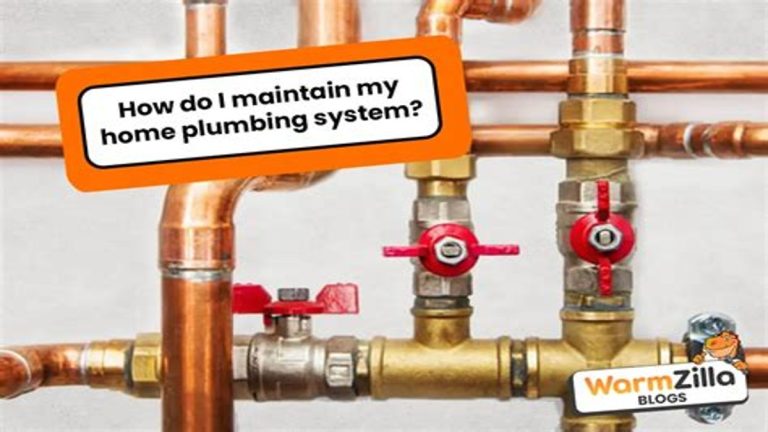
Maintaining your home’s plumbing system is essential to ensure it operates efficiently and lasts for many years. Neglecting plumbing maintenance can lead to costly repairs, water damage, and inconvenience. Fortunately, a few simple steps can help you avoid these problems and keep your plumbing in top shape. In this guide, we will walk you through practical and effective ways to maintain your home’s plumbing system for long-lasting performance.
Regularly Inspect Pipes and Fixtures
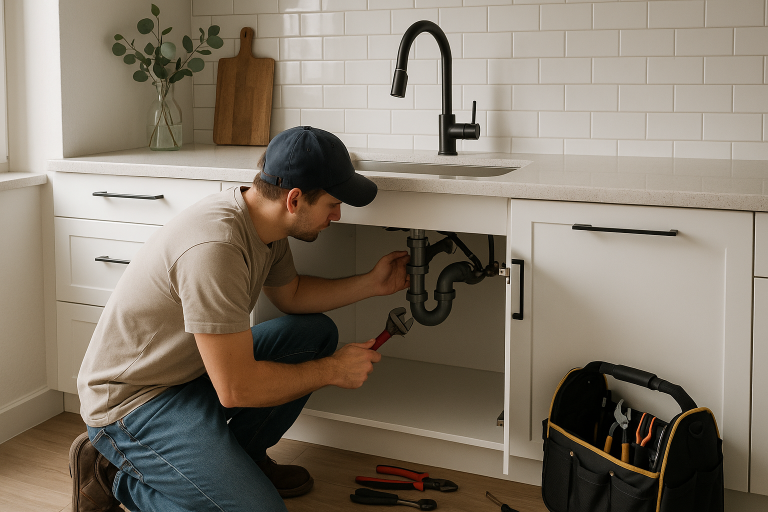
One of the easiest ways to prevent plumbing issues is to regularly inspect your pipes and fixtures. Check under sinks, around toilets, and in basements or crawl spaces for any signs of leaks or moisture. Even small drips can waste a significant amount of water over time and may indicate a bigger problem.
- Look for corrosion or rust: This can weaken pipes and cause leaks.
- Watch for water stains or mold: These often signal hidden leaks.
- Check faucet handles and toilet flappers: Worn parts may need replacement to maintain efficiency.
Early detection helps you address minor problems before they escalate.
Keep Drains Clear and Clean
Clogged drains are a common household plumbing issue, often caused by hair, grease, food particles, and soap scum buildup. Preventing blockages involves more than just using a plunger.
- Use drain screens: Installing screens or strainers in sinks and tubs catches debris and prevents it from going down the drain.
- Avoid pouring grease down the drain: Grease solidifies as it cools and can clog pipes. Instead, dispose of it in the trash.
- Flush drains with hot water: Pouring hot water down the drains weekly can help dissolve grease and keep pipes clear.
- Use natural drain cleaners: Avoid harsh chemicals. Instead, use baking soda and vinegar mixtures periodically to clean drains safely.
These simple habits can help maintain smooth drainage and prevent costly plumber visits.
Monitor Water Pressure
Excessively high water pressure can strain your plumbing system, causing leaks and premature pipe wear. Conversely, low pressure might indicate blockages or pipe damage.
- Test water pressure: Use a pressure gauge adapter on a faucet to measure your home’s water pressure. Ideal residential water pressure ranges between 40 and 60 psi.
- Install a pressure regulator: If your water pressure is regularly above 60 psi, consider installing a pressure-reducing valve to protect your pipes and appliances.
- Address sudden changes in pressure: If you notice fluctuations, it might be a sign of a leak or system issue that requires professional attention.
Maintain Your Water Heater
Your water heater plays a vital role in your plumbing system, and keeping it well-maintained ensures consistent performance and energy efficiency.
- Flush the tank annually: Sediment buildup reduces efficiency and can shorten the unit’s lifespan. Draining and flushing your water heater helps remove these deposits.
- Check the anode rod: This rod prevents corrosion inside the tank. Inspect it every few years and replace if necessary.
- Set the temperature: Keep the thermostat set at 120°F (49°C) to prevent scalding and save energy.
- Test the pressure relief valve: This safety feature should be checked regularly to ensure it functions properly.
Prevent Frozen Pipes in Cold Weather
Frozen pipes are a serious winter problem that can cause pipe bursts and extensive water damage. Taking preventative steps before temperatures drop can save homeowners a lot of trouble.
- Insulate exposed pipes: Use foam pipe insulation or heat tape, especially in unheated areas like basements, attics, and crawl spaces.
- Seal leaks and drafts: Use caulk or insulation to close gaps around doors, windows, and where pipes enter walls.
- Keep a slow drip: During extreme cold, allow faucets to drip slightly to keep water moving and reduce freezing risk.
- Open cabinet doors: This helps warm air circulate around pipes under sinks.
Address Leaks Promptly
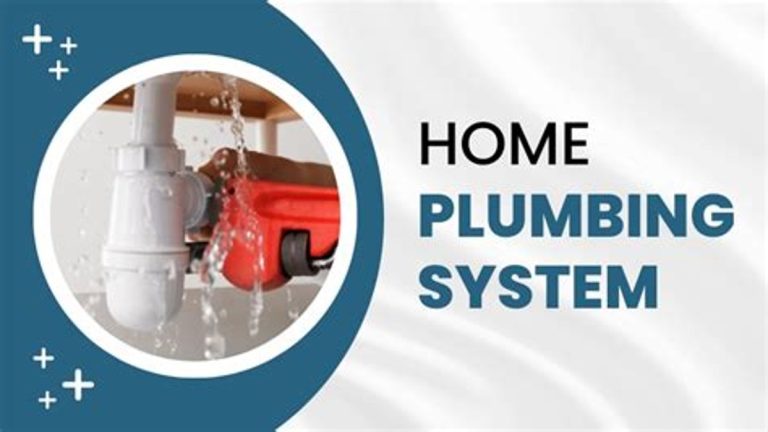
Ignoring leaks can lead to water damage, mold growth, and higher water bills. Whether it’s a dripping faucet, running toilet, or a leak under the sink, it’s crucial to fix these problems quickly.
- Replace worn washers and seals: Many leaks result from worn-out parts that can be replaced easily.
- Use plumber’s tape: For threaded connections, applying plumber’s tape can create a watertight seal.
- Contact a professional plumber: For persistent or hidden leaks, professional diagnostic tools can identify and repair issues safely.
Schedule Professional Plumbing Inspections
Periodic professional inspections can uncover hidden plumbing problems before they cause damage. A licensed plumber can perform comprehensive checks of your system, including sewer lines, sump pumps, and water pressure systems.
- Frequency: Consider a full inspection every 2-3 years, or sooner if your home is older or experiencing issues.
- Benefits: Professionals can detect early signs of wear, corrosion, and leaks, recommend maintenance, and prevent emergencies.
Conclusion
Maintaining your home’s plumbing system is not only about preventing disasters but also about ensuring comfort and efficiency in your daily life. Regular inspections, proper drain maintenance, monitoring water pressure, caring for your water heater, and protecting pipes from freezing are key steps to achieve long-lasting plumbing performance. Remember, timely repairs and professional assessments can save you money and stress in the long run. By staying proactive, you can enjoy a reliable and trouble-free plumbing system for years to come.