How to Maintain Your Home’s Plumbing System for Long-Lasting Performance
How to Maintain Your Home’s Plumbing System for Long-Lasting Performance
Maintaining your home’s plumbing system is essential to ensure it remains efficient, leak-free, and capable of handling your daily water needs without interruption. Plumbing issues can lead to costly repairs and inconveniences, but with a few simple maintenance steps, you can extend the life of your plumbing and prevent common problems. In this article, we’ll walk you through practical tips and strategies to keep your home’s plumbing system in top shape for years to come.
1. Regular Inspections to Catch Problems Early
One of the best ways to maintain your plumbing system is to inspect it regularly. Early detection of leaks, corrosion, or blockages can save you a lot of trouble and money down the road. Here are some points to keep in mind during your inspections:
- Check under sinks and around toilets: Look for any signs of water pooling, dampness, or discoloration which might indicate leaks.
- Look for corrosion or rust: Pipes, fittings, and fixtures should be inspected for any signs of corrosion, as this can weaken your plumbing and cause leaks.
- Listen for unusual noises: Pipes that make banging or clanging sounds could signal loose fittings or water hammer – a problem that should be addressed promptly.
- Monitor water pressure: Fluctuating or low water pressure can be a sign of clogs or other issues within your system.
2. Prevent Drain Clogs with Proper Usage
Drain clogs are among the most common plumbing problems homeowners face. Preventing them requires mindful daily habits to keep debris from accumulating in your pipes.
- Avoid pouring grease or oil down the sink: Fat solidifies in pipes and causes blockages over time.
- Use drain strainers: These catch hair, food particles, and other debris before they enter the drain.
- Flush drains with hot water weekly: Running hot water clears away minor build-ups and keeps your drains flowing smoothly.
- Avoid flushing inappropriate items: Items like sanitary products, wipes, or paper towels don’t dissolve properly and can clog pipes.
3. Maintain Your Water Heater for Efficiency
Your water heater plays a crucial role in your home’s plumbing system. Proper maintenance ensures it operates efficiently and lasts longer.
- Flush the tank annually: Sediment buildup inside the tank reduces heating efficiency and can damage your water heater.
- Check the pressure relief valve: This safety feature should be tested regularly to ensure it functions correctly.
- Insulate the tank and pipes: Adding insulation reduces heat loss and can lower your energy bills.
- Set the temperature appropriately: Keep the thermostat at around 120 degrees Fahrenheit to prevent scalding and save energy.
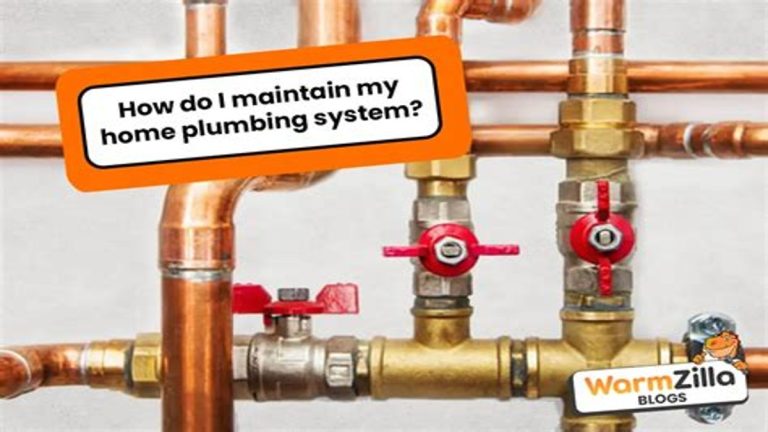
4. Know How to Shut Off Your Water Supply
Every homeowner should be familiar with their main water shut-off valve. In case of a leak or emergency, quickly turning off the water can minimize damage.
- Locate your main shut-off valve: It’s usually found near the water meter or where the water line enters your home.
- Test the valve periodically: Turn it off and on to ensure it works smoothly and doesn’t get stuck.
- Educate your family members: Make sure everyone knows how to shut off the water in an emergency.
5. Insulate Pipes to Prevent Freezing
During colder months, frozen pipes can burst, causing extensive damage and expensive repairs. Protect your plumbing system by preventing pipes from freezing.
- Insulate exposed pipes: Use foam pipe insulation sleeves or heat tape on pipes in unheated areas like basements, attics, and crawl spaces.
- Seal cracks and leaks: Prevent cold air from reaching pipes by sealing openings near walls, ceilings, and floors.
- Keep indoor temperatures consistent: Maintain a steady temperature throughout your home, especially during cold snaps.
- Allow faucets to drip: During extreme cold, letting faucets drip prevents pressure build-up that can lead to bursting.
6. Address Leaks Promptly
Small leaks can waste significant amounts of water and increase your utility bills. More importantly, ongoing leaks can cause water damage and promote mold growth. It’s crucial to repair leaks as soon as they’re spotted.
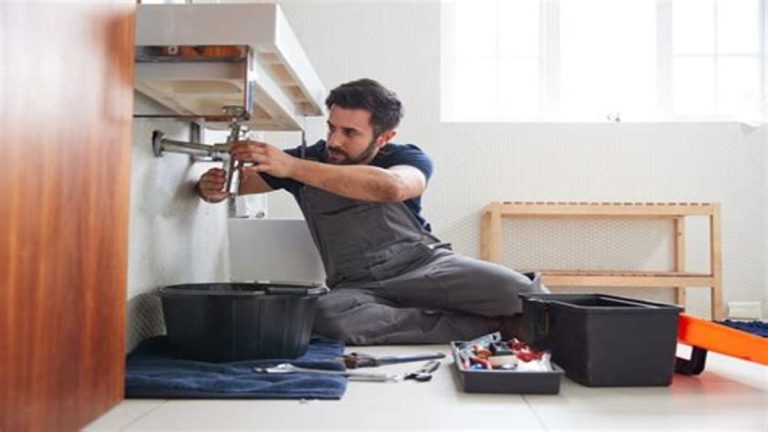
- Tighten loose fittings: Sometimes, simple tightening of connections can stop leaks.
- Replace damaged washers or seals: These are often the cause of drips and leaks around faucets.
- Call a professional plumber: For persistent leaks or those involving pipes inside walls, expert help ensures proper repairs.
7. Use Water Softeners to Reduce Hard Water Damage
If your home has hard water, it can lead to mineral buildup inside pipes, reducing flow and damaging fixtures over time. Installing and maintaining a water softener can help alleviate these problems.
- Regularly add salt to the softener: Salt is necessary for the ion-exchange process that softens hard water.
- Clean the brine tank: Sediment can accumulate here, affecting performance.
- Schedule professional servicing: Periodic checks keep your water softener working efficiently.
8. Upgrade Old Pipes and Fixtures
Over time, outdated plumbing materials like galvanized steel or cast iron pipes can corrode, leading to leaks and reduced water flow. Consider upgrading to modern materials such as copper or PEX piping.
- Consult with a plumber about pipe replacement: If your home is older, an expert can assess the condition of your pipes and recommend replacements.
- Replace worn fixtures: Faucet aerators, showerheads, and valves can degrade and cause inefficiencies or leaks.
- Take advantage of water-efficient products: Upgrading to low-flow fixtures can save water and reduce utility bills.
9. Avoid Chemical Drain Cleaners
While tempting for quick fixes, chemical drain cleaners can damage your pipes, especially if used repeatedly. Instead, try safer alternatives to clear clogs and keep drains clean.
- Use a plunger or plumber’s snake: These mechanical tools can clear most blockages effectively.
- Use natural drain cleaners: Baking soda with vinegar followed by hot water is a gentle and eco-friendly solution.
- Schedule regular professional drain cleaning: Pros can clean pipes thoroughly without harsh chemicals.
Conclusion
Maintaining your home’s plumbing system doesn’t have to be complicated or overwhelming. By routinely inspecting your pipes, preventing clogs, protecting against freezing, and addressing issues promptly, you can keep your plumbing running smoothly and extend its lifespan. Remember, a little effort today can prevent costly repairs tomorrow, so take a proactive approach to your plumbing care and enjoy a comfortable, worry-free home.