How to Remove Grease Buildup from Kitchen Pipes
Grease buildup in kitchen pipes is a common problem that can lead to slow drainage, unpleasant odors, and even costly plumbing issues if left untreated. Cooking oils, fats, and food scraps washed down the sink gradually solidify inside the pipes, creating clogs that disrupt water flow. Fortunately, there are effective and practical methods to remove grease buildup and keep your kitchen plumbing running smoothly.
Why Does Grease Buildup Happen?
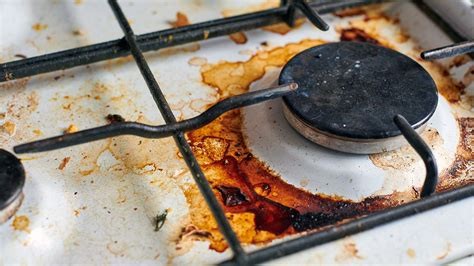
Understanding the cause of grease buildup is the first step in preventing and dealing with it. When you wash greasy dishes or pour used cooking oil down the drain, the fats stick to the interior walls of the pipes. As they cool, these oils harden and trap food particles and debris. Over time, this creates thick, sticky layers that narrow the pipe’s diameter, causing slow drainage or complete blockage.
Common Sources of Grease in Kitchen Pipes
- Cooking oil and fats (vegetable oil, butter, lard)
- Food scraps mixed with grease
- Residue from greasy pots and pans
- Fatty sauces and dressings
Signs of Grease Buildup in Your Kitchen Pipes
Not all grease buildup is immediately obvious. However, there are clear signs to watch out for that indicate it’s time to take action.
- Slow draining water: Water takes longer than usual to drain from sinks.
- Gurgling sounds: Strange noises coming from pipes when water drains.
- Foul odors: Bad smells emanating from the sink drain.
- Frequent clogs: Recurring blockages requiring plunging or snaking.
Effective Methods to Remove Grease Buildup
When dealing with grease buildup, you have several options ranging from natural remedies to commercial products and professional help.
1. Boiling Water Flush
One of the simplest and most immediate ways to tackle grease buildup is using boiling water.
- Boil a kettle or large pot of water.
- Carefully pour the boiling water down the kitchen drain in stages.
- The hot water melts the grease and washes it away through the pipes.
This method is best for fresh or minor grease buildup but may need to be repeated regularly as maintenance.
2. Baking Soda and Vinegar Solution
This natural cleaning duo is a popular and environmentally friendly way to break down grease and clear drains.
- Pour half a cup of baking soda down the drain.
- Follow with half a cup of white vinegar.
- Allow the mixture to fizz and work for 15-30 minutes.
- Rinse with boiling water to flush the loosened grease away.
This reaction helps break apart grease buildup and deodorizes your pipes at the same time.
3. Dish Soap and Hot Water Method
Using grease-cutting dish soap combined with hot water can help dissolve greasy residues.
- Fill a large container with very hot water.
- Add a generous amount of grease-fighting dish soap.
- Pour the soapy water down the drain slowly.
- Repeat daily if necessary to gradually clear the pipes.
This method is safe for all plumbing systems and helps prevent new grease buildup.
4. Use a Plunger or Drain Snake
If grease buildup has caused a clog that boiling water and natural cleaners can’t clear, mechanical methods can help.
- Plunger: Place a sink plunger over the drain and pump vigorously to loosen blockages.
- Drain Snake: Insert a drain snake or auger into the pipe and twist to break up and pull out the grease clog.
These tools can physically remove grease and food debris impeding water flow.
5. Commercial Grease Removers
For stubborn grease deposits, commercially available enzymatic or chemical drain cleaners designed to target grease can be effective. When using these products:
- Follow all manufacturer instructions carefully.
- Use gloves and ensure proper ventilation.
- Avoid mixing different chemical cleaners.
- Choose eco-friendly options when possible to reduce environmental impact.
6. Professional Plumbing Services
If all else fails or if you notice severe blockages, strange noises, or leaks, contacting a licensed plumber is the safest course of action. Professionals have specialized tools like hydro-jetting equipment that can thoroughly clean pipes and restore their function.
Preventing Grease Buildup in Kitchen Pipes
Prevention is easier than cure. To avoid grease buildup, adopt these household habits:
- Never pour grease down the drain: Collect cooking oils and fats in a container for proper disposal or recycling.
- Use sink strainers: Catch food scraps and prevent debris from entering the drain.
- Regularly flush drains: Use hot water or a baking soda-vinegar treatment weekly to keep pipes clear.
- Avoid excessive use of chemical drain cleaners: They can damage plumbing and harm the environment.
- Scrape plates before washing: Remove excess grease and food scraps instead of rinsing them down the sink.
DIY Homemade Grease Trap
If you frequently cook with grease, consider installing a grease trap or interceptor below your sink. These devices capture fats and oils before they enter the drainage system, making cleaning much easier and preventing costly plumbing repairs.
When to Call a Professional
While many grease buildup problems can be managed with the methods above, certain situations require professional intervention:
- Persistent or recurring clogs despite home treatments.
- Unpleasant sewer odors that linger after cleaning.
- Slow draining accompanied by water backups.
- Visible leaks or damage to plumbing fixtures.
A plumber can diagnose underlying issues and provide long-lasting solutions.
Conclusion
Grease buildup in kitchen pipes is a nuisance that can eventually cause serious plumbing problems, but it can be effectively managed with regular maintenance and proper disposal habits. Simple measures like flushing with boiling water, using baking soda and vinegar, and avoiding rinsing fats down the sink go a long way. For tough clogs, mechanical cleaning or professional services may be needed. By understanding how grease accumulates and taking proactive steps, you can maintain a healthy kitchen drainage system and prevent costly repairs.
Save on Pinterest