How to Remove Soap Scum from Bathrooms
Soap scum is a common nuisance in bathrooms and can make your shower, bathtub, and sink look dull and dirty. It forms when soap residue combines with minerals from hard water, creating a filmy buildup on surfaces. Removing soap scum can be challenging if you don’t know the right methods or products to use. In this guide, we’ll walk you through effective ways to remove soap scum and restore the shine to your bathroom fixtures.
What Causes Soap Scum?
Understanding what causes soap scum helps in tackling it more effectively. Soap scum is primarily caused by the chemical reaction between soap and the calcium and magnesium minerals found in hard water. When these minerals mix with soap, they create a tough, chalky buildup that sticks to surfaces.
- Soap residue: Traditional bar soaps contain fatty acids that react with minerals.
- Hard water: Water with high mineral content encourages soap scum formation.
- Infrequent cleaning: Allowing soap scum to remain for long periods makes it more difficult to remove.
Signs You Have Soap Scum
Before diving into removal methods, it’s good to recognize soap scum in your bathroom. Key signs include:
- Dull, cloudy appearance on glass shower doors or tiles
- Chalky or filmy residue on bathtubs and sinks
- Slippery or greasy-feeling surfaces after cleaning with soap
- Hard-to-remove white or grayish patches on fixtures
Materials Needed to Remove Soap Scum
For most soap scum removal processes, you’ll find that everyday household items are highly effective. Gather the following materials:
- White vinegar
- Baking soda
- Lemon juice
- A non-abrasive sponge or cloth
- A spray bottle
- Old toothbrush or small scrubbing brush
- Warm water
- Gloves (optional, for sensitive skin)
- Commercial soap scum remover (optional)
Step-by-Step Guide to Remove Soap Scum Naturally
1. Vinegar Spray Method
White vinegar is acidic and excellent for dissolving soap scum.
- Mix equal parts white vinegar and warm water in a spray bottle.
- Spray the solution generously over the soap scum-covered surfaces.
- Let it sit for 10-15 minutes to break down the residue.
- Use a non-abrasive sponge or cloth to scrub the surface gently.
- Rinse thoroughly with warm water.
- Repeat if necessary for stubborn areas.
2. Baking Soda Paste
Baking soda provides gentle abrasion and helps lift soap scum without scratching surfaces.
- Make a paste by mixing baking soda with a small amount of water.
- Apply the paste onto the soap scum build-up.
- Use a sponge or brush to gently scrub the area in circular motions.
- Allow it to sit for 10 minutes for tougher stains.
- Rinse well with warm water.
3. Lemon Juice Treatment
The natural acidity of lemon juice cuts through soap scum and leaves a pleasant fresh scent.
- Apply lemon juice directly onto the affected area.
- Let it sit for 10-15 minutes.
- Scrub with a brush or sponge.
- Rinse thoroughly with warm water.
This method works particularly well on glass surfaces and faucets. Note: avoid lemon juice on natural stone as the acid can etch the surface.
Using Commercial Cleaners for Soap Scum Removal
If natural remedies don’t fully remove soap scum, you can try commercial products designed specifically for this task. When choosing a cleaner, look for:
- Formulations targeting soap scum or hard water stains
- Non-abrasive formulas safe for your bathroom surfaces
- Eco-friendly or biodegradable options if preferred
How to use commercial cleaners:
- Apply the product according to the instructions on the label.
- Allow it to sit for the recommended time to dissolve soap scum.
- Scrub the area gently using the provided applicator or a sponge.
- Thoroughly rinse to remove any chemical residues.
Preventing Soap Scum Buildup
Prevention is always easier than removal. Follow these tips to minimize soap scum in your bathroom:
- Use liquid soap or shower gels: These products typically cause less soap scum than bar soaps.
- Dry surfaces after use: Use a squeegee or towel to wipe down shower walls, doors, and tubs after each use.
- Install a water softener: Reducing the minerals in hard water can prevent soap scum formation.
- Ventilate the bathroom: Proper airflow reduces moisture, discouraging buildup.
- Clean regularly: Routine cleaning prevents soap scum from hardening and becoming tough to remove.
Special Tips for Different Surfaces
Glass Shower Doors
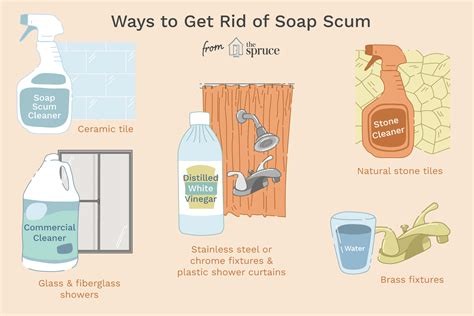
Use the vinegar spray method regularly to keep glass doors spotless. Avoid abrasive scrubbers that can scratch glass.
Tile and Grout
Apply baking soda paste to grout lines and scrub with a toothbrush for effective cleaning. Rinse well to avoid residue.
Bathtubs and Sinks
Lemon juice and vinegar solutions work great on acrylic or enamel surfaces, but always test in a small, inconspicuous area first.
Chrome Fixtures
Wipe with a cloth dampened in vinegar to remove soap scum without damaging the finish. Avoid harsh cleaners that can dull chrome.
When to Call a Professional
In rare cases, soap scum buildup may be so extensive or stubborn that professional cleaning is needed. Professionals have specialized tools and stronger cleaning solutions to restore fixtures without damage.
If your bathroom surfaces suffer from discoloration or damage after repeated soap scum exposure, consult a cleaning expert or contractor to evaluate the best course of action.
Conclusion
Removing soap scum doesn’t have to be a frustrating chore. With simple ingredients like vinegar, baking soda, and lemon juice, you can effectively eliminate soap scum from most bathroom surfaces. Regular cleaning and preventative measures ensure your bathroom stays clean and sparkling. Remember to use gentle scrubbing tools, follow product instructions, and protect delicate surfaces to keep your bathroom looking fresh and inviting.