How to Remove Carpet Stains Effectively
Carpet stains are a common household challenge, whether caused by accidental spills, muddy shoes, or curious pets. Removing these stains quickly and effectively can extend the life of your carpet and keep your home looking fresh and clean. In this guide, we will explore practical and easy-to-follow methods for removing various types of carpet stains, tips to prevent damage, and advice on maintaining your carpet’s appearance over time.
Understanding Carpet Stains
Not all carpet stains are the same. The type of stain often determines the best cleaning approach. Some stains are water-soluble, such as coffee or juice, while others like oil or ink require different techniques. Knowing the nature of the stain can help you act quickly and choose the right cleaning method.
Common Types of Carpet Stains
- Food and Beverage: Coffee, wine, juice, ketchup, and chocolate.
- Pet Stains: Urine, feces, vomit.
- Oil-based Stains: Grease, makeup, lotion.
- Ink and Dye: Pen marks, markers, paint.
- Dirt and Mud: Soil tracked indoors.
Each stain requires different care to ensure it is removed without causing damage to the carpet fibers.
General Tips Before You Start
- Act Quickly: The sooner you address a stain, the easier it will be to remove.
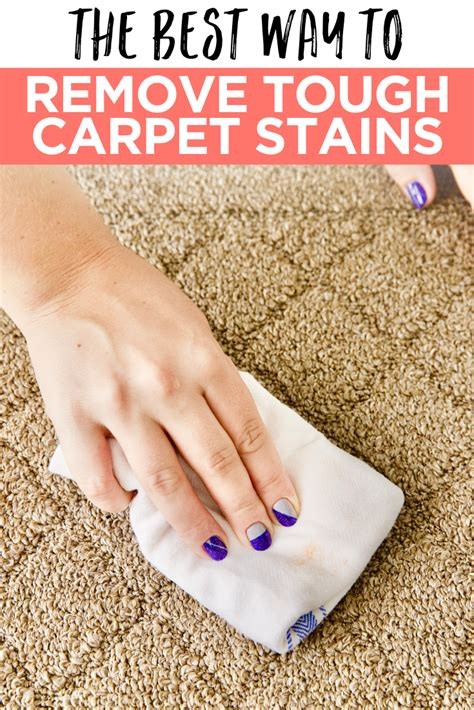
- Blot, Don’t Rub: Use a clean cloth or paper towel to blot the stain gently—rubbing can spread the stain and damage fibers.
- Test Cleaning Solutions: Always test any cleaning product or homemade solution in an inconspicuous spot to check for discoloration or damage.
- Avoid Excessive Water: Too much moisture can lead to mold or damage carpet backing.
- Use Clean White Cloths or Towels: Colored towels can transfer dyes onto your carpet.
Step-by-Step Guide to Removing Common Carpet Stains
1. Removing Food and Beverage Stains
Spills like coffee, tea, or wine can be tough but manageable with the right approach.
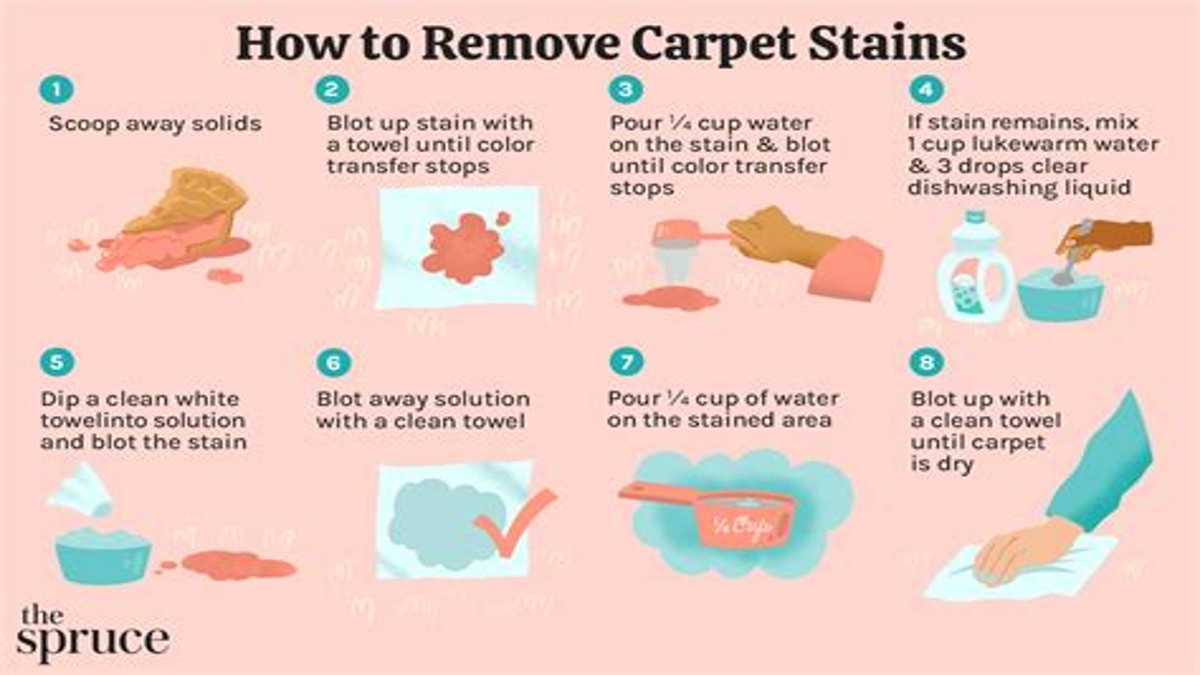
- Blot the spill immediately with a paper towel or cloth to soak up as much liquid as possible.
- Mix one teaspoon of dishwashing detergent with one cup of warm water.
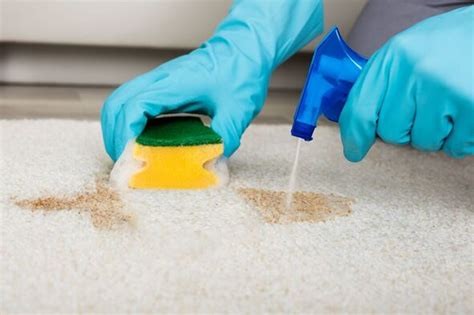
- Dip a clean cloth into the solution and gently blot the stain.
- Rinse the area with a cloth dipped in plain water to remove detergent residue.
- Blot dry with a paper towel or dry cloth.
For stubborn stains like red wine, sprinkle salt over the damp stain to absorb moisture and prevent spreading before following the above steps.
2. Tackling Pet Stains
Pet accidents can leave unpleasant odors and stubborn stains.
- Blot any excess moisture immediately.
- Apply a mixture of equal parts white vinegar and water directly to the stained area.
- Let the solution sit for 5 to 10 minutes—vinegar neutralizes odors and disinfects.
- Blot again, then sprinkle baking soda over the area for odor absorption.
- After the baking soda dries, vacuum it up.
For tougher stains, especially protein-based ones, consider an enzymatic cleaner designed for pet stains that breaks down organic materials.
3. Dealing with Oil-Based Stains
Oil and grease from food, makeup, or other sources require a slightly different method.
- Sprinkle cornstarch or baking soda onto the stain to absorb excess oil.
- Let it sit for at least 15 minutes, then vacuum thoroughly.
- Mix a few drops of dishwashing detergent with warm water and blot the area gently.
- Use a clean cloth dampened with plain water to rinse the area.
- Blot dry and repeat if necessary.
If the stain persists, a small amount of rubbing alcohol on a cloth can be used, but test first to avoid discoloration.
4. Removing Ink and Dye Stains
Ink stains are tricky but often removable with careful treatment.
- Dab (do not rub) the stain with rubbing alcohol using a cotton ball or clean cloth.
- Continue blotting until the stain lifts, changing the cotton ball frequently to avoid redepositing ink.
- Rinse with a damp cloth and blot dry.
- If rubbing alcohol doesn’t work, a carpet stain remover formulated for ink is a good alternative.
5. Cleaning Dirt and Mud
Muddy footprints and tracked-in dirt can dull your carpet.
- Allow mud to dry completely before attempting to clean.
- Vacuum the dry dirt thoroughly.
- Mix a mild detergent with water and spot clean any remaining stain with a soft brush or cloth.
- Rinse with plain water and blot dry.
When to Call Professionals
While many stains can be addressed with DIY solutions, some situations warrant professional carpet cleaning:
- Deep-set or very old stains that don’t respond to home treatments.
- Large areas affected by spills or pet accidents.
- Delicate or antique carpets where DIY cleaning may cause damage.
- Persistent odors despite thorough cleaning.
Professional cleaners use industrial-grade equipment and specialized cleaning agents to restore carpets effectively.
Additional Tips for Carpet Care
- Regular Vacuuming: Frequency depends on use, but at least once a week is advisable to prevent dirt buildup.
- Use Area Rugs and Mats: Placing rugs near entries reduces the amount of dirt tracked onto carpets.
- Prompt Attention: The quicker you react to spills, the better the chance of complete removal.
- Rotate Furniture: Prevents uneven wear and helps maintain carpet integrity.
Conclusion
Carpet stains don’t have to be a source of frustration. With swift action and the right cleaning methods tailored to the type of stain, you can maintain a fresh and inviting environment in your home. Remember to always test cleaning solutions beforehand and opt for professional help when stains are persistent or carpets are delicate. Regular care combined with effective stain removal techniques will keep your carpets looking their best for years to come.