Simple Steps to Effectively Maintain Your Home’s Plumbing System
Simple Steps to Effectively Maintain Your Home’s Plumbing System
Maintaining your home’s plumbing system is essential to avoid costly repairs, water damage, and inconvenience. A well-maintained plumbing system not only functions efficiently but also extends the lifespan of your pipes and fixtures. Whether you’re a new homeowner or have been living in your house for years, understanding simple maintenance tasks can save you a lot of trouble down the road. In this guide, we’ll walk you through practical steps to keep your plumbing in tip-top shape.
1. Regularly Inspect for Leaks
Leaks are among the most common plumbing issues, and they often start small before becoming bigger problems. Regular inspections can help you catch leaks early.
- Check under sinks and around toilets: Look for any signs of moisture, water stains, or mold.
- Inspect exposed pipes: Pipes in basements, crawl spaces, or utility rooms should be examined for corrosion or drips.
- Monitor your water meter: Turn off all water in your home and note the water meter reading. Wait for about an hour without using water and check again. An unexpected change indicates a leak somewhere.
Address minor leaks promptly to avoid damage and reduce water waste.
2. Prevent Clogs With Proper Disposal Habits
Clogs can occur in sinks, toilets, and drains when unsuitable materials are flushed or poured down. Preventing blockages is much easier than unclogging pipes.
- Avoid pouring grease down the drain: Fat, oil, and grease solidify in pipes and create blockages.
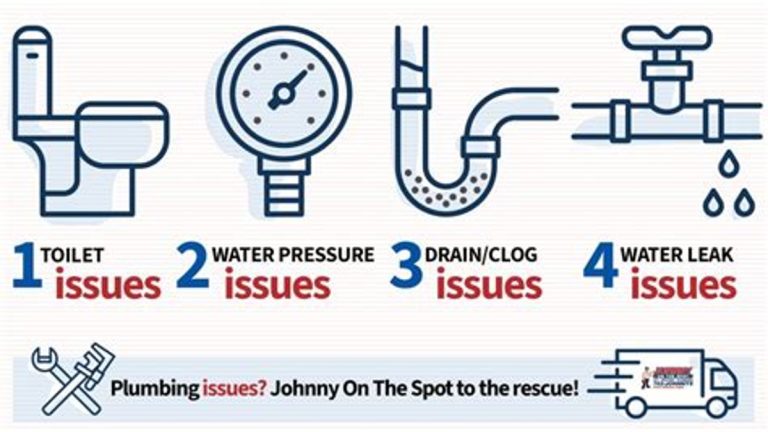
- Be cautious with what you flush: Only flush toilet paper and human waste. Avoid flushing wipes, feminine hygiene products, cotton balls, and paper towels.
- Use strainers: Install drain strainers in sinks and showers to catch hair, food scraps, and other debris.
- Dispose of food scraps properly: Compost or trash food waste instead of letting it go down the kitchen drain.
3. Maintain Water Pressure
Water pressure that is too high or too low can harm your plumbing system and reduce efficiency.
- Test water pressure: Use a pressure gauge (available at hardware stores) to check your home’s water pressure. Ideal pressure ranges from 40 to 60 psi.
- Install a pressure regulator: If pressure is high, a pressure regulator can protect pipes and fixtures from damage.
- Address low pressure: Low water pressure may indicate leaks, clogged pipes, or issues with the municipal supply that should be investigated.
4. Flush Your Water Heater Annually
Water heaters accumulate sediment that can reduce their efficiency and lifespan.
- Turn off the heater: Shut off power or gas supply before draining.
- Drain sediment: Attach a hose to the drain valve and flush out the sediment by letting water run out until it becomes clear.
- Inspect the anode rod: This rod protects against tank corrosion and should be checked every couple of years and replaced if needed.
Flushing your water heater annually ensures better performance and prevents premature failure.
5. Winterize Your Plumbing
If you live in an area where temperatures drop below freezing, winterizing your plumbing is crucial to avoid frozen or burst pipes.
- Insulate pipes: Use foam sleeves, heat tape, or insulation to wrap pipes in unheated areas such as garages, basements, and crawl spaces.
- Seal leaks: Check and seal cracks or gaps that could let cold air reach pipes.
- Drain outdoor hoses and faucets: Disconnect garden hoses, drain outdoor faucets, and shut off water supply to outside spigots if possible.
- Keep indoor temperature steady: Maintain a consistent temperature inside your home, especially during cold nights.
6. Clean Your Drains Periodically
Prevent buildup and odors by cleaning drains regularly with safe and effective methods.
- Use baking soda and vinegar: Pour half a cup of baking soda down the drain, followed by half a cup of vinegar. Let it fizz for 15 minutes, then flush with hot water.
- Avoid harsh chemicals: Strong chemical drain cleaners can damage pipes and are harmful to the environment.
- Employ mechanical tools: For deeper clogs, try using a drain snake or plunger before calling a plumber.
7. Keep an Eye on Your Sewer Line
The sewer line is a critical part of your plumbing system but often forgotten until a problem arises.
- Watch for warning signs: Slow drains, foul odors, gurgling sounds from drains, or sewage backups indicate potential sewer line issues.
- Schedule inspections: Periodic professional inspections using cameras can detect problems early.
- Avoid flushing non-biodegradable items: Protect your sewer line by limiting flushing of items that can cause damage or blockages.
8. Know When to Call a Professional
While many plumbing maintenance tasks are straightforward, certain issues require professional expertise to avoid further damage or safety risks.
- Persistent leaks: If leaks continue despite your efforts, a plumber can locate and repair them properly.
- Water heater problems: Complex repairs, such as replacing the thermostat or elements, are best handled by pros.
- Frozen pipes: If your pipes freeze and you can’t thaw them safely, professional help is needed to prevent breaks.
- Major clogs or backups: When drain snakes or plungers don’t work, a plumber can use specialized equipment.
Building a relationship with a trusted plumber can provide peace of mind when emergencies or complex issues arise.
Conclusion
Maintaining your home’s plumbing system doesn’t have to be complicated. By adopting regular inspection routines and simple preventative habits, you can avoid many common plumbing problems. Keeping an eye out for leaks, preventing clogs, managing water pressure, winterizing pipes, and knowing when to call in a professional will help your system run smoothly for years to come. Investing a little time in plumbing maintenance today can save you money and stress tomorrow.