How to Maintain Your Plumbing System for a Healthy Home
How to Maintain Your Plumbing System for a Healthy Home
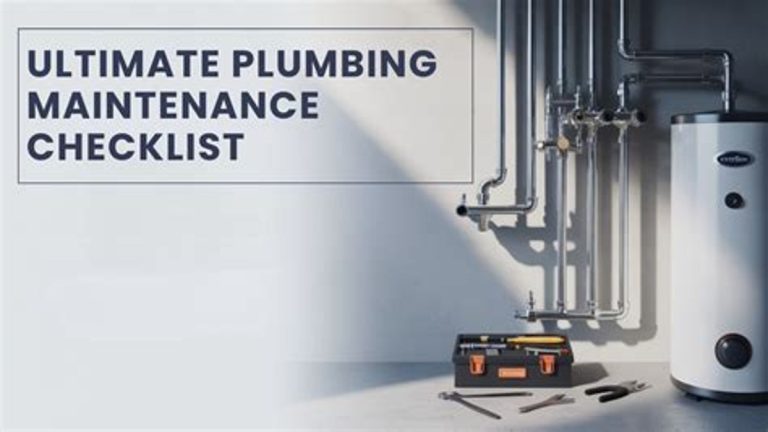
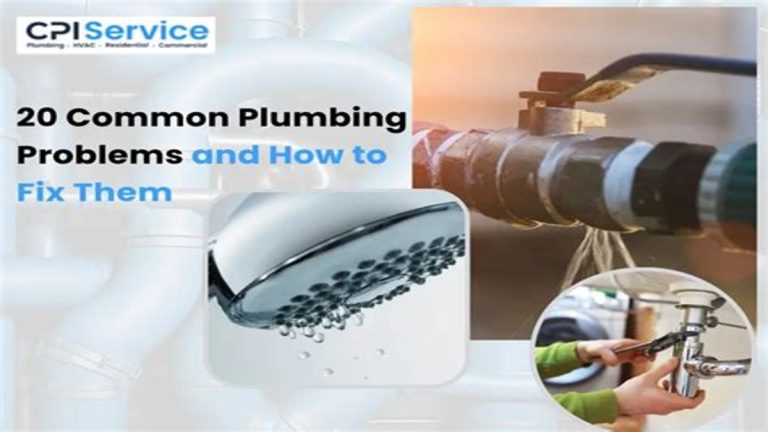
A well-maintained plumbing system is fundamental to keeping your home safe and comfortable. From ensuring clean water supply to preventing costly damages, regular plumbing care helps maintain the overall health of your household. In this article, we’ll walk you through essential tips and best practices to keep your plumbing system in top shape.
Why Plumbing Maintenance Matters
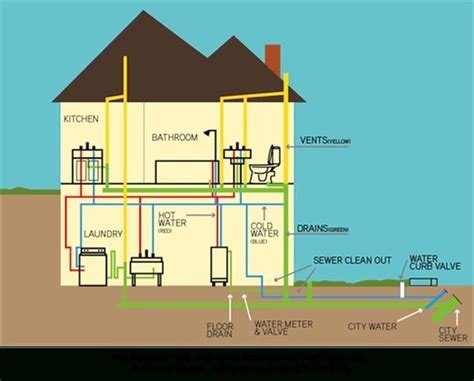
Your home’s plumbing system is a complex network of pipes, fixtures, and appliances that supplies water and removes waste. Neglecting this system can lead to leaks, water damage, mold growth, and even structural problems that affect your home’s value and safety. Regular maintenance keeps everything functioning smoothly, saves money on emergency repairs, and promotes a healthier living environment.
Signs Your Plumbing Needs Attention
Before diving into routine maintenance tips, it’s important to recognize common signs that your plumbing system may have issues:
- Slow drains: Water pooling in sinks, tubs, or showers often indicates a clog or buildup in your pipes.
- Unpleasant odors: Foul smells coming from drains or faucets can signal a blockage or sewage backup.
- Water discoloration: Rusty or cloudy water suggests problems with your pipes or water supply.
- Unusual noises: Banging pipes, gurgling sounds, or dripping noises might mean leaks or pressure irregularities.
- Increased water bills: Unexpectedly high bills may be due to leaks or inefficient fixtures.
Regular Inspection and Maintenance Tips
Happily, many plumbing problems can be prevented or mitigated by simple routine maintenance. Here are practical steps to protect your plumbing system:
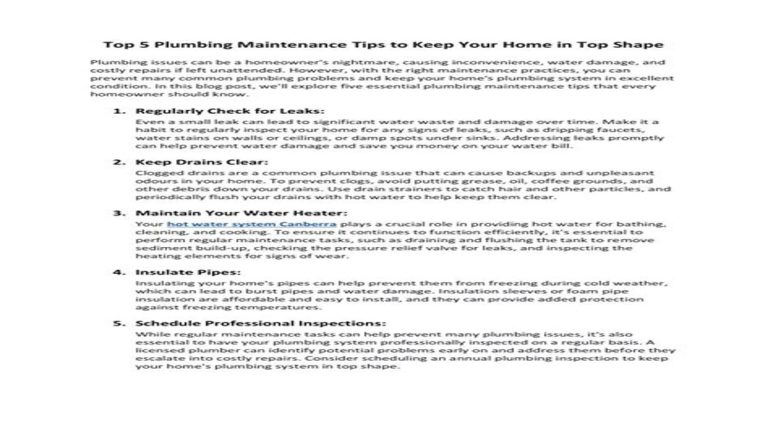
1. Check for Leaks Regularly
Leaks don’t always cause obvious water puddles. Sometimes, they happen inside walls or under floors. Take time each month to inspect visible pipes, faucets, and appliances like your water heater or washing machine for drips or corrosion. Even a small leak can waste a significant amount of water over time.
2. Keep Drains Clear
Slow or clogged drains are a common nuisance. Avoid pouring grease, coffee grounds, or large food particles down your kitchen sink. In bathrooms, hair is a frequent culprit behind blockages. Using drain screens helps catch debris, reducing the chance of clogs. For routine cleaning, pour a mixture of baking soda and vinegar down drains followed by hot water to naturally dissolve buildup.
3. Maintain Water Pressure
High water pressure can strain pipes and appliances, leading to leaks or bursts. Conversely, low water pressure affects daily activities like showering and washing. Use a pressure gauge to test your system’s pressure — it should generally range between 40 and 60 psi. If it’s too high, consider installing a pressure regulator.
4. Insulate Your Pipes
In colder climates, frozen pipes are a real risk during winter months. Frozen water expands, potentially causing pipes to crack or burst. Protect your plumbing by insulating exposed pipes in basements, crawl spaces, and attics. Pipe insulation sleeves and heat tape can be effective solutions, especially for pipes near exterior walls.
5. Flush Your Water Heater Annually
Over time, sediment builds up at the bottom of your water heater, reducing efficiency and shortening its lifespan. Flushing the tank once a year helps remove sediment and improve performance. Be sure to follow your manufacturer’s instructions or call a professional plumber to handle this task safely.
6. Test Your Sump Pump
If your home has a sump pump to prevent basement flooding, test it regularly, especially before rainy seasons. Pour a bucket of water into the sump pit to activate the pump and observe if it drains correctly. Clean the pit to remove debris, which can interfere with the pump’s operation during critical moments.
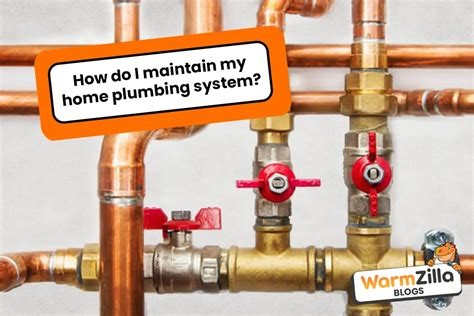
7. Know Where Your Main Water Shutoff Valve Is
In case of emergency, such as a major leak, shutting off the main water supply quickly can minimize damage. Locate your shutoff valve, usually near your water meter or where the main line enters your home, and ensure it turns fully off and on without issue. Inform all household members about its location.
When to Call a Professional
While routine maintenance helps prevent many issues, some problems require expert care. Contact a licensed plumber if you experience:
- Persistent or recurring leaks
- Signs of sewage backup or foul odors that don’t clear
- Water heater malfunctions, such as lack of hot water or strange noises
- Major clogs that don’t respond to DIY cleaning
- Burst or damaged pipes needing repair or replacement
Attempting complex repairs without the right tools or experience can sometimes worsen problems, so professional intervention ensures safety and quality work.
Best Practices to Extend Plumbing Lifespan
- Use water-efficient fixtures like low-flow toilets and showerheads to reduce strain on your system.
- Avoid chemical drain cleaners that can corrode pipes; opt for natural alternatives or mechanical cleaning tools.
- Schedule an annual professional plumbing inspection to catch hidden issues early.
- Educate your household about proper plumbing care, such as not flushing inappropriate items like wipes or grease.
Conclusion
Maintaining your plumbing system is more than just preventing inconvenience — it’s about protecting your home’s health and your family’s well-being. By regularly inspecting your pipes, keeping drains clear, controlling water pressure, and calling professionals when needed, you can enjoy a trouble-free plumbing setup that lasts for years. Taking proactive steps today will save you from costly repairs and ensure a safe, comfortable home environment.