How to Fix Common Plumbing Issues and Maintain a Healthy Home Water System
How to Fix Common Plumbing Issues and Maintain a Healthy Home Water System
Plumbing problems are a common headache for many homeowners, but with some basic knowledge and preventative care, many issues can be resolved quickly or even avoided entirely. Understanding how to fix common plumbing issues not only helps maintain a healthy home water system but can also save you money and prevent further damage. In this article, we’ll guide you through practical solutions for everyday plumbing problems and provide tips on keeping your water system in excellent condition.
Identifying Common Plumbing Problems
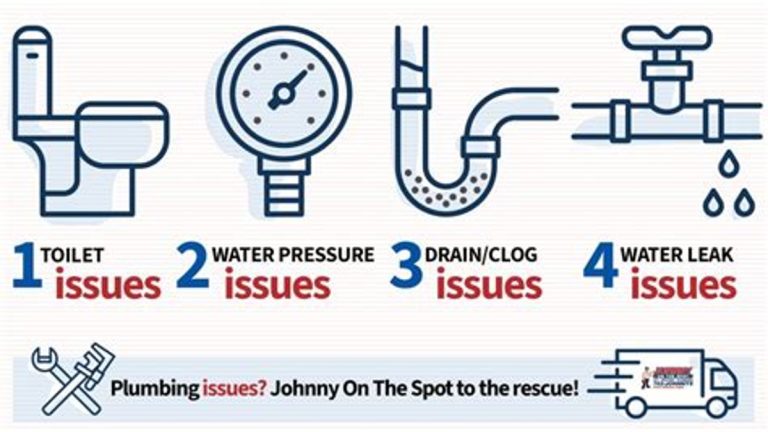
Before attempting any repairs, it’s important to identify the underlying issue clearly. Some of the most frequent plumbing problems homeowners face include:
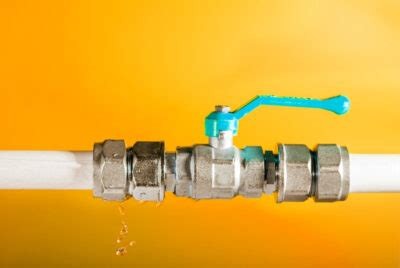
- Leaky Faucets: Constant dripping wastes water and increases your bill.
- Clogged Drains: Slow or blocked drainage can lead to backups and unpleasant odors.
- Running Toilets: Continuous running water wastes resources and may indicate a faulty flapper valve.
- Low Water Pressure: Reduced water flow can be caused by pipe leaks, blockages, or buildup.
- Water Heater Issues: No hot water or inconsistent temperatures affect comfort and household efficiency.
Let’s look at how to address these problems effectively.
How to Fix a Leaky Faucet
A dripping faucet is often caused by worn-out washers or seals, which can be replaced with minimal tools:
- Turn off the water supply under the sink.
- Use a wrench to remove the faucet handle and access the cartridge or valve.
- Inspect the rubber washers and O-rings for wear and tear.
- Replace damaged parts with exact matches from a hardware store.
- Reassemble the faucet and turn the water back on to test for leaks.
Regularly checking your faucets for leaks can help you catch issues early and prevent water waste.
Clearing Clogged Drains
Drain clogs typically result from accumulated hair, grease, or food particles. There are multiple eco-friendly and effective methods for unclogging drains:
- Boiling Water: Pour boiling water down the drain in stages to dissolve grease and soap scum.
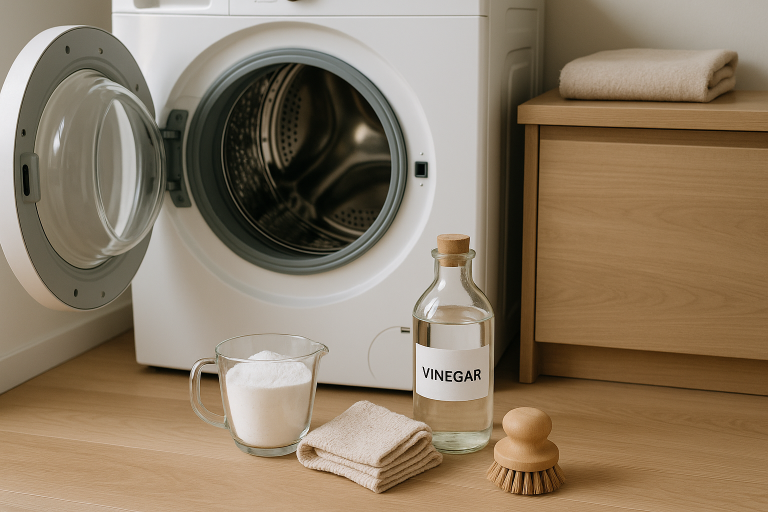
- Baking Soda and Vinegar: Combine a cup of baking soda followed by a cup of white vinegar. Wait 15-20 minutes, then flush with hot water.
- Plunger: Use a plunger to create suction and dislodge blockages.
- Drain Snake: For tougher clogs, a drain snake or auger can physically break up and retrieve debris.
If these methods don’t work, it may be necessary to consult a professional plumber to avoid causing damage to your pipes.
Fixing a Running Toilet
Continuous running water in the toilet tank can waste hundreds of gallons daily. The most common cause is a faulty flapper valve or improperly adjusted float:
- Remove the toilet tank lid and observe the flapper while flushing.
- If the flapper is cracked or warped, replace it with a new one available at plumbing stores.
- Check the float; it may need adjusting to stop the water at the correct level.
- Ensure the overflow tube height is correct to avoid excess water flow.
Performing these checks and replacements usually resolves the issue efficiently.
Improving Low Water Pressure
Low water pressure can stem from various causes, including pipe leaks, corrosion, or sediment buildup in faucets and showerheads. Steps to improve pressure include:
- Check for leaks under sinks or along visible pipes and repair them promptly.
- Clean aerators and showerheads by soaking them in vinegar to remove mineral deposits.
- Inspect the main shutoff valve to ensure it is fully open.
- If pressure issues persist across the entire home, consider consulting with a plumber to evaluate the main water line.
Regular maintenance of faucets and checking pipes can enhance water flow and extend your plumbing system’s life.
Maintaining Your Water Heater
A properly functioning water heater is vital for comfort and hygiene. Here are key maintenance tips to keep your water heater working efficiently:
- Flush the Tank Annually: Sediment buildup reduces efficiency. Draining the tank once a year helps prevent this.
- Inspect the Anode Rod: The anode rod prevents corrosion inside the tank. Replace it if it’s heavily corroded to extend the heater’s lifespan.
- Check the Temperature Setting: Keep the thermostat at about 120°F (49°C) to balance comfort, safety, and energy savings.
- Look for Leaks: Regularly check for any signs of leaking water around the heater.
- Schedule Professional Inspections: Annual inspections can detect hidden issues early, ensuring reliable service.
Preventative Plumbing Maintenance Tips
Keeping your home’s plumbing system in top shape relies heavily on regular maintenance and awareness. Here are some practical tips for long-term health of your plumbing:
- Don’t ignore small leaks: Address drips and slow leaks immediately to avoid costly damage.
- Use drain screens: Prevent hair and debris from entering drains to reduce clogs.
- Avoid pouring grease down the sink: It solidifies and causes blockages in pipes.
- Know your shutoff valves: Familiarize yourself with their location to quickly stop water in emergencies.
- Schedule routine professional checkups: Experts can spot problems that often go unnoticed by homeowners.
- Insulate Pipes: Particularly in colder climates, insulated pipes prevent freezing and bursting during winter.
When to Call a Professional Plumber
While many plumbing issues can be tackled with DIY methods, there are times when professional help is necessary:
- Persistent or widespread leaks that require pipe replacement.
- Water heater malfunctions beyond basic maintenance.
- Major clogs that don’t respond to household remedies.
- Significant drops in water pressure involving the entire house.
- Issues with sewer lines or unusual odors indicating potential contamination.
Hiring a licensed plumber ensures correct diagnosis and repair, preventing further damage and potential health risks.
Conclusion
Maintaining a healthy home water system involves understanding how to recognize and address common plumbing issues promptly. By handling minor problems like leaky faucets or clogged drains quickly, performing regular maintenance, and knowing when to seek professional assistance, you can ensure your plumbing remains reliable and efficient. With these tips, you’ll save water, reduce repair costs, and enjoy a smoothly functioning home plumbing system for years to come.