How to Tackle Common Plumbing Issues with Simple DIY Repairs
How to Tackle Common Plumbing Issues with Simple DIY Repairs
Plumbing problems can be stressful and inconvenient, especially when they occur unexpectedly. However, many common plumbing issues are easier to fix than you might think. With a few basic tools, some patience, and straightforward instructions, you can tackle a number of plumbing challenges on your own. This not only saves money on professional repairs but also helps you gain confidence in maintaining your home.
Understanding Basic Plumbing Tools
Before diving into repairs, it’s essential to have some fundamental tools around. These will equip you to handle most DIY plumbing tasks:
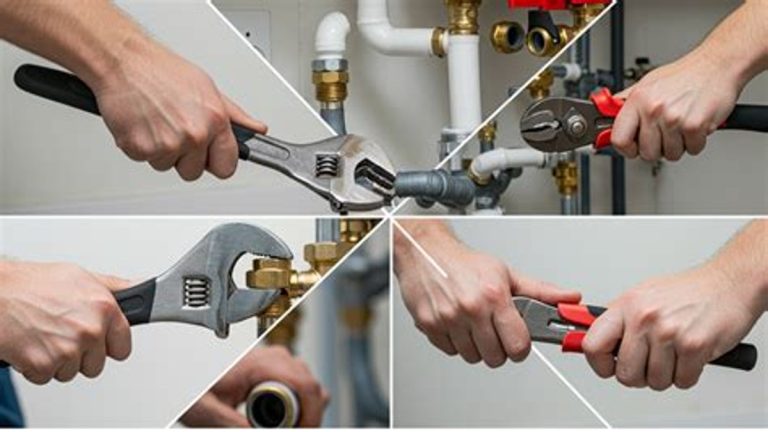
- Adjustable wrench: Useful for tightening or loosening nuts and bolts.
- Pipe wrench: Designed for gripping and turning pipes.
- Plunger: A must-have for clearing clogged drains and toilets.
- Plumber’s tape (Teflon tape): Helps create watertight seals on threaded pipe joints.
- Drain snake (augur): Handy for removing tougher blockages deeper in the drain.
- Screwdriver set: Needed for accessing certain fixtures and hardware.
- Bucket and towels: To catch water spills during repairs.
Common Plumbing Issues You Can Fix Yourself
Let’s explore some typical plumbing problems and how you can address them safely and effectively.
1. Fixing a Leaky Faucet
Leaky faucets can waste a lot of water and increase your utility bills. The most common cause is a worn-out washer or o-ring inside the faucet.
- Turn off the water supply: Locate the shutoff valves under the sink and close them.
- Disassemble the faucet: Use a screwdriver to remove the handle and access the inner parts.
- Inspect the washer and o-rings: If you see signs of wear or damage, replace them with new ones of the same size.
- Reassemble and test: Put everything back together and turn the water on to check for leaks.
This repair usually takes less than an hour and can stop that annoying drip in no time.
2. Unclogging Slow or Clogged Drains
A clogged drain is another common issue that often doesn’t need professional help. Here’s how to clear minor blockages:
- Use a plunger: Create a tight seal around the drain and push strongly several times to dislodge the clog.
- Try a drain snake: Insert the augur into the drain and twist it to break up debris blocking the pipe.
- Remove and clean the P-trap: Place a bucket under the P-trap pipe beneath the sink, unscrew it, and clear any gunk inside. Then reattach it securely.
- Avoid chemical drain cleaners: These can damage your pipes over time and are harmful to the environment.
Regularly cleaning your drains and being mindful about what goes down them can prevent future clogs.
3. Repairing a Running Toilet
If your toilet keeps running after flushing, it’s likely wasting a lot of water. Most running toilets are caused by problems in the tank’s fill valve or flapper.
- Open the tank lid: Carefully lift the lid to expose the internal components.
- Check the flapper: Ensure it seals the flush valve properly. Replace it if it’s warped or deteriorated.
- Adjust the float ball or fill valve: The float controls the water level. Adjust its height to stop overfilling.
- Test the flush: After adjustments, flush the toilet to confirm that it stops running.
Replacing these inexpensive parts is straightforward and can save hundreds of gallons of water a month.
4. Fixing Low Water Pressure
Low water pressure in faucets or showers can make everyday tasks frustrating. Here are common causes and simple fixes:
- Clean aerators and showerheads: Mineral buildup can reduce flow. Soak components in vinegar for a few hours, then scrub and rinse thoroughly.
- Check for leaks: Even minor leaks can lower pressure. Inspect visible pipes and fixtures for drips or moisture.
- Inspect the main shutoff valve: Make sure it’s fully open—sometimes it can be accidentally partially closed.
- Replace old or corroded pipes: In some cases, outdated plumbing may require professional help.
Routine maintenance like cleaning aerators is an easy way to improve water flow immediately.
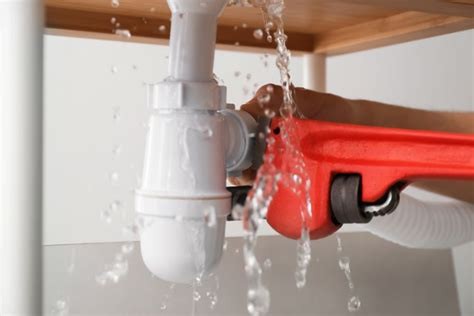
5. Repairing Leaky Pipes
Leaky pipes under sinks or behind walls can cause water damage and mold growth if not attended to promptly.
- Turn off the water supply: Shut the main valve to avoid flooding.
- Identify the leak location: Dry the pipes and watch carefully to spot drips.
- Use pipe repair clamps or epoxy putty: These tools provide temporary fixes to stop leaks until you can replace the damaged section.
- Replace damaged pipe: If comfortable, cut out the leaking section with a pipe cutter and install a replacement using appropriate fittings and plumber’s tape.
Please note that extensive or complicated pipe damage should be handled by licensed professionals to ensure safety and compliance with codes.
Tips for Successful DIY Plumbing Repairs
- Always shut off the water: Prevent water damage by turning off valves before starting work.
- Be patient and methodical: Take your time to understand the problem instead of rushing into repairs.
- Keep the work area dry and clean: This minimizes slips and helps you spot leaks easily.
- Use quality parts: Cheap components might save money upfront but can lead to bigger problems later.
- Know your limits: If a repair seems beyond your skills or involves complex plumbing, don’t hesitate to call a professional.
When to Call a Professional Plumber
While DIY repairs can handle many minor issues, some situations require a licensed plumber:
- Persistent or frequent leaks.
- Water heater problems or gas line work.
- Sewer line backups or major drain blockages.
- Replacing main water lines or complex pipe reconfigurations.
- Any situation involving local code compliance and permits.
Calling a professional early can often prevent more extensive damage and higher costs.
Conclusion
Handling common plumbing issues with simple DIY repairs can save you time, money, and stress. Equipped with basic tools and knowledge, you can fix leaky faucets, unclog drains, repair running toilets, improve water pressure, and temporarily stop pipe leaks. Remember to proceed carefully, turn off water supplies before working, and don’t hesitate to seek professional help when needed. Regular upkeep and timely repairs will keep your plumbing running smoothly and your home comfortable.