U.S., Iran End Most Intense Nuclear Talks Without Agreement
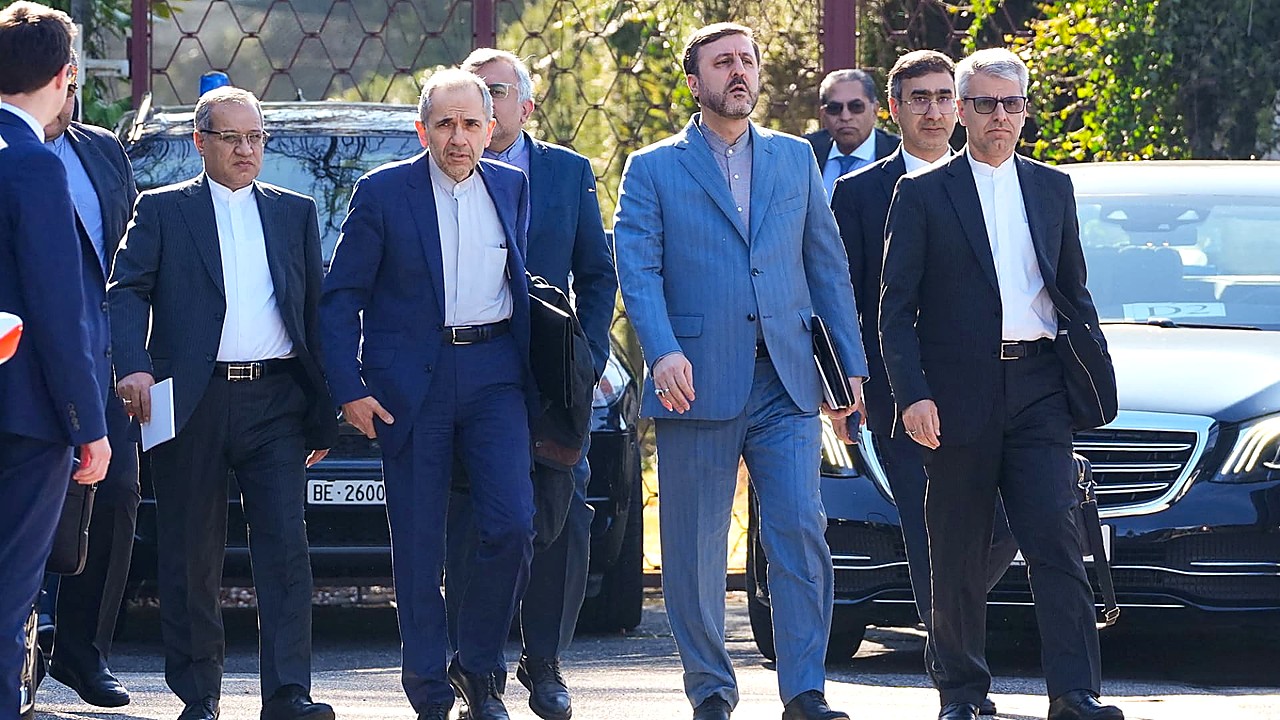
The United States and Iran ended their latest round of nuclear negotiations without reaching an agreement, concluding what Iranian officials described as some of the most intense talks the two sides have held. The discussions ended with no public announcement of a deal and with both sides expected to continue negotiations.
The most recent talks were held in Geneva and were conducted indirectly, according to published reports. The negotiating effort centers on Iran’s nuclear program and the broader standoff between Tehran and Washington that has fueled repeated cycles of escalation across the Middle East.
Iranian officials have characterized the negotiations as unusually intense, while U.S. officials have indicated that diplomacy remains the preferred path even as the military backdrop in the region remains active. Separate reporting has described American forces massing in the Middle East and the U.S. Navy reducing staffing to “mission critical” levels at its facility in Bahrain, steps officials have linked to contingency planning.
The negotiations are taking place against a wider climate of heightened tensions over Iran’s nuclear activities, with recent coverage underscoring the risk of a wider conflict if diplomacy fails. The lack of an agreement at the end of this round signals that major issues remain unresolved, even as both sides keep the channel open.
This development matters because the talks sit at the center of efforts to prevent further escalation between two longtime adversaries. Iran’s nuclear program has been a persistent source of international concern and regional anxiety, and each additional round without a breakthrough prolongs uncertainty for allies, markets, and governments watching for signs of either de-escalation or confrontation.
The continued negotiations also matter because the talks have been described as occurring as a deadline nears, increasing pressure on diplomats to narrow differences quickly. With no deal announced, the next steps will likely be shaped by whether both sides can identify practical, verifiable measures that reduce tensions while protecting their stated positions.
For now, the immediate outcome is straightforward: no agreement, but no declared end to the process. Additional meetings are expected, and both sides have signaled that more negotiations are ahead. Any future announcement would need to address the core disputes at the heart of the nuclear file and the broader security concerns surrounding it.
The coming days will be watched for confirmation of the next round’s timing and location and for any official statements that clarify whether progress was made behind closed doors. Until then, the talks remain active, the stakes remain high, and the diplomatic path remains open.