Khamenei Death Leaves Iran Succession Unclear Ahead Of Trump China Trip
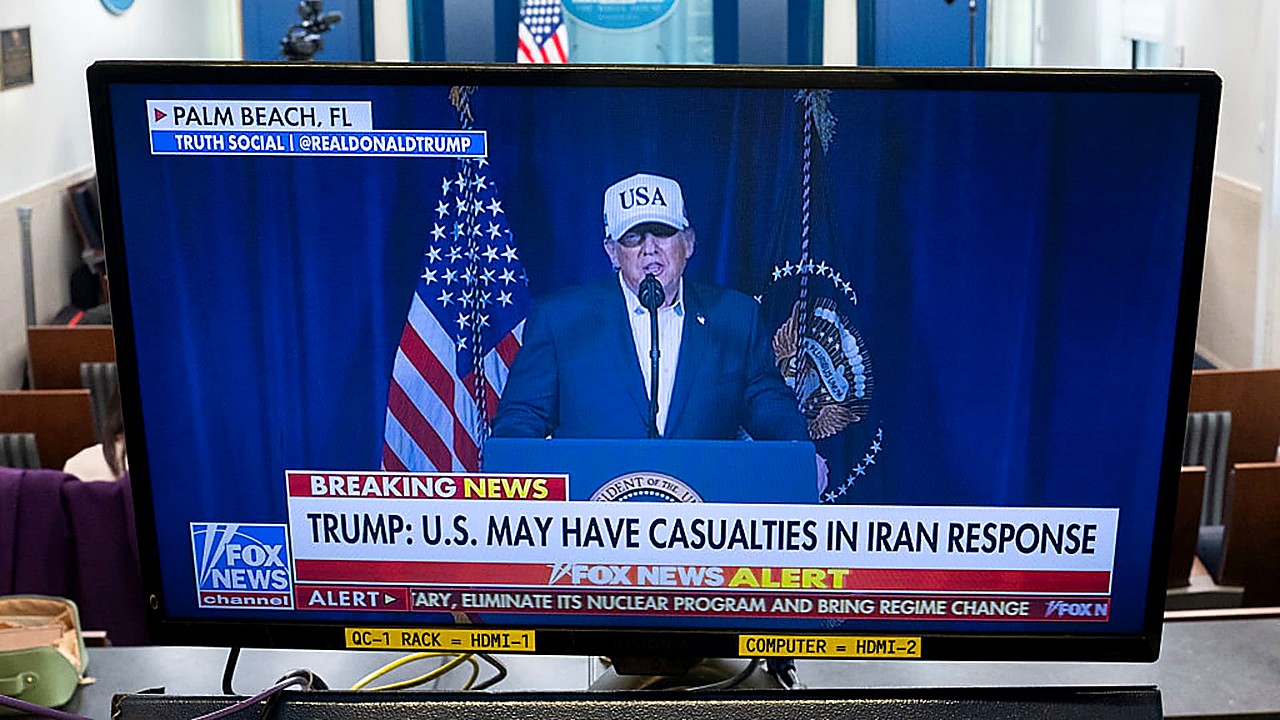
Iran’s Supreme Leader Ayatollah Ali Khamenei has been killed in strikes that President Donald Trump said were carried out jointly by the United States and Israel, a development that is rapidly reshaping diplomatic priorities and raising new uncertainty around Trump’s planned trip to China.
Trump’s statement, reported by multiple outlets, came as Israel mounted additional attacks and as tensions in the Middle East escalated. The death of Iran’s top leader immediately sharpened focus on Tehran’s next steps, the stability of the Iranian state, and how Washington will manage the fallout with allies and rivals.
Khamenei, Iran’s longest-serving supreme leader and the country’s highest authority, sat atop Iran’s political and military decision-making. His death removes a central figure in Iran’s leadership structure at a moment of open conflict, with significant implications for regional security, energy markets, and U.S. foreign policy.
The episode also complicates Trump’s international agenda, including plans for a summit-style engagement in China. With Washington now directly tied to a major leadership decapitation in Iran, U.S.-China talks risk being overshadowed by crisis management, military posture, and efforts to prevent a wider regional war.
Beyond the diplomatic calendar, the death of Khamenei forces urgent questions inside Iran about continuity of command. Iran’s succession process for supreme leader is typically managed by the Assembly of Experts, but any transition would unfold under extraordinary pressure amid strikes and heightened risk of retaliation. The identity of a successor, the cohesion of Iran’s governing institutions, and the posture of Iran’s security forces are now central variables for governments and markets alike.
The situation carries immediate global stakes. Iran sits at the center of a region critical to energy supply, and the prospect of additional escalation has already put attention on the outlook for oil and broader financial markets. Investors and policymakers are watching for signs of disruption, whether through direct conflict expansion or through instability tied to a leadership handover.
For the White House, the development compresses decision-making across multiple fronts: military readiness, coordination with Israel, messaging to allies, and deterrence toward Iran and its partners. It also adds a major new factor to any U.S. engagement with Beijing, where discussions can span security, trade, and geopolitical competition. A sudden Middle East shock of this magnitude can change the tone and substance of high-level diplomacy, including what issues dominate leader-to-leader meetings and how much time is available for preplanned negotiations.
What happens next will hinge on actions taken in Tehran and in the ongoing military campaign. Iran’s leadership will face immediate pressure to project control and establish a clear line of authority. At the same time, the U.S. administration will be expected to clarify objectives, address the risks of escalation, and outline how it will balance crisis response with other major foreign policy commitments, including the China trip.
With Khamenei dead and the region on edge, the next decisions in Washington, Tehran, and Jerusalem will determine whether the conflict narrows or widens—and whether U.S. diplomacy abroad can proceed as planned.