Nvidia Temporarily Closes Dubai Office As U.S.-Iran War Escalates
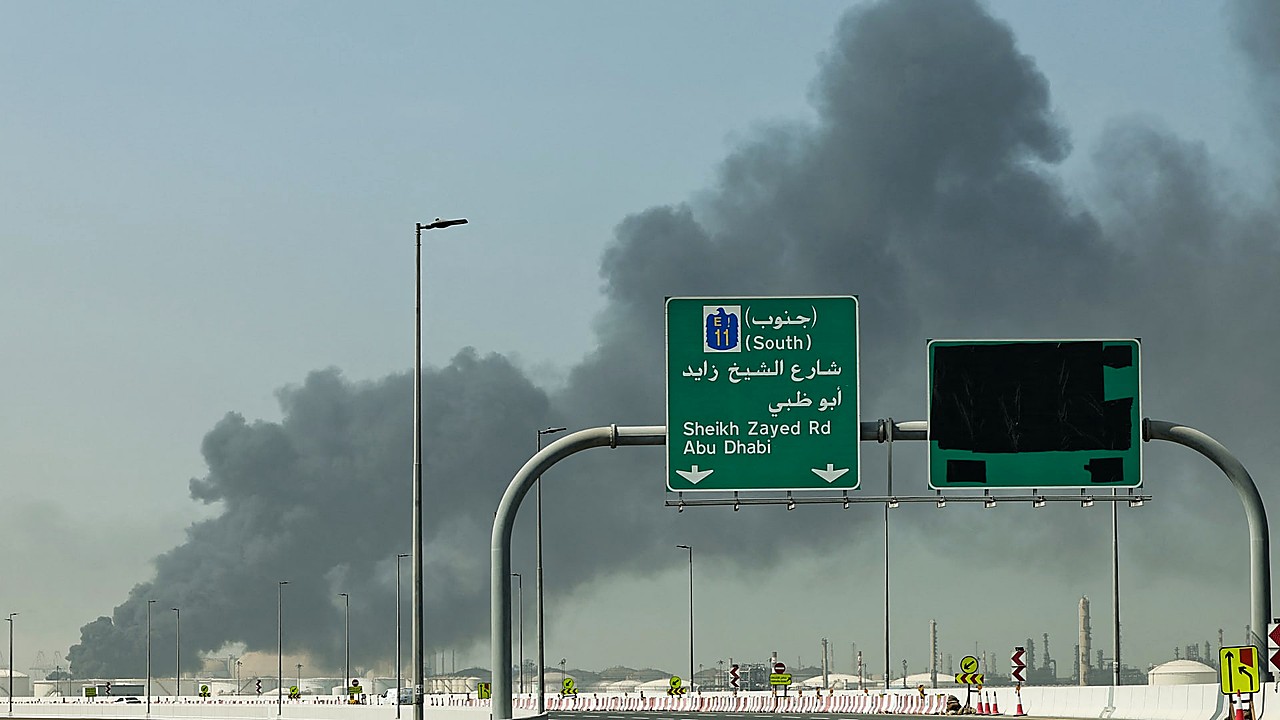
Nvidia and Amazon have temporarily closed their offices in Dubai as U.S.-Iran war conditions disrupt regional operations, while dozens of Google employees have been left stranded, according to CNBC.
The moves affect U.S. tech companies with a presence in the United Arab Emirates’ largest city, a major hub for corporate offices and regional travel. CNBC reported that Nvidia and Amazon shuttered their Dubai offices on a temporary basis. The report also said dozens of Google employees are stranded amid the conflict.
The companies involved have not been described as exiting the market. The actions outlined in the report are framed as temporary operational changes tied to the security and mobility challenges created by the war.
Dubai has long served as a central base for multinationals managing business across the Middle East, Africa, and parts of Asia, supported by extensive air connections and a large expatriate workforce. When offices in the city close, even briefly, it can interrupt customer support, sales coverage, and coordination across time zones for teams that serve multiple countries from one location.
The situation also highlights a human and logistical consequence for large employers with internationally distributed staff. With Google employees reported stranded, companies may face immediate needs around duty of care, travel support, and continuity planning for personnel whose work and movement have been disrupted. The issue is not limited to one firm: the report groups multiple tech companies responding to the same regional instability.
This development matters for the tech sector because Dubai functions as a key operational node for global companies that sell cloud services, semiconductors, e-commerce logistics, and enterprise technology across the region. Temporary closures can slow business activity and complicate ongoing projects that depend on in-person coordination, secure facilities, or local administrative functions.
It also underscores how fast-moving geopolitical events can force rapid operational decisions, even in markets that typically serve as stable bases for regional headquarters. For companies with sensitive supply chains, customer commitments, and cross-border teams, the ability to shift work and protect employees becomes a central test of resilience.
What happens next will depend on the evolving security and travel environment. The temporary closures could be extended or lifted as conditions change, and companies may reroute regional work through other offices or remote operations in the meantime. For the Google employees reported stranded, the next steps are likely to involve assistance with travel arrangements and guidance on where employees can safely work while normal movement remains constrained.
For now, the report signals a clear reality for global tech: even established regional hubs can be abruptly disrupted, forcing companies to prioritize safety and continuity at the same time.