Anthropic CEO Says OpenAI Military Deal Messaging Is Lies

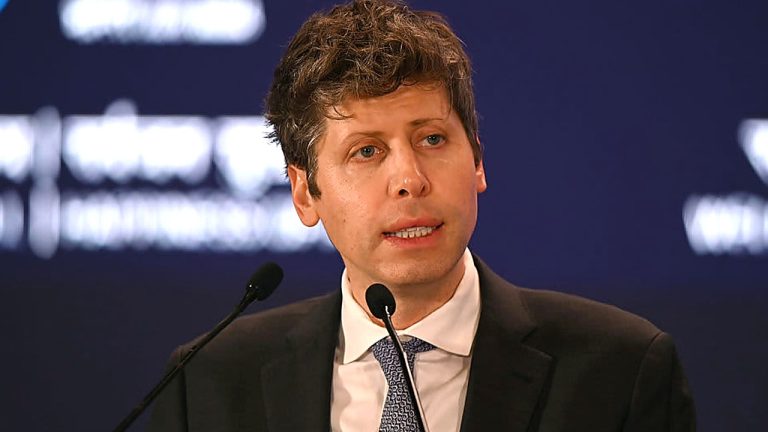
Anthropic CEO Dario Amodei has accused OpenAI of dishonesty in how it has publicly described a military-related deal, calling the company’s messaging “straight up lies,” according to a report.
The remarks, attributed to Amodei, sharpen a public dispute between two of the most prominent U.S. artificial intelligence companies over how AI systems are positioned for sensitive government and defense work. The report did not provide further details in the headline about the specific military deal at issue or the exact statements Amodei was responding to.
Anthropic is an AI company known for building large language models and marketing them with an emphasis on safety and responsible deployment. OpenAI is a leading AI developer whose products are widely used in consumer and enterprise settings. Both companies have been central players in the fast-moving race to develop and deploy increasingly capable AI systems.
The accusation matters because messaging around military and national security use has become one of the clearest fault lines in the AI industry. Companies are under growing scrutiny from policymakers, customers, and the public over where their models can be deployed, what kinds of contracts they accept, and how they communicate about those decisions. Strong language from a peer CEO raises the stakes for how companies describe their partnerships and the limits they say they set.
The dispute also highlights the broader competitive pressures in the sector. Defense and government contracts can carry major financial value and long-term influence, while also triggering reputational risk. When leaders of top AI labs publicly challenge one another’s credibility, it can shape how regulators, institutional buyers, and technology partners assess claims about safeguards, oversight, and intended uses.
Amodei’s comments, as reported, put a spotlight on the gap that can open between corporate statements and how competitors characterize the same events. They also underscore how quickly disagreements about AI governance can move from internal policy debates to public confrontation, especially when national security is involved.
What happens next will depend on whether OpenAI responds directly to the allegation and whether either company offers additional specifics about the deal and the messaging in question. The issue could also draw additional attention from industry watchdogs and lawmakers who have pushed for clearer disclosures and enforceable standards around high-stakes AI deployments.
For now, the episode serves as another sign that as AI’s role in defense and government grows, the language companies use to explain their involvement is becoming almost as consequential as the technology itself.