Exclusive: Ukraine F-16s Went Weeks Without U.S. Missiles
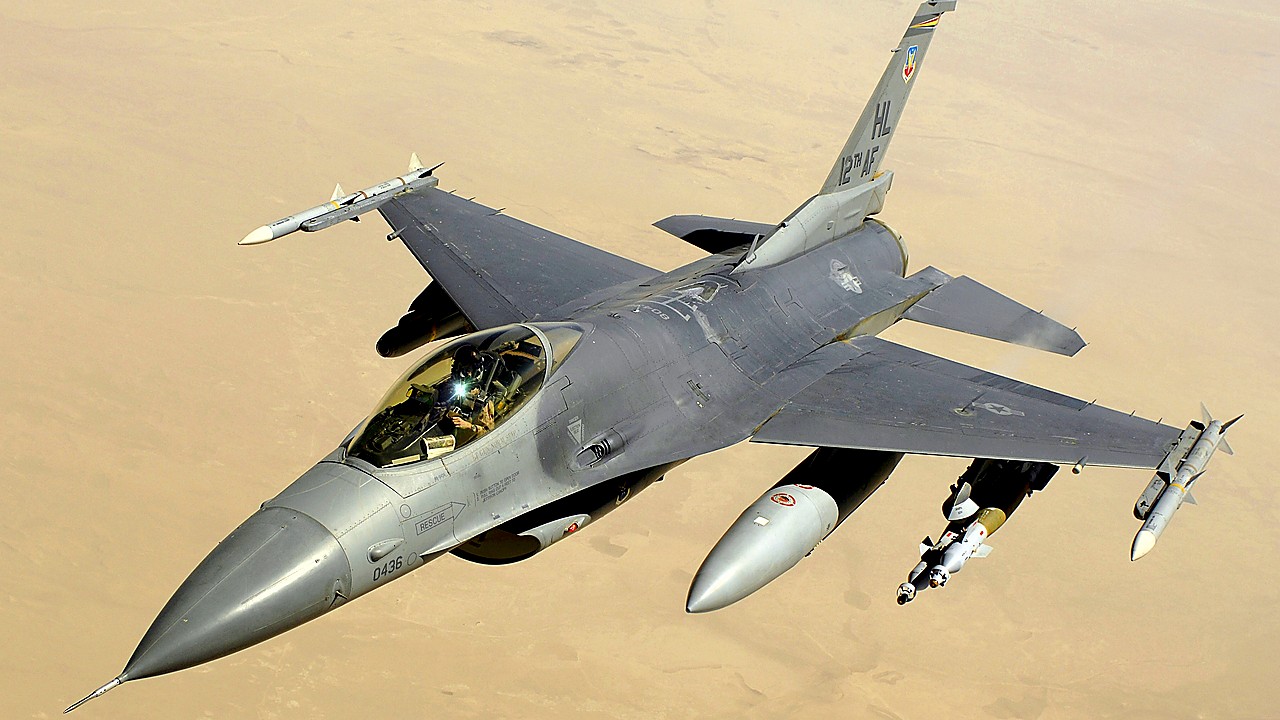
Ukraine’s small fleet of F-16 fighter jets went for weeks without U.S.-made air-to-air missiles, creating a gap in the aircraft’s ability to carry out key air defense missions, according to a Reuters report.
The development involves Ukraine’s F-16s and U.S.-manufactured missiles intended for the aircraft. The report describes a period in which the jets were “starved” of those missiles, leaving the planes without a central component needed for intercept and protection tasks.
The issue centers on weapon availability rather than the jets themselves. F-16s rely on compatible air-to-air missiles to engage aerial threats, and the absence of those munitions can sharply limit how the aircraft are used. Without U.S.-made missiles, commanders may be forced to restrict sorties, change mission profiles, or lean more heavily on other air defense assets.
The reported shortage is significant because Ukraine has sought to expand and modernize its air defenses while under pressure from continued aerial attacks. Even a temporary disruption in missile supplies can affect planning, readiness, and the credibility of deterrence in contested airspace. For a force operating a limited number of Western aircraft, inventory gaps can have outsize operational consequences.
The Reuters report underscores the importance of sustained logistics and steady deliveries, particularly for platforms that require specific munitions and support. Fighter jets are not stand-alone tools; their effectiveness depends on the availability of trained personnel, maintenance capacity, secure basing, and—critically—ammunition that matches the aircraft’s systems.
The timing and precise reasons for the reported missile gap were not detailed in the provided context. The report also did not specify how many missiles were unavailable, which variants were affected, or whether Ukraine substituted other weapons during the period in question. It likewise did not quantify any operational impact, such as reduced patrols or altered engagement rules.
What happens next will depend on whether missile supplies have resumed and how quickly Ukraine can rebuild stockpiles sufficient for sustained operations. Any replenishment would likely be paired with efforts to manage inventories and align future deliveries to anticipated operational tempo. Continued coordination with partners on munitions and air defense support remains central to keeping the F-16s mission-capable.
The reported weeks-long shortfall highlights a basic reality of modern air warfare: advanced aircraft can be grounded in practice not by lack of pilots or planes, but by a lack of the missiles they are meant to carry.