Trump To Decide On U.S. Role In IEA Oil Reserve Release
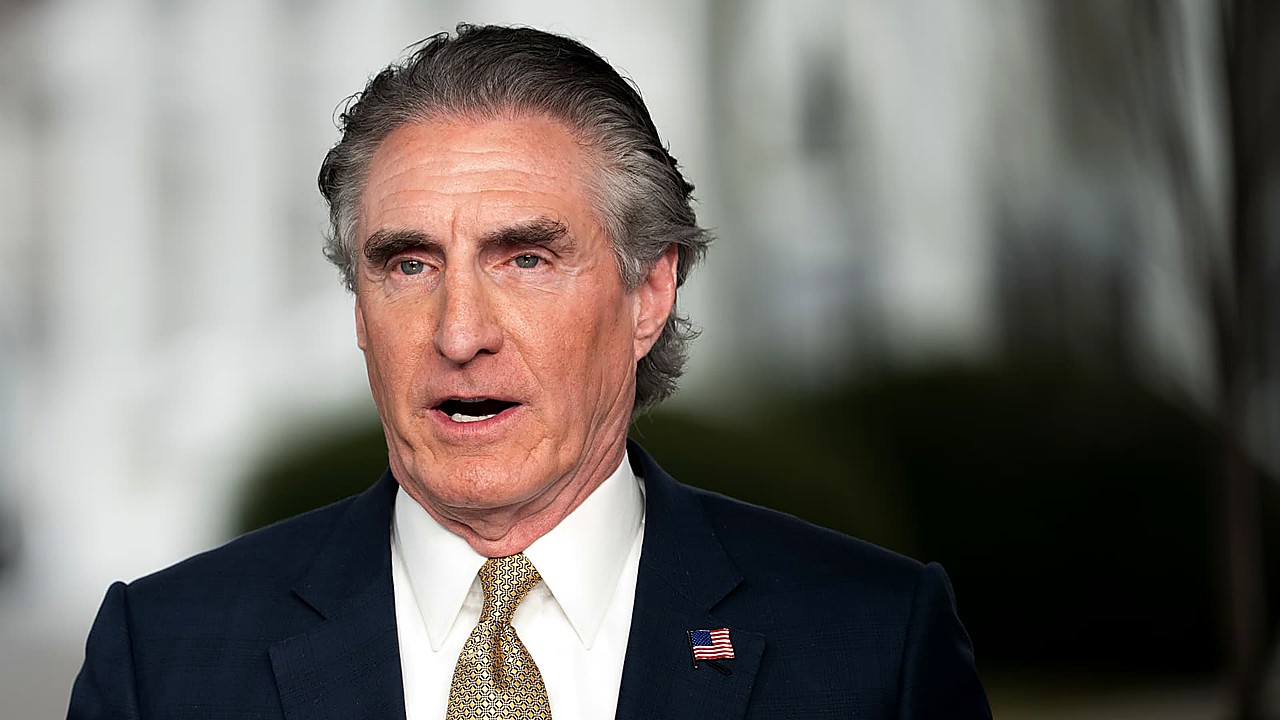
President Donald Trump will decide whether the United States joins an International Energy Agency-led release of oil from strategic reserves, according to comments from the Interior secretary reported Monday.
The remarks come as the IEA has announced what some outlets described as the largest-ever coordinated release of oil from global strategic reserves. The move is being discussed against a backdrop of heightened global energy concerns tied to Iran-related tensions and warnings about threats to cargo transiting the Strait of Hormuz, a key shipping route for crude oil.
The Interior secretary’s statement, as reported by CNBC, framed the decision as one that rests with Trump. Any U.S. participation would involve tapping government-held oil stocks as part of a coordinated effort with other countries.
The IEA is an international body that works with member nations on energy security, including emergency stock releases intended to stabilize supply during disruptions. A coordinated release typically signals a shared assessment among participating governments that market conditions warrant action.
This development matters because the United States holds one of the world’s largest strategic petroleum stockpiles, and U.S. involvement can significantly affect the scale and perceived impact of any coordinated release. Participation also carries policy and political implications, including how the administration balances domestic energy priorities against international coordination during periods of heightened geopolitical risk.
The decision arrives as oil markets react to fast-moving news related to Iran and the broader regional situation. Recent reports have highlighted concerns about shipping through the Strait of Hormuz and the potential for disruptions that could affect global supplies. Other coverage has described sharp moves in oil prices as Trump has publicly commented on the trajectory of the conflict.
Separately, Reuters has reported that the Group of Seven is ready to act on oil price moves but has so far held off on tapping reserves, underscoring that major governments are weighing whether and when to deploy strategic stocks.
What happens next is likely to hinge on Trump’s call on whether to align with the IEA action. If the United States opts in, federal officials would need to determine the size, timing, and mechanics of any release consistent with existing authorities and coordination with partner countries. If the U.S. declines to participate, the IEA-led action would proceed without American barrels, leaving the market response to depend on the volumes supplied by other participating nations.
For now, the only confirmed point is that the administration has not finalized its position and that the Interior secretary has indicated Trump will make the decision. The White House’s next public statements, along with any formal announcement from U.S. energy officials, will set the course for whether America joins the coordinated release.
The coming decision will be a closely watched signal of how the United States intends to respond to rising energy-security pressures in a volatile geopolitical moment.