U.S. Navy To Escort Ships Through Strait Of Hormuz, Bessent Says
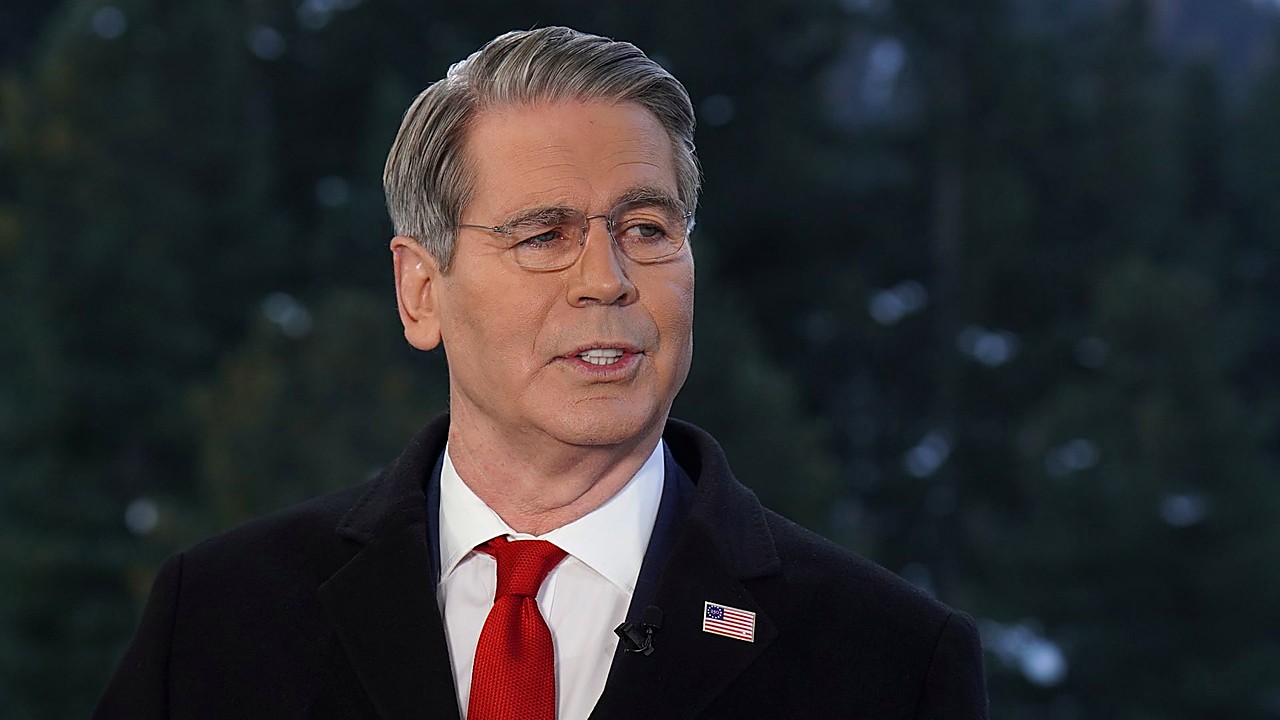
The U.S. Navy will begin escorting vessels through the Strait of Hormuz as soon as it is “militarily possible,” U.S. Treasury Secretary Scott Bessent said in an interview with Sky News, addressing shipping safety in one of the world’s most strategic waterways amid the Iran war.
Bessent’s comments, reported by Sky News and carried by other outlets including CNBC, point to an imminent operational shift focused on protecting commercial traffic transiting the narrow passage that connects the Persian Gulf to the Gulf of Oman and the Arabian Sea.
In the interview, Bessent said the U.S. Navy would provide escorts through the strait when conditions allow. The remarks were presented as a U.S. response aimed at securing maritime routes, including those used by oil tankers and other cargo vessels.
The Strait of Hormuz is a critical corridor for global energy and trade flows. Escort operations by the U.S. Navy are a significant step because they signal a higher level of direct U.S. involvement in ensuring freedom of navigation for commercial shipping moving through the area.
The statement also carries economic implications. Disruptions or heightened risk in the strait can affect shipping operations, insurance costs, and the broader supply chain tied to the Persian Gulf. Even without changes to formal policy, the announcement of escorts suggests U.S. officials are prioritizing immediate maritime security planning.
Bessent’s role as Treasury secretary underscores the intersection of security and economic concerns. The Treasury Department is central to U.S. financial and economic policy, and top-level attention to shipping security reflects the importance of stable maritime transit to energy markets and international commerce.
What happens next will depend on military readiness and operational conditions in the region. Bessent’s phrasing indicated the timing is contingent on when an escort mission can be carried out safely and effectively.
Further details about the scope of the escort effort, including which vessels would be covered and the duration of any protective operations, were not provided in the interview as described by the reports. Any operational announcement, including specific start times or rules for participating ships, would typically come through U.S. defense channels or official statements accompanying deployment decisions.
For now, Bessent’s comments put the Strait of Hormuz at the center of U.S. attention during the Iran war and set expectations that U.S. naval escorts will begin when commanders determine the mission can proceed.
The coming days will clarify how quickly escort operations can be organized and what protections the U.S. Navy will offer to vessels navigating one of the world’s most consequential maritime chokepoints.