Dictionary Publisher Files Federal Lawsuit Against OpenAI
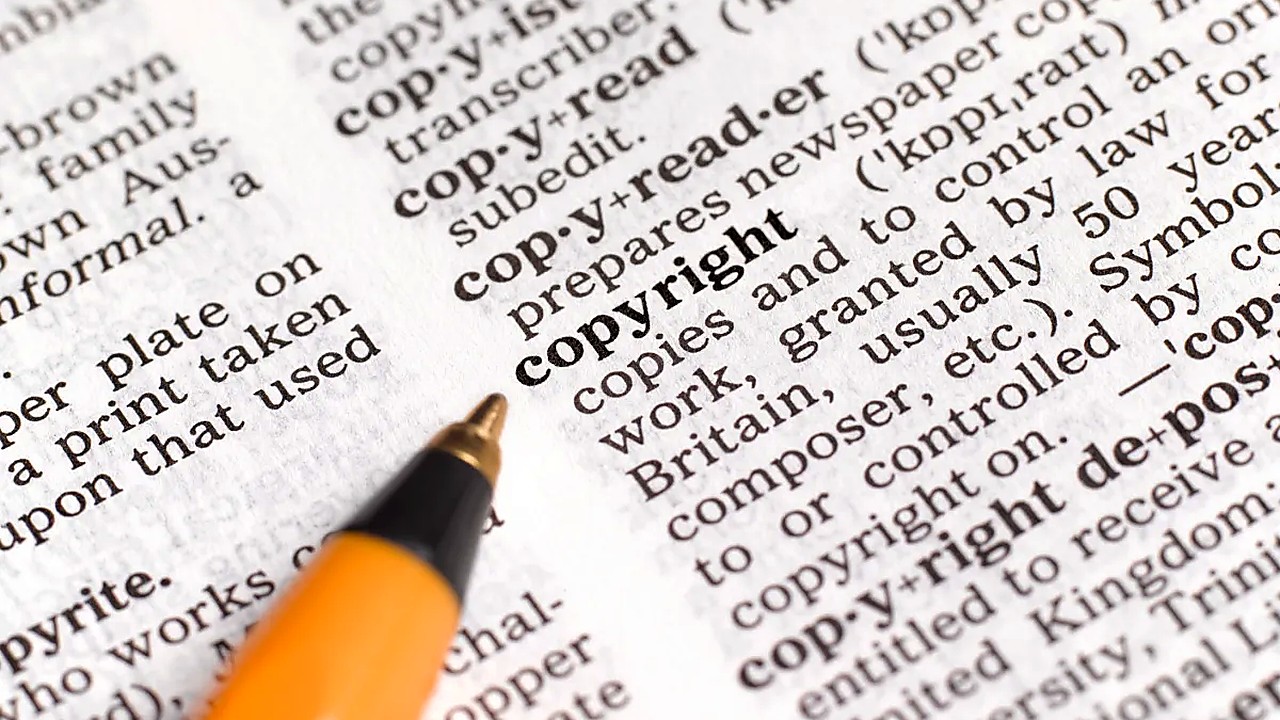
Encyclopaedia Britannica has filed a lawsuit against OpenAI alleging the company used Britannica content to train its AI models without permission, according to recent reports.
The case centers on Britannica’s claims that OpenAI improperly used material from Encyclopaedia Britannica’s reference works in the development of ChatGPT and related systems. The lawsuit has been covered by outlets including Reuters, The Verge, TechCrunch, and other publications that reported on the filing and the allegations.
Britannica is a long-running publisher known for its encyclopedias and educational reference products. OpenAI is the San Francisco-based artificial intelligence company behind ChatGPT. The lawsuit names OpenAI and focuses on the way large AI models are trained using massive collections of text, as well as how those systems can reproduce or closely paraphrase source material.
The complaint alleges that OpenAI’s systems “memorized” Britannica content. The Verge reported that the lawsuit argues the chatbot can return passages that resemble Britannica’s work. Other coverage, including reports cited in international outlets, described allegations involving a large volume of articles.
The legal fight matters because it adds to the growing wave of disputes over how AI companies obtain and use content. Publishers, authors, and other rights holders have raised concerns that their work is being used to build commercial AI products without compensation or clear licensing agreements.
Britannica’s suit also highlights a core tension in modern AI development: companies say they need broad training data to build useful tools, while content creators argue they should have control over how their work is copied, reused, and monetized. The outcome could influence how AI developers source training material and how publishers negotiate licenses.
The case comes as more established media and reference brands weigh legal action, licensing deals, or technical restrictions to protect content. Recent headlines also point to other dictionary and reference publishers taking similar steps, reflecting intensifying scrutiny of AI training practices across the information industry.
Next, the court will set an initial schedule for the case, including deadlines for OpenAI to respond to the complaint and for the parties to exchange information. Early motions could seek to narrow the claims, dismiss parts of the lawsuit, or set ground rules for evidence and expert testimony.
If the case proceeds, it could turn on questions such as what content was used, how it was obtained, what constitutes permissible use for training, and whether chatbot outputs infringe protected material. Those issues are likely to be contested and could take months or longer to resolve.
For now, Britannica’s lawsuit puts one of the best-known reference publishers in direct conflict with one of the most prominent AI companies, escalating a legal battle that could shape how knowledge businesses coexist with generative AI.