AI Data Center Boom Drives Surging Demand For Trade Workers
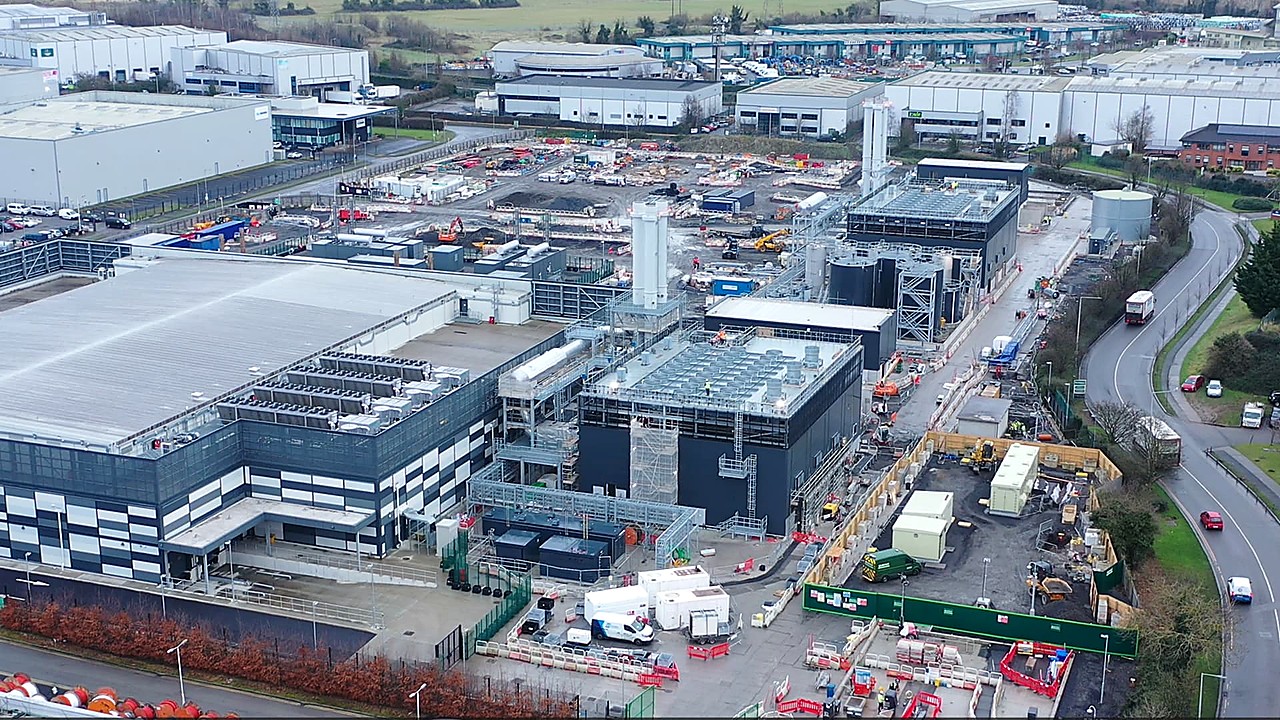
A surge in AI-focused data center construction is pushing up demand for skilled trade workers, opening a lucrative career path for electricians, HVAC technicians, welders and other hands-on jobs tied to building and operating these facilities.
The boom is centered on data centers designed to support AI computing, which requires massive amounts of power, cooling and physical infrastructure. That translates into immediate need for workers who can install electrical systems, build out mechanical and cooling equipment, and maintain complex buildings running around the clock.
The development is drawing attention because it links one of the hottest parts of the tech economy to jobs that do not require a four-year degree. Trade roles tied to data centers can offer strong pay potential and steadier, long-term work once sites move from construction into ongoing operations and maintenance.
It also underscores how the AI buildout is reshaping the labor market in ways that go beyond software engineers and data scientists. Data centers are physical projects with tight deadlines, heavy equipment, strict safety requirements and high reliability standards. Those demands can elevate the value of experienced trade workers and increase competition among employers seeking people who can work on mission-critical infrastructure.
At the same time, the broader conversation about AI and work is becoming more complicated. Recent reports have highlighted concerns that AI may be making work more stressful rather than less, even as companies promote automation as a way to boost productivity. In that context, the growth of trade opportunities tied to AI infrastructure is notable: it represents job creation driven by AI’s physical footprint, not just digital tools inside an office.
For communities where data centers are being built, the workforce needs can ripple outward. Large facilities require coordinated teams across multiple trades, plus ongoing staffing to keep power and cooling systems stable. That can create pathways for apprenticeships and training programs aligned to industry demand, and it can influence how workers weigh career choices between remote office jobs and on-site skilled work.
What happens next will depend on the pace of data center development and companies’ ability to hire and train enough workers to meet construction schedules and operational requirements. Employers and contractors will continue recruiting for trade roles that are essential to electrical distribution, backup power, cooling, cabling, and facility maintenance. Training pipelines, certification programs and job placement efforts are likely to play a bigger role as demand rises.
The AI era is often described as a software revolution, but the current data center buildout is a reminder that the technology’s growth is also being powered—literally—by people in the trades.