OpenClaw Chatbot Debut Fuels Fears Of AI Model Commoditization
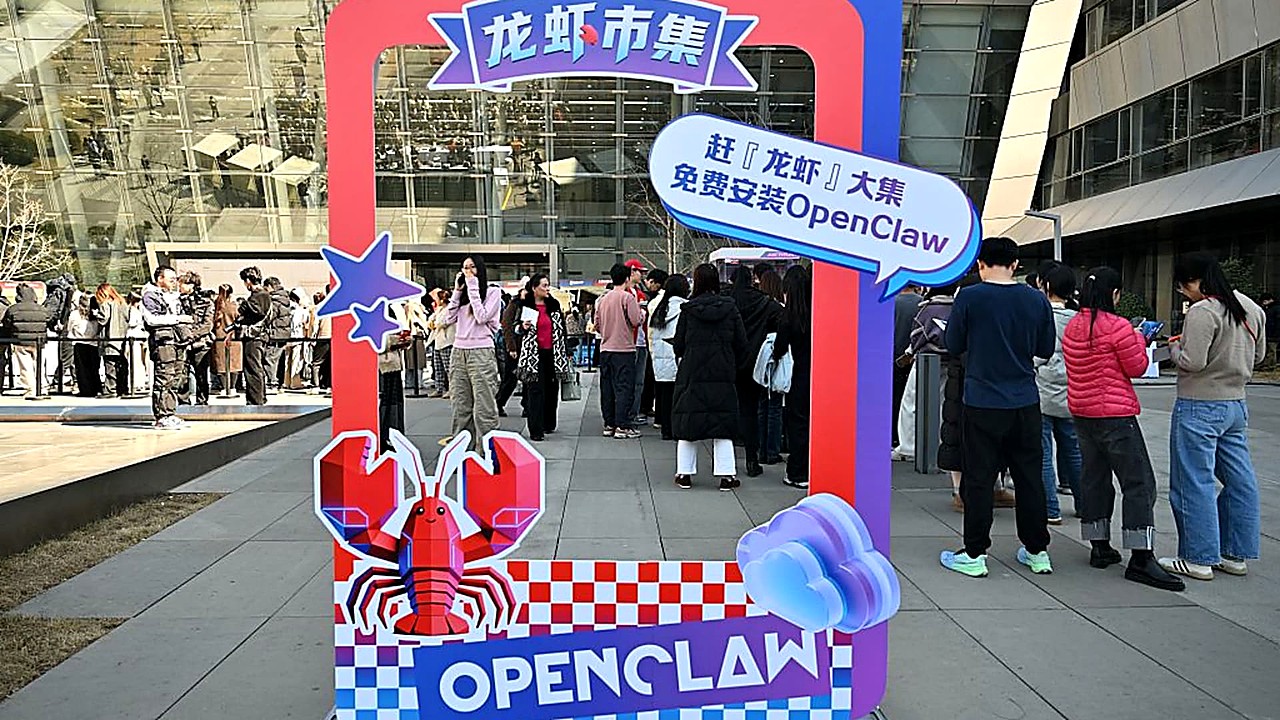
OpenClaw’s latest breakthrough has been framed by industry watchers as the company’s “ChatGPT moment,” a milestone that is intensifying concerns across the tech sector that powerful AI models are quickly becoming interchangeable commodities rather than durable competitive advantages.
The development centers on OpenClaw, which has drawn fresh attention for the apparent leap in the accessibility and appeal of its AI offering. The shift has prompted a new round of discussion among investors and executives about whether the most advanced model capabilities can remain proprietary for long, or whether similar performance will become broadly available across multiple vendors.
In practical terms, the worry is that as more companies release comparable models, the differentiators that once separated a small set of leaders may erode. If customers can get roughly the same results from several providers, pricing power can weaken, and the battle shifts toward distribution, brand, ease of integration, and the surrounding ecosystem of tools and services.
That concern is arriving at a moment when competition in AI is widening beyond a handful of U.S. labs. Related coverage has pointed to rapid adoption of OpenClaw in China among a broad mix of users, underscoring how quickly consumer habits can form around a product when it becomes easy to access and useful in everyday settings.
The broader market context reinforces the pressure. In a separate example of how quickly product cycles are turning, shares of Figma fell sharply over two days after Google released a “vibe design” product, a reminder that new launches can quickly reset expectations even in software categories where leaders once appeared insulated.
At the same time, commentary around Nvidia CEO Jensen Huang has highlighted a parallel theme: in fast-moving AI markets, it’s not enough to ship better hardware. Companies also need defensible “moats,” whether that means proprietary platforms, tightly integrated product suites, long-term customer relationships, or unique data and distribution advantages.
The stakes extend beyond competitive positioning. The economics of AI are tightly tied to the supply chain, including memory. Separate reporting on a “memory crisis” points to the importance of components that can shape availability and costs, influencing which companies can scale products sustainably and at what margins.
AI’s impact is also spilling into the labor market. Crypto.com recently laid off 12% of its workforce, citing AI in the job cuts, adding to a growing list of companies that are making staffing changes as they adjust to automation and shifting priorities.
What comes next will be a test of whether AI leaders can turn model performance into lasting businesses. As more entrants offer similar capabilities, companies are likely to emphasize packaging, enterprise contracts, compliance, tooling, and integration rather than raw model metrics alone. Investors, meanwhile, will be watching for signs of durable differentiation and predictable revenue in a landscape where technical advantages can narrow quickly.
OpenClaw’s moment has sharpened a question hanging over the entire sector: in the race to deploy AI everywhere, the hardest part may not be building the model, but building the moat.