Tillis Ends Hold On Trump Fed Pick, Clearing Path For Warsh Vote
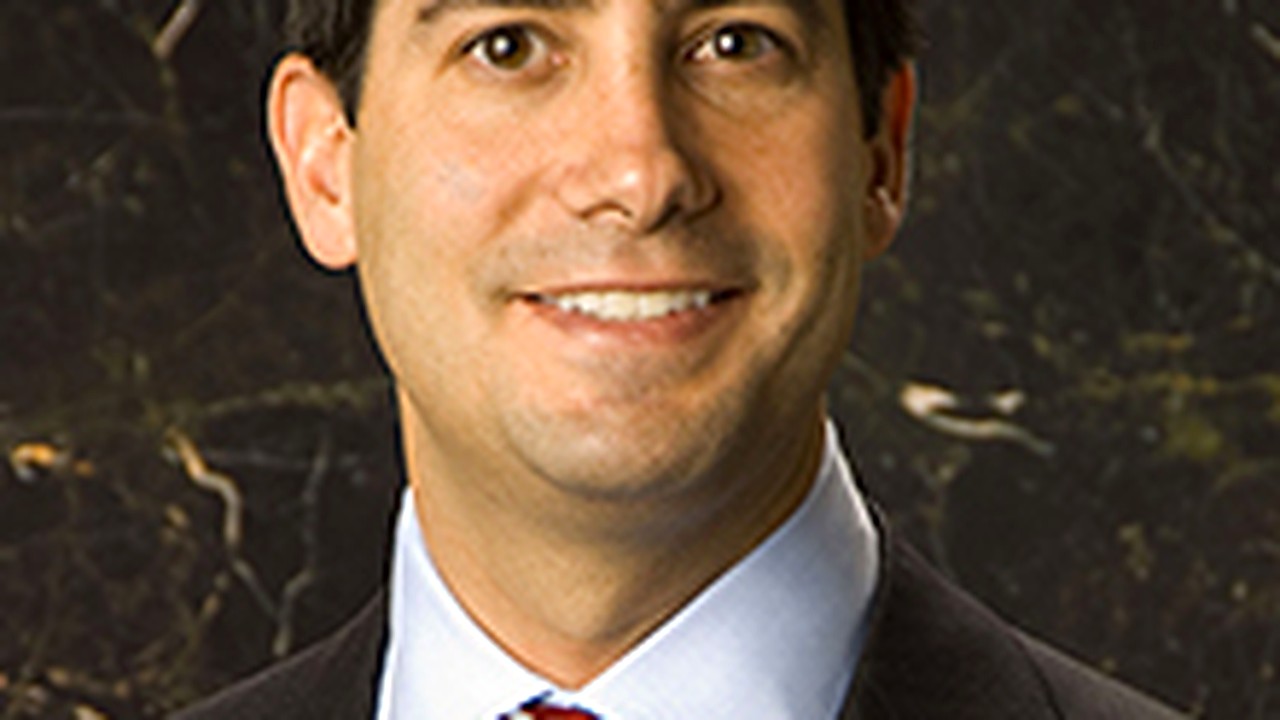
Sen. Thom Tillis of North Carolina has dropped his blockade of President Donald Trump’s nominee to lead the Federal Reserve, removing a key procedural obstacle and clearing a path for Kevin Warsh’s confirmation.
Tillis’ move allows the nomination to move forward in the Senate after a period in which the Republican senator had been preventing progress on the pick. With the hold lifted, Senate action can proceed on Warsh, a former Federal Reserve governor who has been tapped to become the central bank’s next chair.
The development centers on the Senate’s role in confirming the Federal Reserve chair, one of the most consequential economic posts in the federal government. The chair influences interest-rate policy, financial-system oversight, and the Fed’s communication with markets and the public. A clear path to confirmation can bring stability to the leadership timeline at a moment when the central bank’s decisions are closely watched across Washington and Wall Street.
Warsh’s nomination has drawn heightened attention because the Federal Reserve chair is expected to steer policy through shifting economic conditions while maintaining the institution’s independence. Any change at the top of the Fed can affect expectations for borrowing costs, mortgage rates, and business investment, even before policy changes are made.
The procedural shift comes as other developments involving the Federal Reserve have also been moving in the background. The Justice Department has dropped a criminal probe involving Fed Chair Jerome Powell, according to published reports, a move that removes an additional layer of uncertainty around the transition and the broader political environment surrounding the central bank’s leadership.
With Tillis no longer blocking the nomination, the next steps are expected to occur quickly on Capitol Hill. A Senate panel has scheduled a vote to advance Warsh, according to The Washington Post, setting up a pathway toward a full Senate vote. The timing and margins for confirmation will depend on Senate leadership’s scheduling and the vote counts in both parties.
Tillis’ decision is significant because individual senators can slow or stall nominations, especially for high-profile posts, by withholding cooperation on procedural steps. By stepping aside, Tillis effectively signals that the Senate’s process can proceed without the bottleneck that had been complicating Trump’s pick for the central bank’s top job.
Warsh now faces the remaining stages of the confirmation process, including committee action and final consideration by the full Senate. Until those votes occur, the Federal Reserve’s leadership structure remains in transition, with lawmakers, markets, and economic stakeholders watching closely for the outcome.
The Senate’s next votes will determine whether Warsh takes over as chair, but Tillis’ move has ensured the nomination is no longer stuck in place.