Brockman Details Musk’s 2018 Exit From OpenAI Board
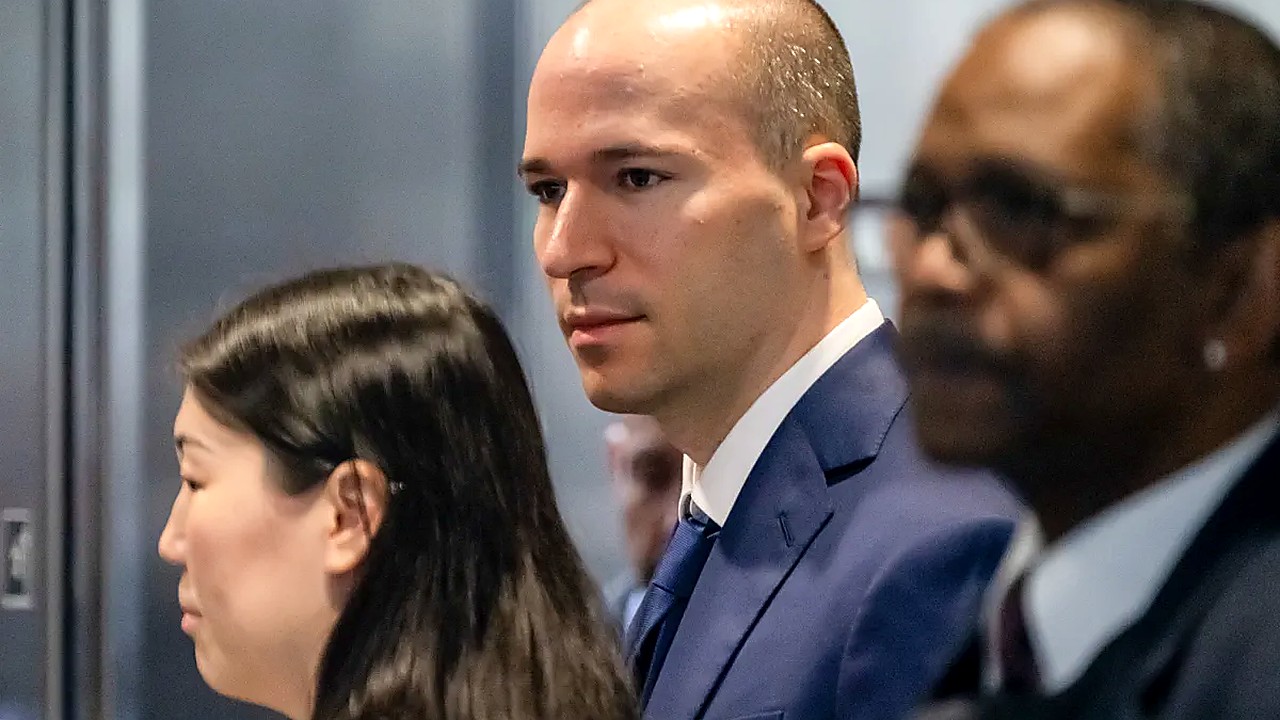
Elon Musk left OpenAI after a contentious period marked by disagreements over control, funding, and direction, according to testimony from OpenAI co-founder and president Greg Brockman.
Brockman described Musk’s departure in accounts reported by multiple outlets, including TechCrunch, the BBC, WIRED, and NBC News, as the relationship between Musk and OpenAI’s leadership deteriorated. Brockman, a co-founder of the organization, has been speaking publicly and in connection with ongoing legal proceedings involving Musk and OpenAI.
In Brockman’s telling, Musk was deeply involved in OpenAI’s early days but pushed for a structure and level of influence that OpenAI’s other leaders did not accept. Brockman has described Musk as wanting tighter control and pressing for terms that would have given him greater authority. The dispute, as Brockman recounted it, culminated in Musk leaving the organization.
Brockman also offered a more personal account of the split. In an interview cited in headlines from the BBC and WIRED, Brockman said he feared Musk might physically attack him during a tense interaction, describing a moment when he “actually thought he was going to hit” him. NBC News similarly reported Brockman said he feared Musk would “physically attack” him. Brockman’s comments underscored how fraught the relationship had become at the time.
The recollections have landed amid a broader legal and public fight between Musk and OpenAI that has placed the company’s origin story and internal decision-making under renewed scrutiny. That matters because OpenAI is one of the most influential organizations in artificial intelligence, and Musk remains a central figure in the tech industry. Competing narratives about OpenAI’s founding, governance, and early financing have become part of the dispute now playing out in court and in public.
The conflict has also produced fresh details about communications between the parties as litigation approached. CNBC reported that Musk texted Brockman about settlement two days before trial began. The New York Times reported on courtroom questioning that pressed Brockman on his personal wealth, reflecting how closely the case is examining money, influence, and credibility around the company’s leadership.
Other trial-related reporting has highlighted how heated the proceedings have become. Fortune described the case as generating “more heat than light” over who should control AI, capturing the larger stakes that hang over the legal fight even as individual witnesses recount specific moments and decisions from years ago.
What happens next is expected to be shaped by continued testimony and further presentation of evidence in the legal dispute between Musk and OpenAI. Brockman’s account of Musk’s departure, including his statements about the intensity of their interactions, is likely to remain a focal point as lawyers and the public parse how one of OpenAI’s founders became one of its most prominent adversaries.
For now, Brockman’s version of events offers a stark portrait of a breakup that has moved from boardroom disagreement to courtroom battle.