Trump Flags Taiwan Arms Sales Ahead Of Planned Xi Meeting
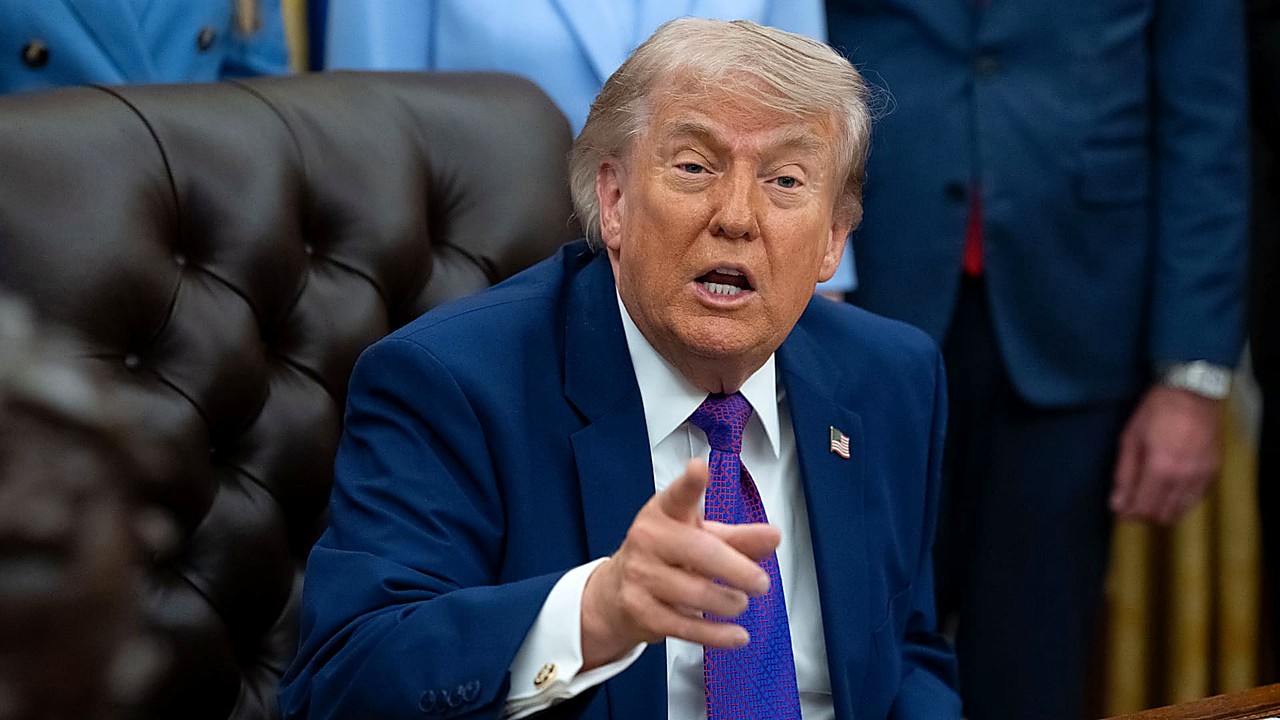
Former President Donald Trump is set to put U.S. arms sales to Taiwan and the imprisonment of Hong Kong activist Jimmy Lai on the agenda ahead of his planned meeting with Chinese President Xi Jinping, according to recent reports.
The development adds two sensitive issues to the list of topics expected to be discussed as Trump prepares for talks in Beijing. Taiwan’s security and U.S. support for the self-governing island remain among the most contentious points in U.S.-China relations, and Beijing has repeatedly objected to Washington’s weapons sales to Taiwan.
Trump is also expected to raise the case of Lai, a jailed pro-democracy figure in Hong Kong. Lai has become an international focal point for concerns about political freedoms in the city since Beijing imposed tighter control and Hong Kong authorities pursued high-profile prosecutions under national security-related cases.
The agenda items are emerging alongside broader attention on how the two leaders will handle strategic competition and technology controls. CNBC has framed the meeting as a test that includes disputes over artificial intelligence restrictions and other measures that have become central to the economic and security rivalry between the world’s two largest economies.
The inclusion of Taiwan arms sales signals that Washington’s defense relationship with Taipei will remain a central topic even as the U.S. and China engage at the highest levels. Arms transfers have long been treated by Beijing as a red line, while U.S. leaders have defended the policy as part of maintaining stability in the Taiwan Strait.
Bringing up Lai’s imprisonment elevates human rights and political freedoms back into the highest-profile channel of bilateral dialogue. For Beijing, Hong Kong is a domestic matter. For U.S. officials and many lawmakers, prominent cases like Lai’s are viewed as indicators of the direction of governance and civil liberties in the city.
How these issues are addressed matters because they touch the core questions shaping the relationship: deterrence and conflict risk around Taiwan, and the credibility of international commitments and norms related to political rights. They also complicate any effort to stabilize ties, given that both subjects are politically charged and closely watched by domestic audiences in both countries.
Next steps will hinge on what the leaders say publicly and privately once the meeting takes place. Any concrete outcomes would likely come in the form of statements, readouts, or follow-on diplomatic engagement after the summit. The meeting is expected to be a focal point for markets, allies, and regional governments seeking clarity on where the relationship is heading.
The talks will proceed with heightened scrutiny, as Taiwan and Hong Kong remain two of the most consequential and sensitive tests of U.S.-China relations.