Taiwan Envoy In U.S. Seeks Peace, Blames China For Tensions
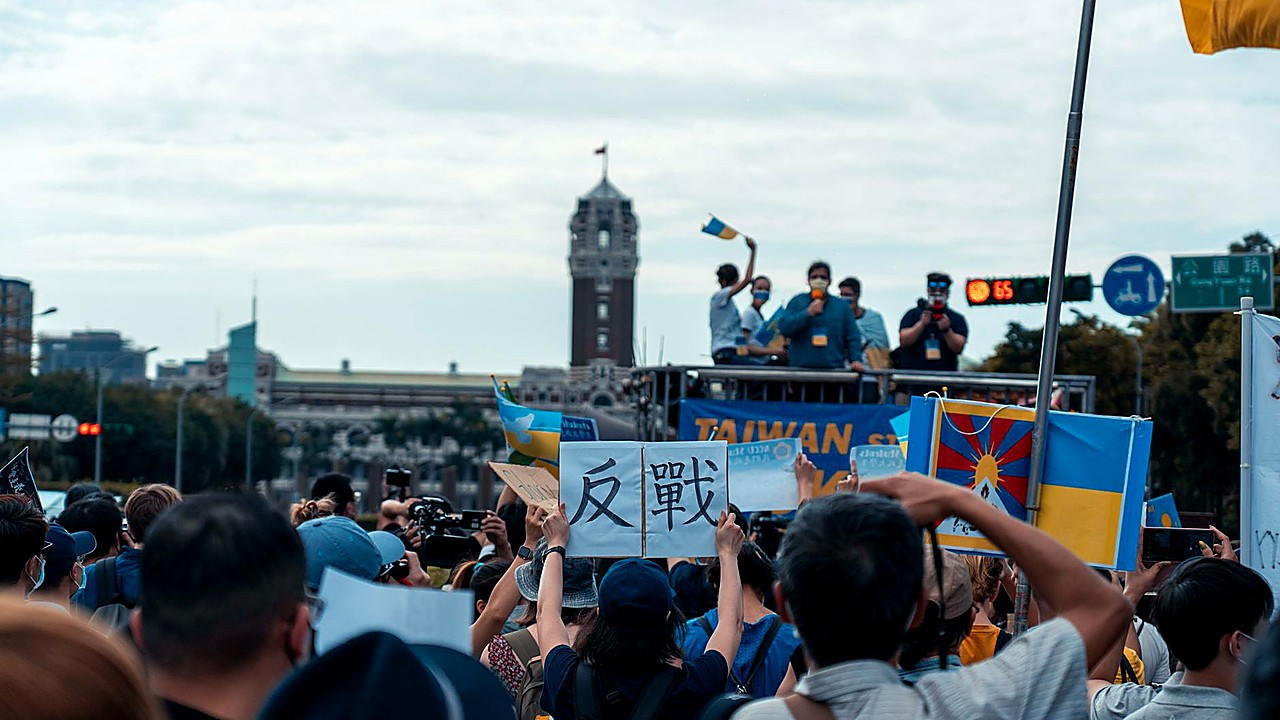
Taiwan’s representative to the United States, Alexander Yui, said Taiwan “want[s] peace and stability” but is “not the ones creating all this trouble” with China, in remarks aired Sunday on CBS News’ “Face the Nation with Margaret Brennan.”
Yui made the comments during an interview on the CBS public affairs program, according to the network’s transcript dated May 17, 2026. The exchange focused on cross-strait tensions and Taiwan’s position as it faces pressure from Beijing.
In the interview, Yui emphasized Taiwan’s stated preference for maintaining peace and stability in the region while rejecting the idea that Taiwan is responsible for escalating tensions with China. His remarks were presented as a response to the broader debate in Washington over how the United States should approach security, diplomacy, and deterrence in the Indo-Pacific.
Yui serves as Taiwan’s representative to the U.S., a role that functions as Taipei’s top envoy in Washington. Taiwan does not maintain formal diplomatic relations with the United States, but it operates representative offices and maintains extensive unofficial ties that include trade, cultural exchanges, and security cooperation.
The comments come as the U.S. political conversation continues to spotlight China-Taiwan relations. A separate recent headline referenced former President Donald Trump saying he wants China and Taiwan to “cool down,” underscoring how the issue has become a recurring subject in American politics, particularly during moments of heightened attention to national security and foreign policy.
Yui’s remarks matter because they reflect Taiwan’s ongoing effort to frame itself as a responsible actor seeking stability, while urging international audiences to focus on the sources of friction in the Taiwan Strait. The message is aimed at reinforcing support for Taiwan’s posture and keeping attention on regional security concerns that involve major powers.
The stakes are significant for U.S. interests. Washington has long described peace and stability across the Taiwan Strait as important to regional security and global economic confidence. Any sustained deterioration in the security environment would reverberate through defense planning, diplomacy with allies and partners, and commercial activity tied to the Indo-Pacific.
What happens next will depend on how U.S. officials and political leaders respond publicly in the coming days and how the discussion on Taiwan policy unfolds across the administration and Congress. “Face the Nation” transcripts and follow-up interviews often shape subsequent messaging as officials clarify positions and respond to questions raised on national television.
For Taiwan, Yui’s appearance signals continued engagement with U.S. media and policymakers as Taipei presses its case that its priorities are stability and deterrence, not provocation. His comments add to a steady drumbeat of public diplomacy intended to keep Taiwan’s perspective in the center of the U.S. conversation.
Yui’s core message was direct: Taiwan says it wants peace, and it rejects the claim that it is responsible for the tensions now defining its relationship with China.