Trust Takes Center Stage In Musk-OpenAI Court Showdown
Trust has emerged as a central theme in the courtroom fight between Elon Musk and OpenAI, as jurors weigh competing accounts of what was promised in the organization’s early days and what changed as it grew into a leading artificial intelligence company.
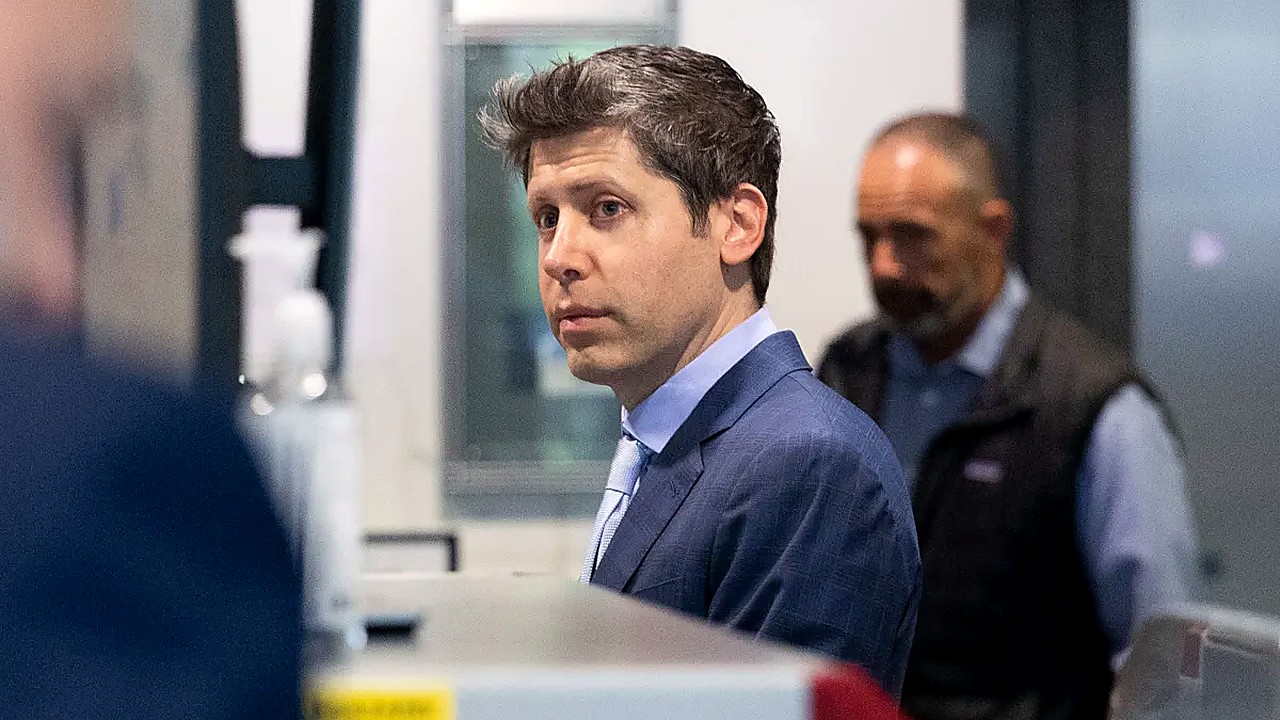
The case, commonly framed as Musk v. Altman, has featured testimony and closing arguments that repeatedly return to credibility: what key players said they intended, what they told one another, and what they represented to the public. Several reports described jurors confronting “tangled questions of trust, timing and AI,” with particular attention on OpenAI CEO Sam Altman’s statements under oath and how jurors interpret them.
The dispute is rooted in OpenAI’s origins and evolution. Musk, a prominent tech executive and investor, is suing OpenAI and Altman, alleging wrongdoing tied to the company’s trajectory. OpenAI has defended itself against Musk’s claims, and the case has played out in a high-profile trial that has drawn sustained attention across technology and business media.
As the trial progressed into later stages, coverage emphasized how much the outcome may depend less on technical arguments about AI and more on jurors’ assessment of the people involved. A Week 3 trial analysis noted jurors grappling with trust and timing. Another report focused on testimony that raised questions about trust in Altman. A separate account described observers’ reactions to Altman’s demeanor on the stand, underscoring how courtroom impressions can shape how a jury processes disputed narratives.
The development matters because the trial touches on confidence in the leadership of one of the most influential AI organizations in the United States. OpenAI’s products and research have helped accelerate adoption of generative AI, and scrutiny of its governance and decision-making is being tested in a public legal forum. For the broader tech sector, the case also highlights the high stakes that can emerge when early relationships and informal understandings collide with later growth, organizational change, and commercial pressure.
It also matters for how the public evaluates institutions operating at the frontier of AI. The trial has effectively placed the credibility of key executives under a spotlight, as well as the integrity of how organizations communicate mission, commitments, and internal decision-making. In that context, “trust” becomes more than a rhetorical framing; it is part of what jurors are being asked to judge as they consider the evidence and testimony.
What happens next is that jurors will decide the case. One headline described the suit as being “in the jury’s hands,” signaling that the evidentiary phase has concluded and the proceedings have reached a decision point. Any verdict would be expected to be followed closely across the technology industry, given the high-profile parties involved and the attention the trial has already generated.
Until jurors return with their decision, the clearest throughline remains the same: in a courtroom battle over OpenAI’s past and future, trust in the people telling the story is at the center of what must be resolved.