Nvidia Says It Has Largely Conceded China AI Chip Market To Huawei
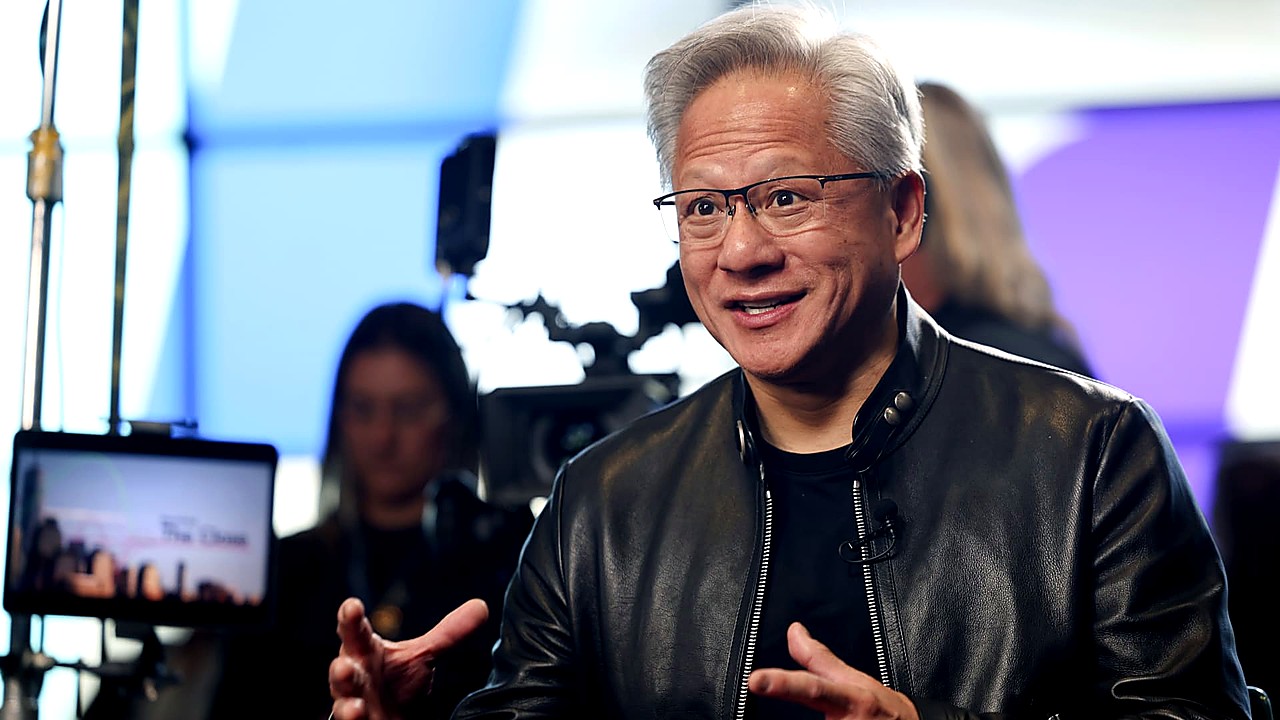
Nvidia CEO Jensen Huang said the company has “largely conceded” China’s market for artificial intelligence chips to Huawei, acknowledging the Chinese technology giant’s growing strength in the sector.
Huang’s comments underscore how difficult it has become for U.S. chipmakers to compete in China’s fast-moving AI hardware market. Nvidia has been the dominant supplier of AI accelerators globally, but it now says Huawei has taken the lead inside China.
The remarks center on AI chips used to train and run large-scale AI models in data centers, a category that has become one of the most strategically important segments in the semiconductor industry. Nvidia’s products have been widely used by cloud providers, research labs and enterprises for AI workloads, and the company’s business has been closely watched as AI spending grows.
Huawei is a major Chinese electronics and telecommunications company that has expanded its capabilities in chips and data center infrastructure. Huang described Huawei as “very, very strong,” according to reports of his comments tied to the development.
The acknowledgment matters because China is one of the world’s largest technology markets, and AI infrastructure spending is a key battleground for both revenue growth and long-term platform influence. Losing access to a major national market can reshape competitive dynamics, affect supply chains and shift where developers build software and optimize performance.
It also highlights a broader split in the global AI hardware landscape, with different ecosystems potentially emerging in different regions. If customers in China standardize on Huawei’s AI hardware, that can reinforce Huawei’s position through software tooling, developer support and system integrations that become harder to displace over time.
For Nvidia, the statement signals the limits of its reach in a market where domestic alternatives have gained ground. Even as the company continues to post strong demand in other regions, China’s AI chip market is large enough that changes there can have meaningful implications for overall industry share and for the pace at which competitors scale.
What happens next will depend on how quickly Chinese customers continue adopting Huawei’s AI chips and systems, and how Nvidia positions its business outside China as global AI data center buildouts expand. Investors and industry customers will be looking for further updates from Nvidia leadership on regional demand, product roadmaps and competitive conditions.
Huang’s blunt assessment marks a rare public concession from the market leader and signals that Huawei has become the defining rival in China’s AI chip race.