Iran Reviews U.S. Peace Proposal As Trump Signals Patience
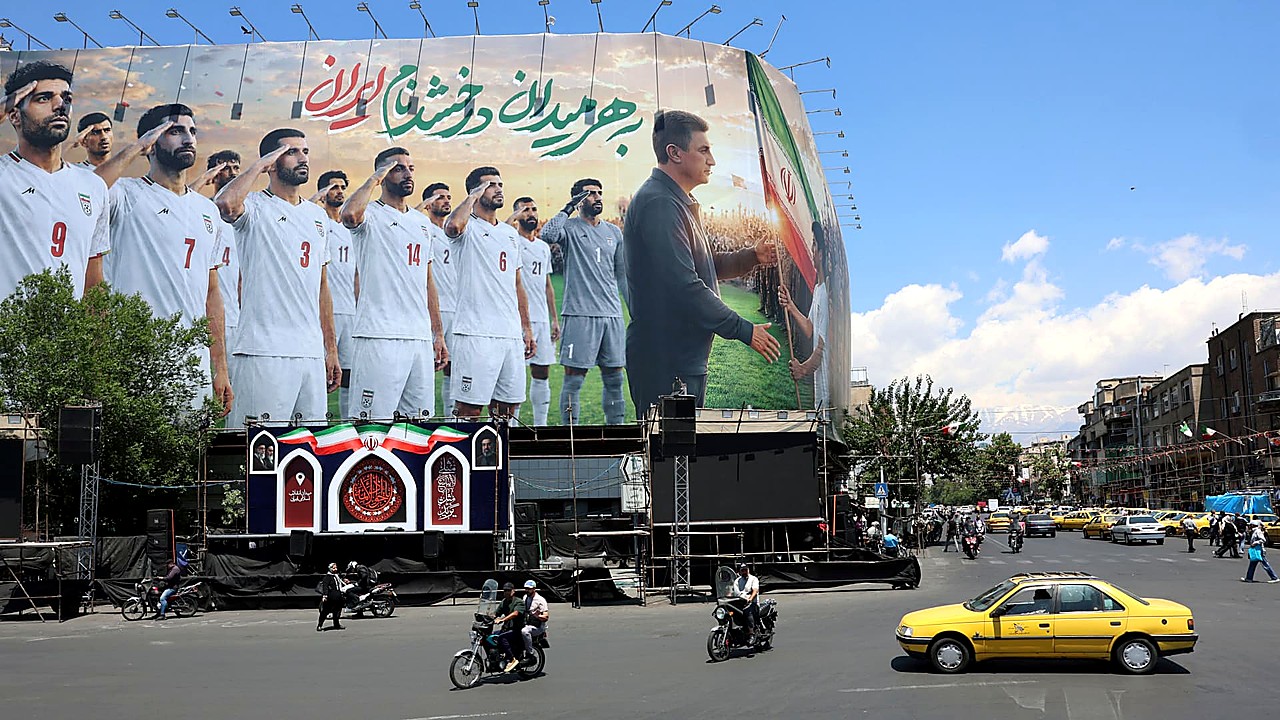
Iran is reviewing a U.S. peace proposal as President Donald Trump said he is willing to wait “a few days” for Tehran’s response, describing the talks as being in the “final stages” while warning that renewed attacks remain possible if no agreement is reached.
Trump’s comments were reported by Reuters and came as multiple outlets said Iran is considering a U.S. proposal that was delivered through an intermediary. Haaretz cited Iranian reports saying the proposal was submitted via Pakistan. Public details of the proposal’s terms were not provided in the available reports.
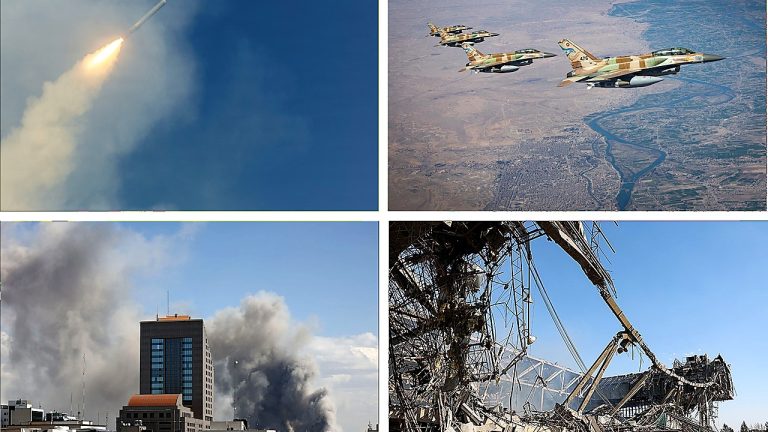
Speaking about the timeline, Trump said he could wait “a few days” to get what he called the “right answer” from Iran. In separate reporting, CNN said Trump indicated he would “hold off” on attacking Iran on Tuesday but instructed the military to be ready “on a moment’s notice.”
The developments underscore a moment of heightened stakes in the U.S.-Iran standoff, with diplomacy and the prospect of military action both being invoked by the U.S. president in close succession. Trump’s framing of the talks as nearing a conclusion suggests the administration believes it has put forward an offer it expects Tehran to accept or reject in the near term.
For Iran, the review process signals that Tehran has not dismissed the proposal outright, but it has also not committed publicly to any outcome. The use of an intermediary channel, as described in the reporting, reflects the sensitivity and complexity of the communications.
This matters because it places immediate focus on whether the parties can reach an understanding that reduces the risk of escalation. Trump’s simultaneous message of patience and threat highlights the narrow window he is describing: limited time for an answer, paired with the possibility of swift military action if talks fail.
The situation also carries implications for regional security and for how future U.S. engagement with Iran is conducted. A deal, if reached, could reshape the trajectory of U.S.-Iran relations, while a breakdown could intensify tensions and increase the risk of conflict.
What happens next depends on Iran’s decision and the U.S. response. Trump has signaled he expects an answer within days, and that the U.S. is prepared to act quickly if he deems it necessary. Iranian officials, as reflected in the reports, are in a review phase, with no publicly confirmed timetable for a final response.
In the meantime, the posture described by the U.S. president indicates that military readiness is being maintained alongside diplomatic outreach. Any formal acceptance, rejection, or counterproposal from Iran would be a pivotal next step, as would any subsequent statement from the White House clarifying whether the U.S. will continue to wait or shift to a different course.
With Iran weighing the proposal and Trump setting a short clock for an answer, the next few days are positioned to determine whether the talks conclude with an agreement or a new escalation.