Trump Delays AI Executive Order, Citing Objections To Provisions
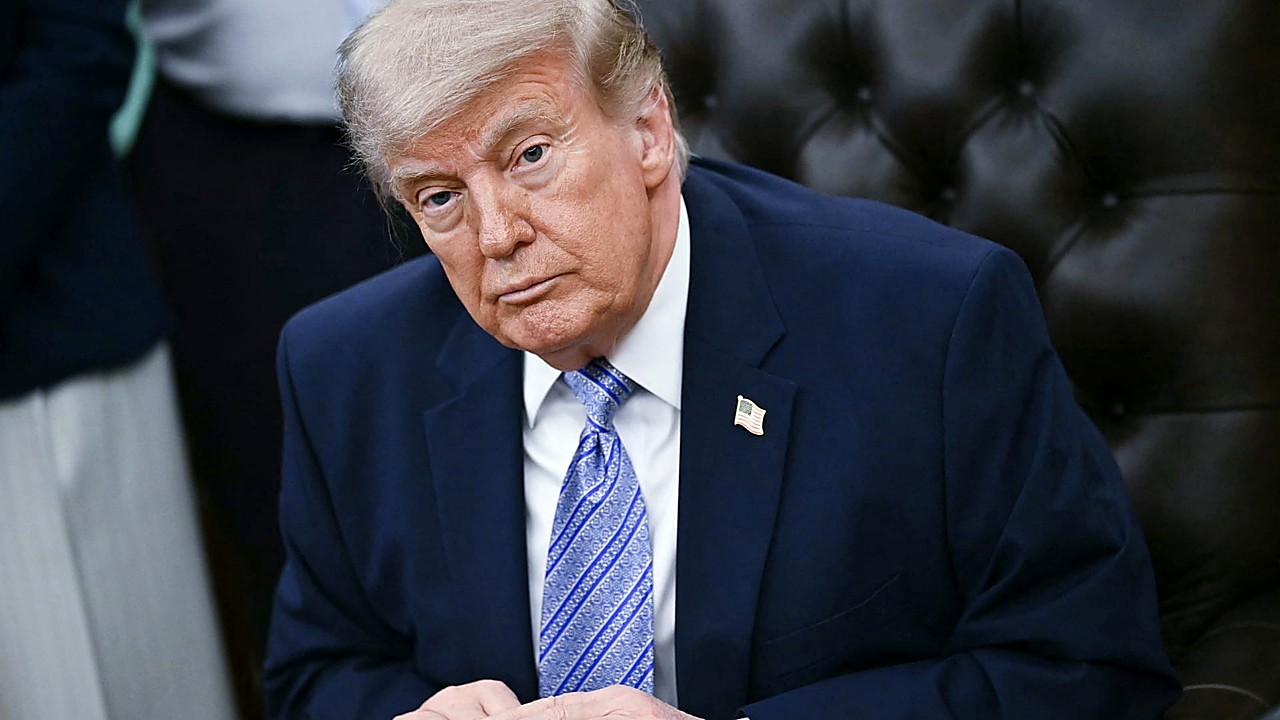
Former President Donald Trump has postponed the signing of a long-awaited executive order on artificial intelligence, saying he was not satisfied with parts of the document.
Trump made the decision after reviewing the order and concluding that “I didn’t like certain aspects,” according to accounts carried by multiple outlets. The executive action had been expected as a major policy step addressing fast-developing AI technology.
The postponed order was being prepared under Trump’s direction and was described as an artificial intelligence-focused executive order. Trump indicated the delay was tied to objections to portions of the text, rather than a rejection of the idea of issuing an AI order altogether.
The move leaves the timing and final content of the executive order uncertain. Trump has not, in the information available, specified which provisions he objected to or what changes he wants made before he would proceed with signing.
The postponement is significant because an executive order can set the direction for how the federal government approaches AI, including priorities for agencies and potential guidance for industry engagement. AI has rapidly become a central issue for government and business, touching everything from economic competition to the use of new technologies in daily life.
Because executive orders can be issued quickly, they are often used to establish policy frameworks while broader debates continue. A delay, even a short one, can affect expectations among agencies and stakeholders preparing for new directives.
For the public, the development underscores that the shape of any forthcoming federal AI action remains in flux. Without a signed order, there is no finalized set of instructions to implement, and there is no official text to evaluate for its scope, enforcement, or impact.
What happens next will depend on whether the draft is revised to address Trump’s concerns and when he decides the document is ready. A new signing date has not been provided in the reporting cited, and there has been no public release of a final version of the order in the context available.
Until the order is signed, any proposed changes to federal policy on artificial intelligence connected to this action remain pending. The postponement leaves the process at a standstill, with attention shifting to whether a revised version emerges and how quickly it moves forward.
For now, the executive order remains unsigned, with Trump signaling that changes are needed before it will proceed.