Xreal Says New Google Smartglasses Tackle Core AR Challenges
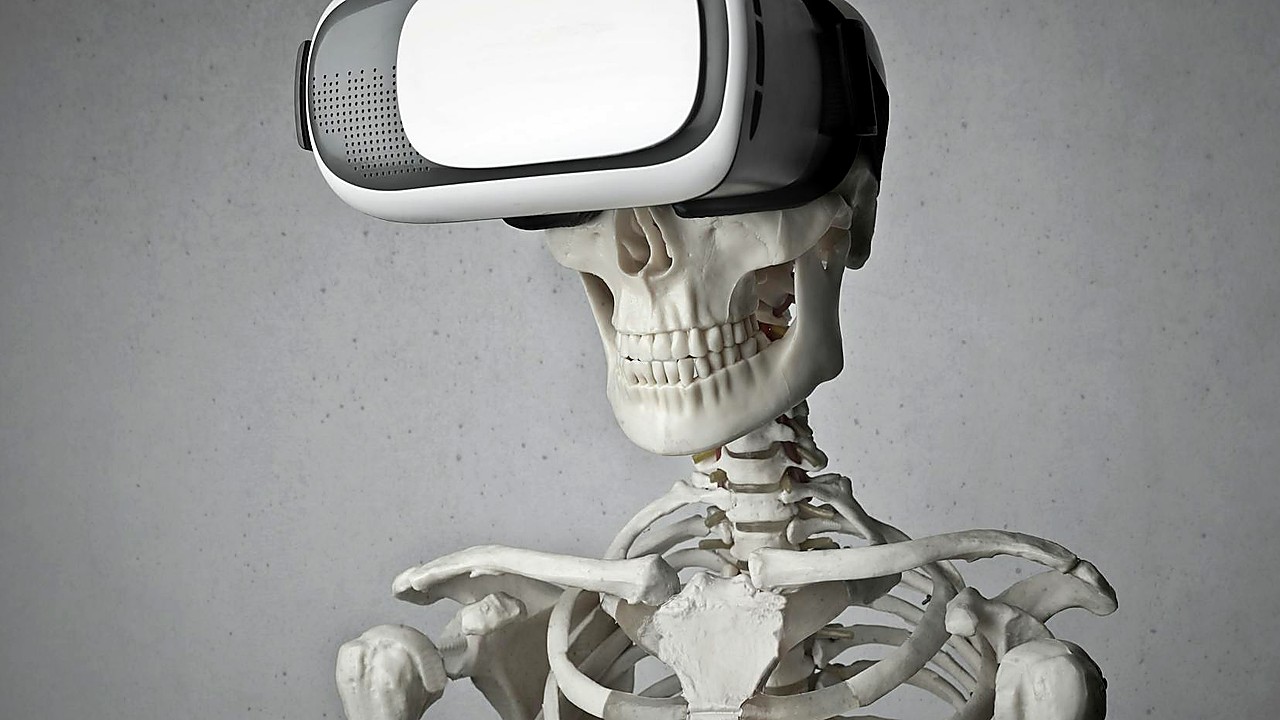
Xreal, a smartglasses maker partnering with Google, is publicly signaling new confidence that it has solved core challenges that have long made consumer smartglasses a difficult business.
The company, Xreal, has positioned itself as Google’s smartglasses partner as the industry ramps up work on Android XR, Google’s extended-reality software effort. In recent coverage, Xreal said it believes it has “finally mastered” a notoriously tricky industry, an assertion that underscores how high the stakes remain for a category that has repeatedly struggled to break into the mainstream.
Xreal’s claim lands at a moment when big technology companies and hardware partners are again pushing into head-worn computing, with Android XR partnerships pointing toward additional devices on the horizon. The category includes smartglasses and other XR wearables that aim to blend digital content into a user’s view, often while remaining lighter and more socially acceptable than full headsets.
The smartglasses market has been difficult for years, in part because it asks companies to balance competing demands at once: hardware that is comfortable and stylish enough for daily wear, displays that are bright and clear, batteries that last, and software that is useful without being intrusive. Any weakness can derail adoption, and the history of the sector is filled with products that generated early attention but failed to find sustained consumer demand.
For Google, working with a partner like Xreal is a way to extend Android XR beyond in-house prototypes and into consumer devices built by companies focused specifically on eyewear hardware. For Xreal, alignment with Google’s platform can help with developer support, app integration, and broader ecosystem credibility—areas that can determine whether a wearable becomes a niche gadget or something closer to an everyday device.
This development matters because the next phase of XR is increasingly defined by partnerships rather than single-company bets. If Android XR partners deliver multiple devices in 2026, as has been reported in related coverage, companies like Xreal will be central to whether those products feel ready for a wider audience. The sector’s track record means confidence alone isn’t enough; the market is likely to judge progress by what ships, how it performs, and whether customers keep using it after the novelty fades.
What happens next will be driven by product execution and the rollout of additional Android XR hardware from partners. That includes whether Xreal and others can bring devices to market that meet expectations around comfort, utility, and reliability, while also supporting software experiences that justify putting a computer on your face.
For an industry that has repeatedly promised a new era of computing, the next set of releases will be a real-world test of whether smartglasses can finally move from persistent experiment to durable category.