Israel Seizes Crusader-Era Castle In South Lebanon Push
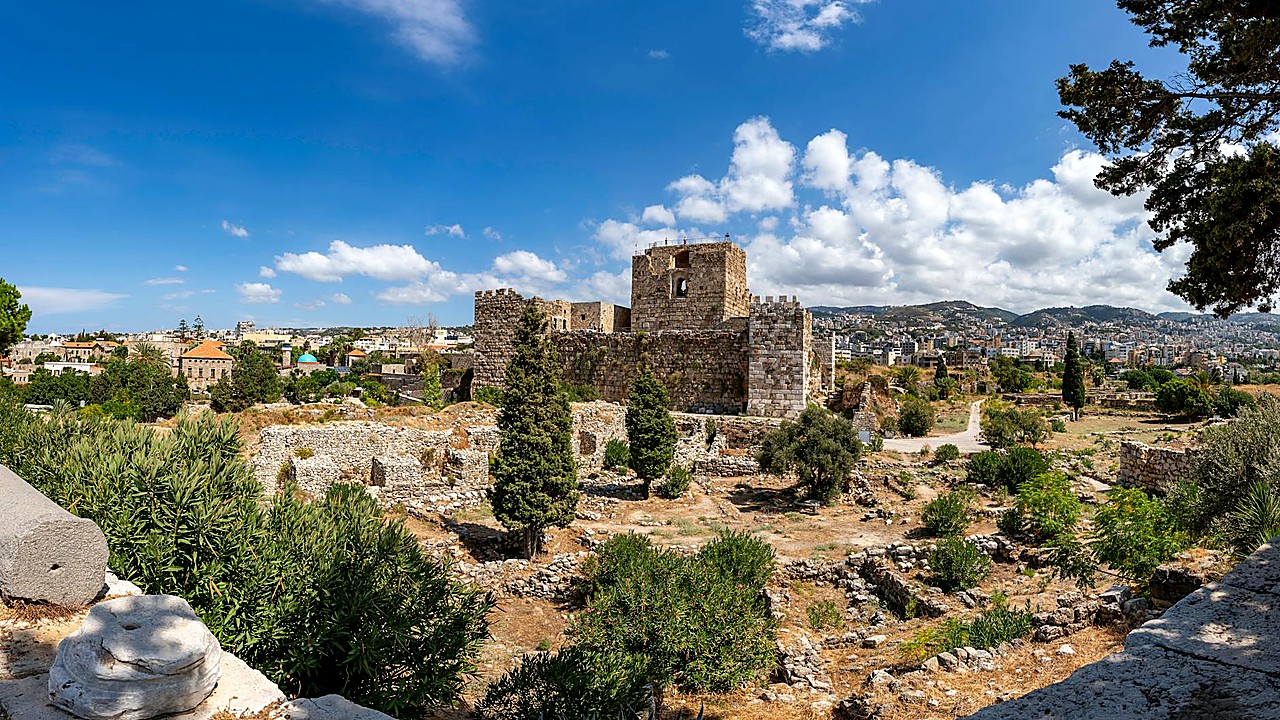
Israel said its forces seized Beaufort Castle in southern Lebanon as troops expanded a ground offensive in the area, marking a new phase of operations in the cross-border conflict.
The Israel Defense Forces announced the capture of the historic hilltop fortress, also known as Qala’at al-Shqif, describing it as a strategic position. Multiple news outlets reported that Israeli troops raised an Israeli flag at the site after taking control.
Beaufort Castle sits on elevated terrain in southern Lebanon, overlooking surrounding valleys and routes. Because of its location, control of the site is widely viewed as militarily significant in any campaign focused on southern Lebanon.
The reported seizure comes as Israel says it is conducting a “large-scale” offensive in southern Lebanon. Several headlines described the move as an expansion of Israel’s ground operation, with reporting framing the castle’s capture as a notable advance.
The development matters because it signals that Israeli ground forces are operating in and around key terrain in southern Lebanon, areas that have long been focal points in clashes involving Hezbollah. Holding high ground can offer advantages for observation, defensive posture, and control of movement in nearby corridors.
It also underscores the intensity and scope of the current fighting. A military announcement that highlights a specific landmark and emphasizes its strategic value suggests the operation is not limited to small, localized actions but includes efforts to take and hold prominent positions.
The castle itself is a well-known historical site in Lebanon. Any fighting in or near such locations raises broader concerns about the impact of military operations on civilian areas and cultural landmarks, even as the principal focus remains the battlefield implications.
In the near term, attention will center on whether Israeli forces consolidate their position at the castle and how long they maintain control. Further updates from the Israeli military, along with on-the-ground reporting from southern Lebanon, are expected to clarify the scope of the operation around Beaufort and whether it is part of a wider push in the region.
Israel has framed its ground operations as part of its campaign against Hezbollah. Hezbollah’s response, and any subsequent escalation along the border, will be closely watched for indications of whether the conflict is spreading further into Lebanese territory.
For now, Israel’s announcement that it has seized Beaufort Castle stands as a clear marker of expanding ground action in southern Lebanon and a reminder of how quickly the conflict is reshaping the map of contested positions.