SpaceX IPO Debut Caps Rally To $2 Trillion Market Value
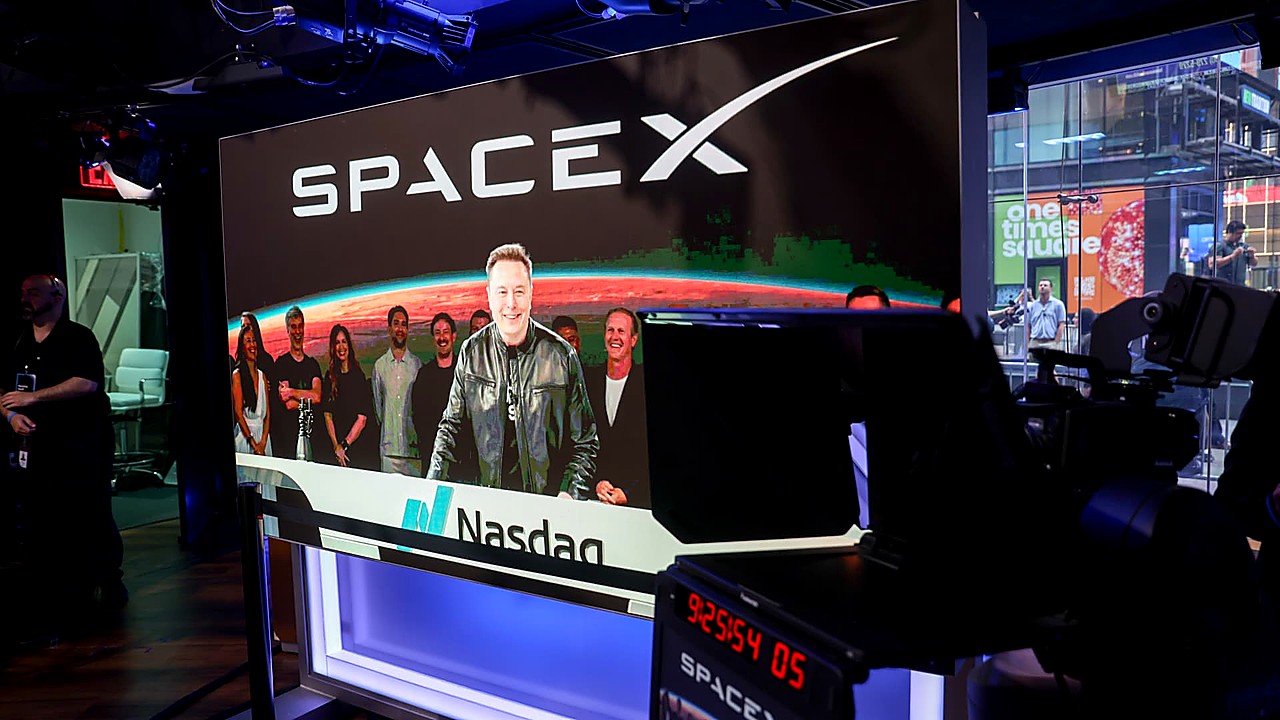
SpaceX has gone public in a blockbuster debut that valued the company at more than $2 trillion, according to multiple published reports, marking one of the largest and most closely watched initial public offerings in modern market history.
The offering priced at $135 a share, with reports describing an opening-day surge that pushed the implied valuation above the $2 trillion mark. Fortune reported SpaceX stock closed its first day of trading at $161.11. Another published report said shares rose about 11% in a strong Nasdaq debut following what was described as a $75 billion IPO.
SpaceX is led by Elon Musk, the company’s CEO. Several outlets reported that the IPO’s valuation and first-day performance propelled Musk to a new milestone: becoming the world’s first trillionaire. Published accounts also noted Musk has previously described SpaceX’s early prospects as slim, with one headline citing a “less than 10%” chance of success.
The IPO represents a major shift for SpaceX, which had long operated as a private company and a centerpiece holding for venture and private-market investors. A valuation above $2 trillion places SpaceX among the most valuable companies in the world, and a high-profile debut of this scale can reverberate across public markets, influencing investor appetite for other large offerings and setting a new benchmark for how investors value companies in the space and aerospace sector.
The early trading also immediately put scrutiny on the company’s price tag. One headline referenced Uday Kotak questioning the valuation and suggesting only time would tell whether markets are in a “mega bubble.” That push-and-pull is typical after a record-setting IPO: early demand can lift a stock quickly, while skeptics focus on the risk that expectations have run ahead of fundamentals.
For Musk, the public listing adds another market-driven scoreboard to a business already defined by ambitious targets and high visibility. Public ownership also creates a new class of stakeholders and the kinds of pressures that come with quarterly expectations, broader disclosures, and investor communication requirements that private companies can avoid.
What happens next will be shaped by how SpaceX stock trades in the days ahead as the market digests the new shares. Investors will also watch for any follow-on announcements tied to the offering and any subsequent regulatory filings associated with a newly public company. As with many major debuts, attention will turn to whether the stock can hold its gains after the initial excitement fades and broader market conditions shift.
SpaceX’s IPO begins a new chapter for the company and its investors, and its first day on the public markets has already set a historic marker that Wall Street will be measuring for a long time.