Trump Declares Victory Over Iran as Deal Omits Nuclear Limits
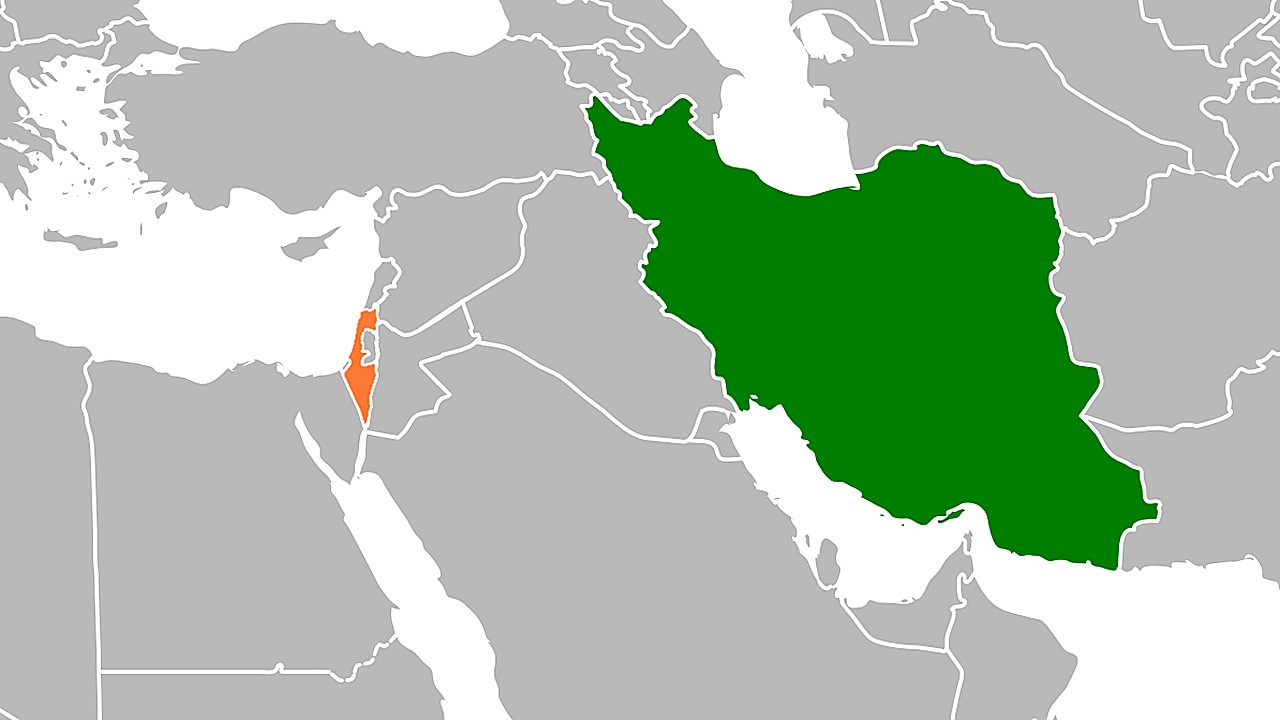
President Donald Trump declared a victory over Iran as the United States and Iran announced they had reached a deal to end the fighting, according to The Washington Post. The agreement, as described in recent reporting, is silent on Iran’s nuclear weapons.
The deal was presented by both governments as a way to halt a damaging conflict and reopen critical passage through the Strait of Hormuz, a strategic chokepoint for global shipping. Trump framed the outcome as a win for the United States, even as key provisions that have long dominated U.S.-Iran tensions were not addressed in the terms publicly described.
The Washington Post reported that the agreement has been met with cautious relief in the Middle East and worldwide, reflecting the immediate stakes of stopping hostilities and reducing the risk of broader regional escalation. At the same time, the Post reported that the deal is drawing skepticism and scrutiny on Capitol Hill, where lawmakers are weighing what the arrangement does and does not accomplish.
In recent coverage, the Post also described the negotiations as uneven and shifting, with bargaining that moved in a zigzag pattern before arriving at what it called an Iran framework. That broader context has shaped how the agreement is being received: as a significant step toward ending active fighting, but not a comprehensive settlement of the disputes that have fueled confrontation between Washington and Tehran.
The development matters because it separates an urgent cease-fire objective from longer-term security concerns that have driven U.S. policy for decades. Ending active fighting can immediately reduce casualties and stabilize commercial traffic in the region. But the absence of language on nuclear weapons leaves unresolved one of the most consequential and politically fraught issues in the relationship, setting up the prospect of renewed conflict over the same underlying questions.
It also matters domestically. The Post reported that lawmakers are already scrutinizing the agreement, a signal that the administration’s claims of success may face pointed questions about enforcement, durability, and whether the deal meaningfully changes Iran’s capabilities or intentions beyond ending the current round of fighting.
Next, attention is expected to shift to how the deal is implemented and monitored, and how the administration explains the agreement’s scope to Congress and the public. Questions on Capitol Hill are likely to focus on what commitments were made by each side, what mechanisms exist to prevent violations, and what additional negotiations—if any—will be pursued on nuclear and other security matters.
For now, Trump is claiming a decisive outcome, but the agreement’s silence on nuclear weapons ensures the most sensitive part of the U.S.-Iran standoff remains unsettled.