Bank Of England Holds Rates At 3.75% As Iran Truce Talks Advance
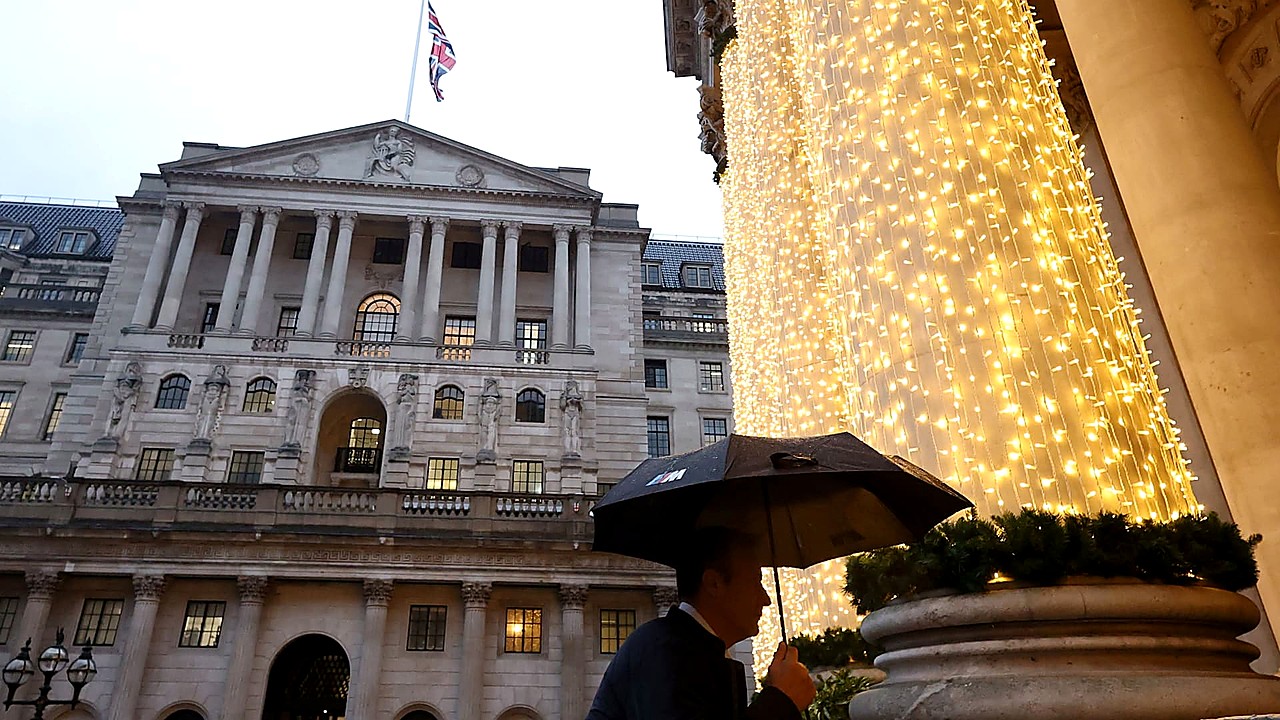
The Bank of England kept its benchmark interest rate unchanged at 3.75% on Wednesday, holding borrowing costs steady as policymakers weigh mixed inflation signals alongside shifting expectations tied to prospects for an Iran war peace deal.
The decision, reported by CNBC, leaves the central bank’s key rate at 3.75% following a stretch in which UK price pressures have shown signs of stabilizing, while energy markets and geopolitical risks remain in focus. The move comes as broader coverage of UK inflation points to continued concern about why prices are still rising, even as the headline pace has been relatively steady in recent readings.
Inflation data in the UK has recently been described as “surprisingly benign,” with The Guardian reporting that the latest figures suggest a softer hit than some had feared from developments connected to the Iran conflict. At the same time, Forbes has noted that while inflation was stable in May, the threat of an increase during the summer remains.
Holding the rate at 3.75% keeps the Bank’s posture cautious. A pause can help avoid adding fresh pressure to households and businesses that have already been navigating higher costs, while still signaling that policymakers are not yet ready to declare victory over inflation. Rates influence everything from mortgages and consumer credit to business loans, and the Bank’s decision affects financial conditions across the UK economy.
The wider backdrop includes oil prices, which have moved lower as peace prospects have been discussed publicly. The Ealing Times reported that oil prices dropped as President Donald Trump heralded a U.S.-Iran peace deal. Energy prices can feed quickly into inflation through fuel and utility costs, and they can also shape expectations for where inflation may head next.
Still, the Bank’s decision underscores that the inflation picture is not one-directional. Industry reactions to the hold have pointed to “mixed inflation signals,” according to IFA Magazine. That suggests policymakers are balancing competing risks: easing price pressures in some areas versus the possibility that new price increases could appear later in the year.
The development matters because it sets the tone for UK borrowing costs at a time when both consumers and companies are looking for clarity on the path ahead. With inflation still a dominant concern in public debate and political coverage, the Bank’s steady hand may be read as a message that it wants more evidence before adjusting policy.
Next, attention will turn to upcoming inflation releases and further signals from the Bank about what could prompt a change in rates. Market watchers and borrowers will also be tracking energy prices and any additional developments around U.S.-Iran diplomacy, given the potential spillover into costs and confidence.
For now, the Bank has opted for continuity, keeping rates at 3.75% as it waits for clearer confirmation on inflation and the economic outlook.