Memory Chip Prices Surge, Raising Laptop And Phone Retail Costs
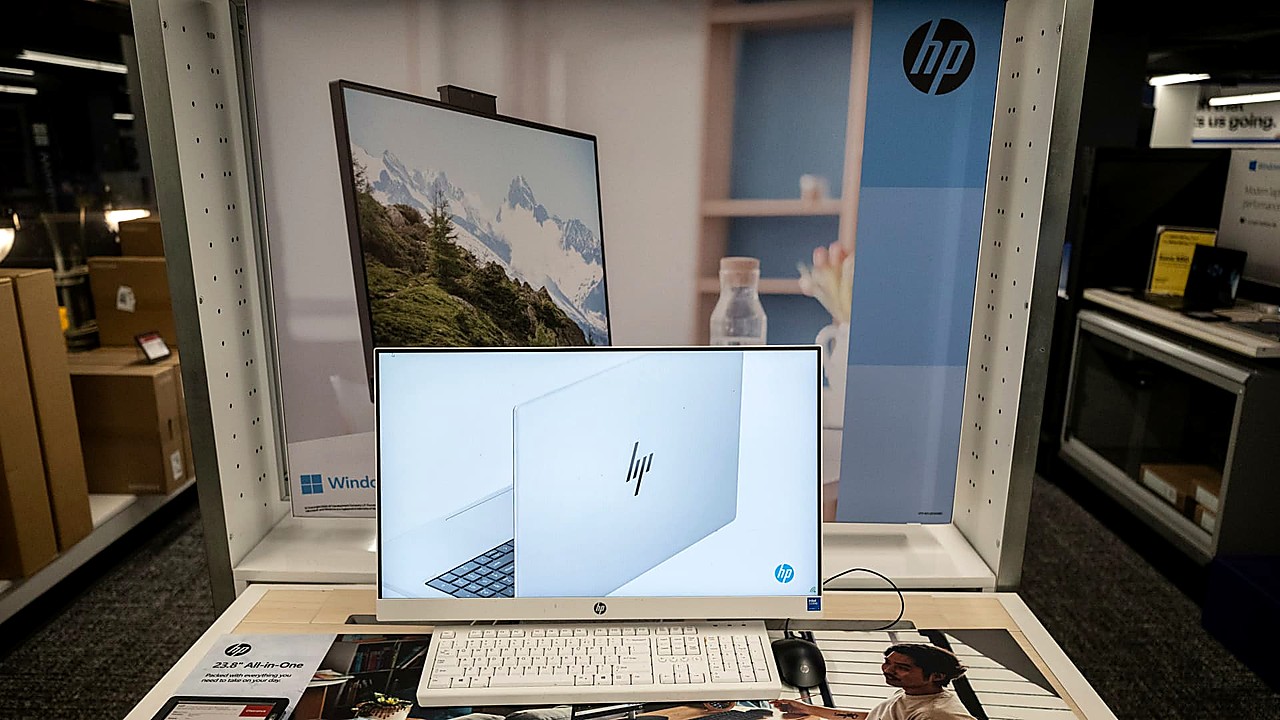
Memory chip costs are rising, increasing pressure on retailers that sell laptops and smartphones and forcing tougher decisions on pricing, promotions, and inventory ahead of major shopping periods.
The cost increases center on key components used across consumer electronics, including the memory and storage chips that go into everything from entry-level phones to premium laptops. Retailers and device makers typically lock in component orders months in advance, but sustained increases can quickly squeeze margins when final product prices are set far earlier or when promotions have already been planned.
The impact is broad because memory content has grown steadily in modern devices. Higher-capacity storage configurations and expanded memory options have become common selling points in phones, tablets, and laptops, meaning a larger share of a device’s bill of materials is tied to memory pricing. When those costs move higher, retailers are left with limited levers: raise prices, reduce discounts, shift shoppers toward lower-capacity models, or accept weaker profitability.
Recent reports have pointed to the possibility of consumer-facing price adjustments at major brands. Separate coverage has described Apple price hikes as “fairly imminent,” and other reports have said Apple has increased Mac and iPad prices in some markets as higher chip costs bite. Additional reports have cited price moves for MacBooks and iPads in India and noted higher MacBook prices in the United Arab Emirates, including a sizable increase for a Pro model.
Those examples underscore why memory pricing matters beyond the supply chain. Even when only some models or regions see adjustments, higher pricing on flagship devices can ripple through the market by changing how retailers position competing products, how carriers structure phone promotions, and how consumers time upgrades. For retailers that rely on electronics sales to drive foot traffic and online volume, weaker discounting can alter demand and the mix of products shoppers choose.
The development also arrives as buyers remain sensitive to price and value. Consumers often compare devices by storage tiers and memory configurations, and the most popular midrange options can be particularly exposed if component costs rise and brands try to protect margins. Retailers may respond by emphasizing older models, leaning more heavily on refurbished inventory where available, or steering shoppers toward configurations that are easier to keep competitively priced.
Next steps will largely be determined by how device makers and retail partners handle upcoming product cycles and promotional calendars. Retailers will watch for any updated wholesale pricing, changes to suggested retail prices, or shifts in product lineups that re-balance configurations. Device makers will also face choices about whether to absorb costs, adjust features, or reprice specific models and regions.
With memory a core ingredient in nearly every modern device, persistent increases in chip costs are poised to reshape the deals consumers see and the margins retailers can count on in laptops and smartphones.