Amazon Deploys Enough Kuiper Satellites For LEO Service Launch
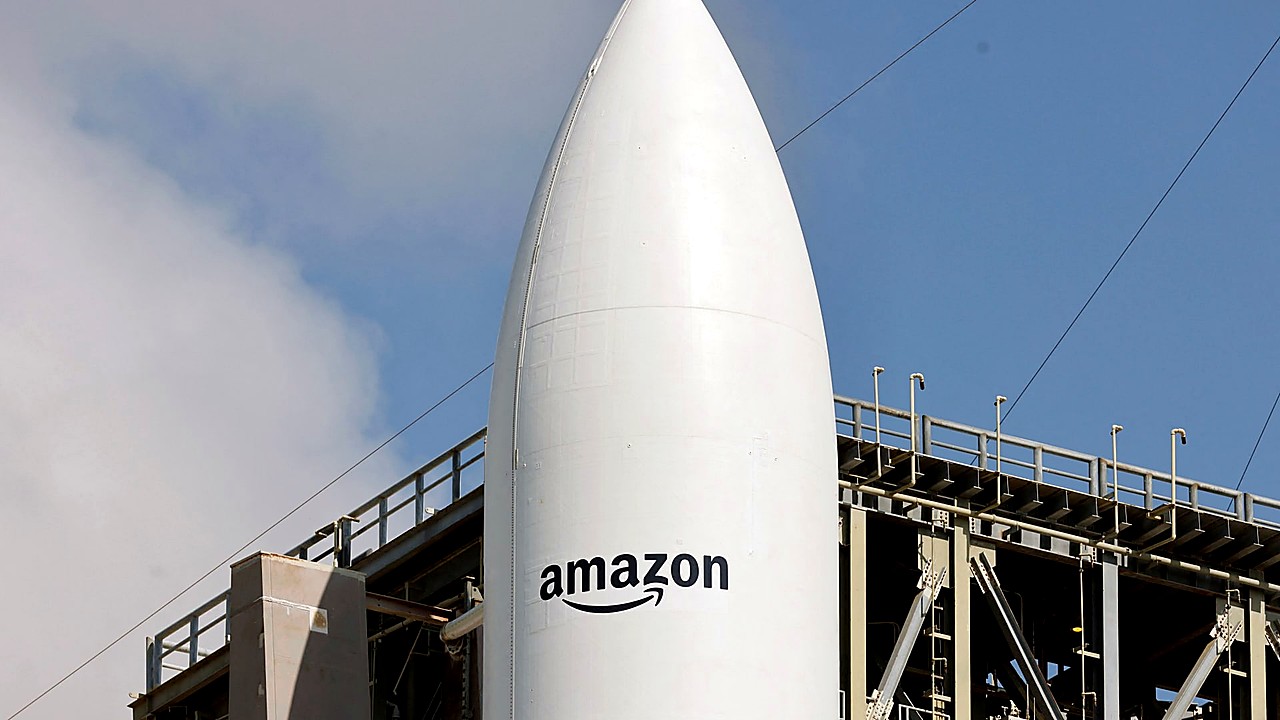
Amazon says it has now deployed enough satellites to begin initial service for its low-Earth-orbit broadband network, Leo, later this year, marking a major step toward entering the satellite internet market.
The milestone follows Amazon’s latest launch, which brought the company’s constellation to nearly 400 satellites in orbit, according to recent reports including Reuters and GeekWire. Amazon has positioned Leo as a consumer and enterprise broadband offering delivered via satellites operating in low Earth orbit.
The company’s plan puts it in direct competition with SpaceX’s Starlink and other satellite internet providers that are racing to expand global coverage. By reaching a satellite count it says is sufficient for initial operations, Amazon is moving from deployment into the early stages of delivering service.
Amazon has not announced a specific start date in the reports cited, but the company has indicated service will begin later this year. The initial phase is expected to focus on bringing broadband to customers using the network’s current satellite footprint, with expansion tied to continued launches and buildout of supporting infrastructure.
This development matters for consumers and businesses because it increases competition in a fast-growing segment of the internet access market, particularly in areas where fiber or cable service can be costly or impractical to deploy. Satellite broadband networks aim to provide connectivity to rural and remote communities, as well as to mobile users, with performance improvements compared with older, higher-orbit satellite systems.
For Amazon, launching Leo also extends the company’s reach beyond its core e-commerce and cloud businesses and into a communications service that could ultimately complement its broader technology ecosystem. The move underscores how major U.S. tech companies are increasingly investing in space-based infrastructure as demand grows for always-on connectivity.
What happens next is the transition from satellite deployment milestones to customer-facing service. Amazon will need to activate the network for early users, manage capacity and coverage as service begins, and continue launching additional satellites to broaden availability and strengthen performance. The company is also expected to proceed with the remaining steps required to deliver service at scale, including operational readiness and customer equipment distribution, as it shifts from buildout to operations.
Amazon’s announcement that it has enough satellites to start Leo later this year signals that the long-planned effort is nearing a turning point: the network is moving from a project in development to a commercial service poised to enter the market.