Iran Starts Weeklong Funeral Rites For Supreme Leader Khamenei
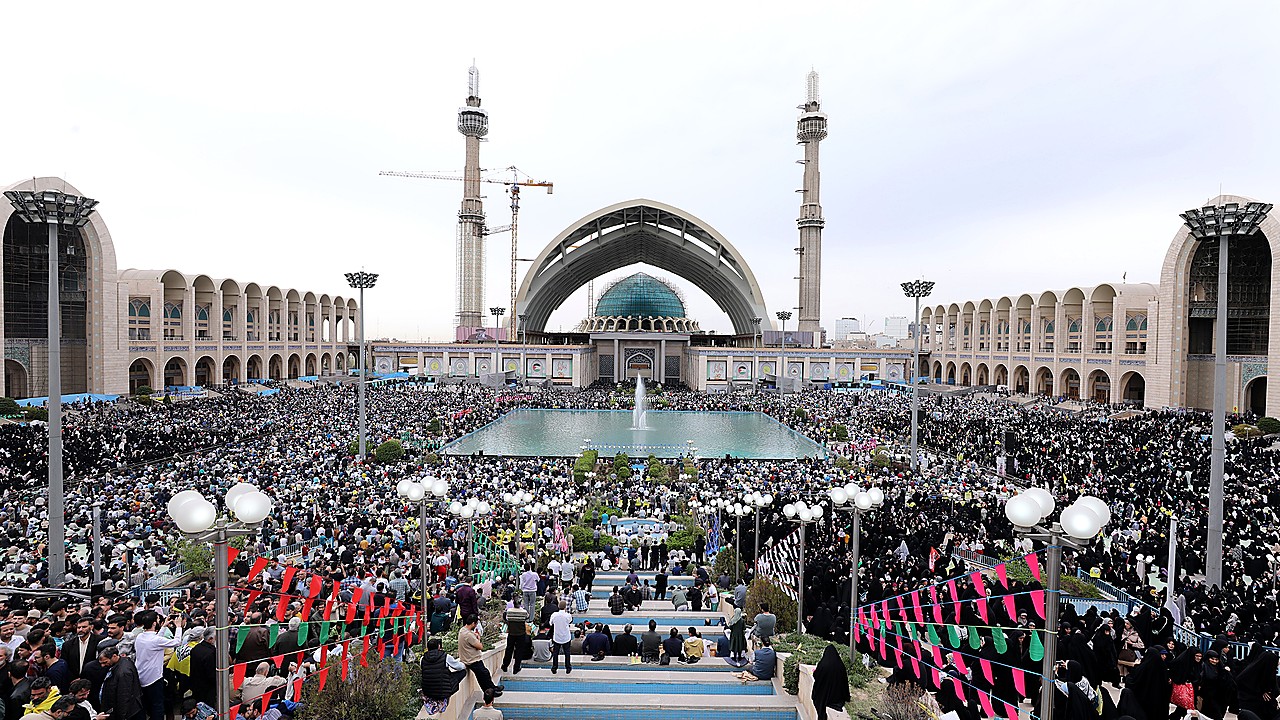
Iran on Monday began a week of funeral ceremonies for Supreme Leader Ayatollah Ali Khamenei, launching days of state rituals as the country prepares to bury the leader who was killed in February during a war.
Khamenei lay in state in Tehran as the first official events got underway, according to Reuters. Iranian state ceremonies are expected to continue over several days, drawing crowds of mourners and official delegations to the capital.
The funeral week centers on Tehran, where public viewing and formal observances are taking place. Multiple outlets, including Reuters, Al Jazeera, NPR and The Washington Post, reported that Iran’s leadership planned a dayslong schedule culminating in burial after months of delay since Khamenei’s death.
Khamenei’s death removed the most powerful figure in Iran’s political system. As supreme leader, he stood at the apex of decision-making on national security, foreign policy and the boundaries of political life at home. The week of ceremonies is a major state event intended to mark the end of his era and formalize the transition underway.
The start of the funeral week is also a significant moment for Iran’s allies and partners in the region. The New York Times reported that allies were gathering in Iran on the first day of ceremonies, underscoring the diplomatic and symbolic weight Tehran is placing on the events.
The extended timetable for public rites reflects both the scale of the occasion and the sensitivity surrounding the leader’s wartime death. The Washington Post noted that Iran is moving to finally bury him months after he was killed, turning a long-anticipated state funeral into a focal point for national attention.
Iranian authorities have not publicly detailed every element of the schedule in the reporting cited, but the coverage describes a multi-day process that includes lying in state in the capital and additional ceremonies before burial. Separate reports from Al Jazeera and Al-Monitor described Iranians gathering as the funeral period began.
The ceremonies matter because they will set the public tone for Iran’s next phase after the loss of its top leader, and because they bring large crowds and high-level visitors to Tehran at a time when the country is navigating the aftermath of a war.
What happens next is a continuation of the planned weeklong observances, with additional events expected in the days ahead and burial at the end of the official mourning period. Iranian officials and visiting delegations are expected to participate as the country completes the final rites.
For Iran, the funeral week is both a national mourning period and a defining state moment, closing one chapter of power and signaling the start of another.