Ukraine Drone Strike Hits Omsk Refinery, Russian Officials Say
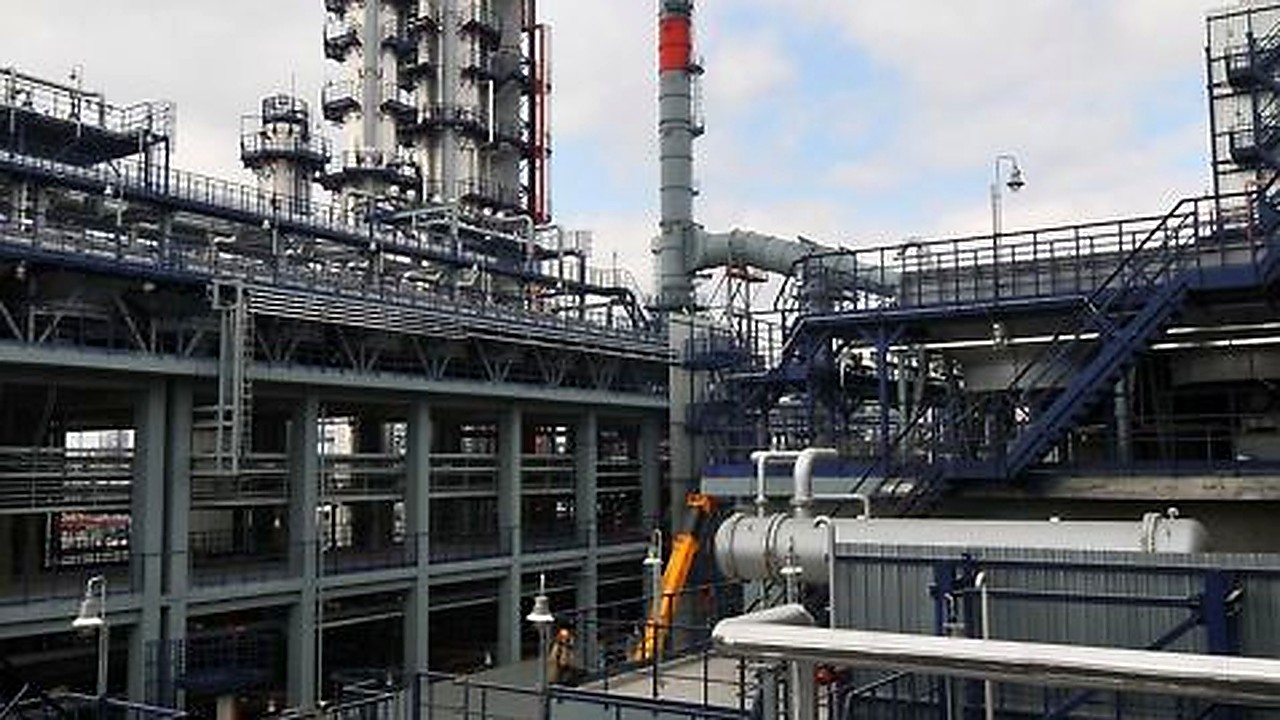
Ukrainian drones struck the Omsk oil refinery in western Siberia, according to multiple reports, in an attack that reached far beyond the front lines and into one of Russia’s most important fuel-processing hubs.
The target was the Omsk refinery, widely described in recent coverage as Russia’s largest. Reports said the strike hit the facility in Omsk, a city in western Siberia, marking one of the deepest drone attacks attributed to Ukraine since the start of the full-scale war.
Accounts of the distance the drones traveled varied across outlets, with figures ranging from about 2,500 kilometers to 3,000 kilometers, and some reports also using mileage estimates. The broad point was consistent: Omsk sits far from Ukraine’s border, underscoring the reach of the drones used in the attack.
Several headlines described the refinery as being hit for the first time and characterized the strike as a record-setting or among the deepest such operations. Others reported the facility was damaged and referenced flames at the site, though details about the scale of the fire, the extent of damage, or any casualties were not provided in the context available here.
The strike matters because refineries are critical to producing gasoline, diesel, and other fuels that support civilian supply chains as well as military logistics. A successful attack on a major refinery can force operational disruptions, tighten regional fuel availability, and compel costly repairs and additional security measures. Strikes on energy infrastructure also tend to carry broader economic implications, given the central role oil products play in transportation and industry.
Hitting a large refinery so far from the border also highlights the changing contours of the conflict. Long-range drone operations expand the geography of risk for industrial sites that previously may have been viewed as insulated from the war, and they can reshape how resources are allocated for air defense and infrastructure protection across vast areas.
What happens next will depend on assessments of the refinery’s operational status and whether production is reduced or halted. Any confirmed outage could have knock-on effects for fuel distribution and pricing in surrounding regions, while a rapid resumption of operations would limit the immediate impact.
Further information is expected from Russian officials, local authorities, and the companies involved regarding damage, firefighting efforts, and continuity plans. Additional statements from Ukraine about the operation, including confirmation of responsibility and details of the drones used, may also clarify key questions left unanswered by initial reports.
The strike on the Omsk refinery stands out as a notable escalation in reach, bringing a major Russian energy asset in western Siberia into the war’s expanding target set.