Oil Prices Rise After Reported Iranian Attack In Strait
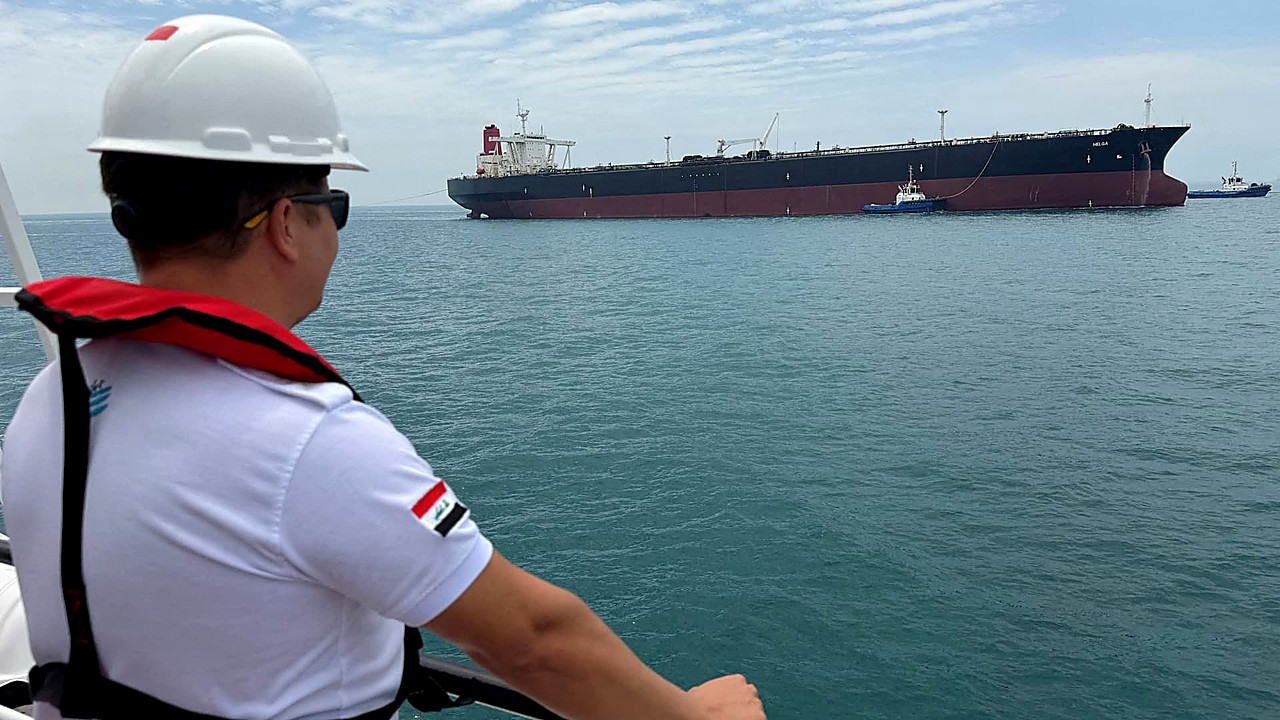
Oil prices climbed after a report said Iran attacked commercial ships in the Strait of Hormuz, a vital corridor for global energy shipments. The move added fresh tension to an already volatile security environment in the Middle East and quickly reverberated through energy markets.
The report described Iranian attacks on commercial vessels, including an LNG tanker, in or near the Strait of Hormuz. The strait, located between Iran and Oman, links the Persian Gulf with the Gulf of Oman and the Arabian Sea and is one of the world’s most strategically important maritime chokepoints.
The report also said the United States was weighing a military response. No additional official details were provided in the cited reports about the scale of damage, the number of vessels involved, or whether any crew members were injured.
Separately, Radio Free Europe/Radio Liberty reported former President Donald Trump renewed a threat to “finish the job” with military action against Iran. The statement comes amid heightened focus on U.S.-Iran tensions and the security of shipping lanes, though the reports did not connect the comment to any immediate operational decision.
The price move matters because the Strait of Hormuz is central to the flow of crude oil and other energy supplies to international markets. Any perceived threat to safe passage can lift risk premiums, influence shipping and insurance costs, and raise concerns about potential disruptions that ripple beyond the region. For major energy consumers and producers alike, instability around the strait can quickly translate into higher costs and uncertainty for businesses and households.
The developments also carry wider implications for maritime security and international diplomacy. Attacks on commercial shipping can prompt increased naval deployments, changes in routing, and heightened alerts for ship operators. They can also intensify pressure on governments to respond, particularly if incidents are repeated or escalate.
What happens next will depend on further verification of the reported attacks and on decisions by U.S. officials as they review response options. Shipping companies and energy traders will watch for any additional incidents, official statements, or steps that could affect transit through the strait, including changes in security guidance, escort policies, or risk assessments for vessels operating in the area.
For now, the reported attacks and the possibility of a U.S. response have injected new uncertainty into global energy markets, underscoring how quickly tensions in the Strait of Hormuz can reverberate far beyond the Gulf.