Ukrainian Drones Strike Russian Refineries In Krasnodar, Officials Say
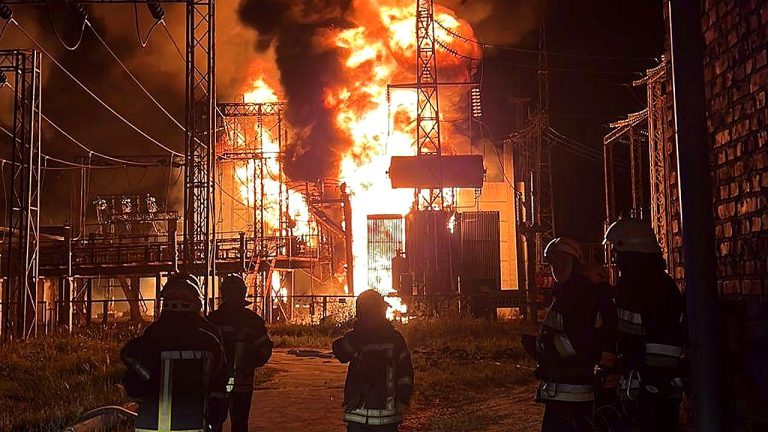
Ukrainian drone strikes hit oil refineries in southern Russia and the port of Azov, officials said, in the latest reported attacks targeting infrastructure tied to Russia’s war effort.
The reported strikes involved multiple sites in Russia’s south, including refinery facilities and operations linked to the Sea of Azov, according to officials cited in published reports. Separate reports said the attacks ignited fires at Russian oil sites.
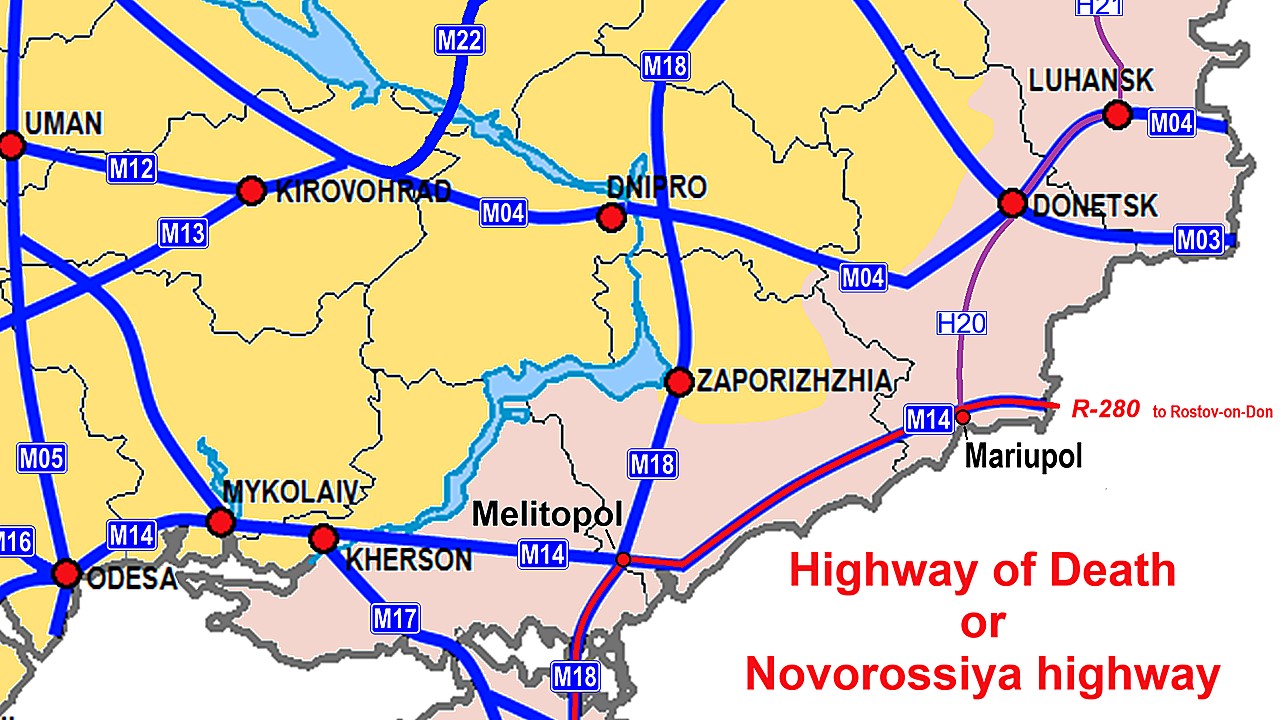
The port of Azov sits near the Sea of Azov, a waterway that has been central to shipping routes in the region during the war. Ukrainian officials have publicly framed their campaign as aimed at disrupting logistics supporting Russian forces and limiting supply routes to Russian-occupied Crimea.
In one account, Ukraine’s General Staff confirmed strikes on a major refinery and terminals and said 18 vessels were hit. Another report cited Ukrainian statements that 35 vessels were hit over a four-day period as part of a campaign in and around the Sea of Azov. Ukraine has also released footage it says shows drones striking Russian tankers in the area.
The reported attacks matter because energy infrastructure and maritime shipping are crucial to Russia’s ability to sustain military operations and generate revenue. Damage to refineries can disrupt fuel production and distribution. Strikes on port facilities and vessels can complicate transportation routes and raise security concerns for operations in contested waters.
The developments also underscore the expanding use of drones and long-range attacks in the conflict. Ukraine’s President Volodymyr Zelenskyy has announced the creation of a “long-range impact” command, according to a war briefing report, part of a stated effort to strike Russia’s energy sector.
While officials described the strikes and the resulting damage, the full scope of the impact was not immediately clear from the reports. The accounts did not provide comprehensive independent assessments of the damage at each location or how long disruptions might last.
What happens next will depend on follow-up assessments by local authorities and operators at the affected facilities and how quickly any damaged equipment can be repaired or replaced. Additional statements from Ukrainian and Russian officials are expected as the situation develops, including further details on targets, the extent of any fires, and the status of port activity and shipping.
For now, the reported strikes highlight how both energy sites and maritime routes in southern Russia and the Sea of Azov remain exposed to attacks as the war grinds on.