Iran Fires Missiles At Gulf States After U.S. Strikes Escalate
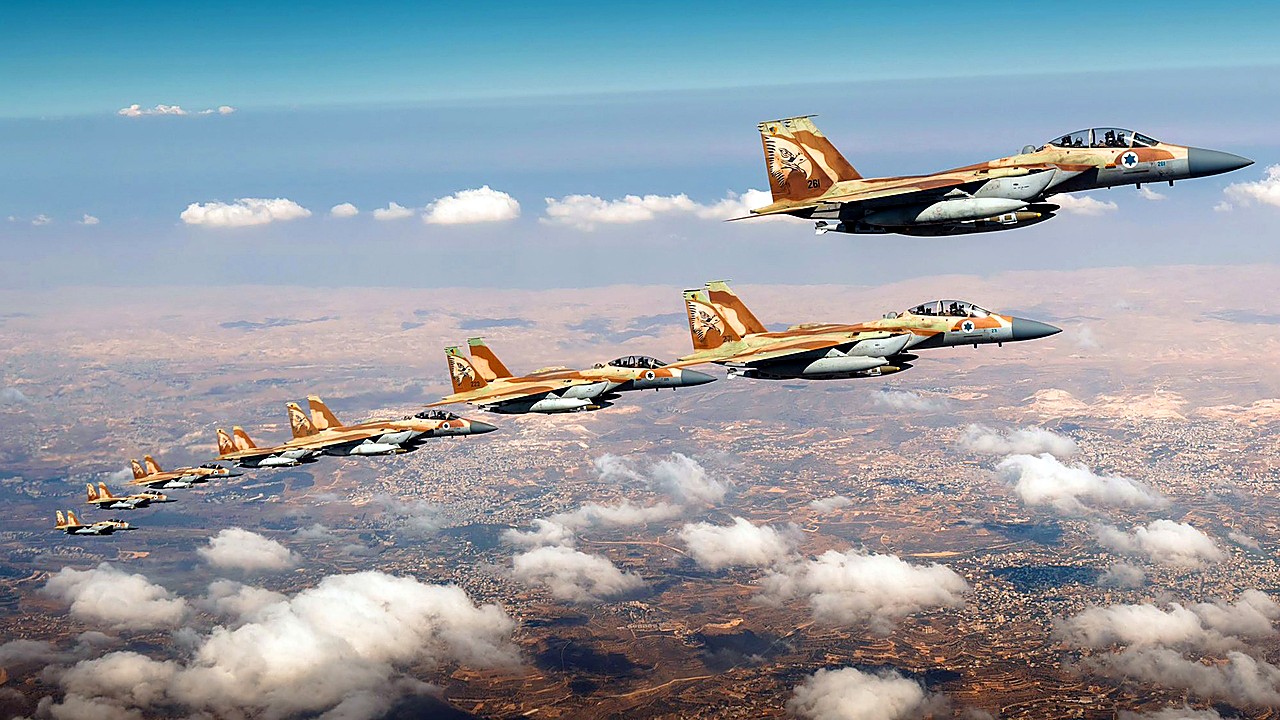
Iran launched attacks on Gulf states after what were described as the heaviest U.S. strikes in months, escalating a fast-moving confrontation that has raised regional security concerns and put new pressure on diplomatic efforts to contain wider conflict.
The latest development followed new U.S. strikes on Iran, which the U.S. military said it carried out in a fresh round of operations. Soon afterward, Iran launched attacks affecting multiple Gulf countries, according to reporting from major news organizations, including The Washington Post and Al Jazeera. The scope and targets of the attacks, as well as the extent of damage and casualties, have not been fully detailed in the information available.
Al Jazeera reported that Iran attacked five Gulf nations and that the Strait of Hormuz was shut. The report did not provide additional specifics in the context provided here about how the closure was implemented, who declared it, or how shipping was being affected in practice. The Washington Post headline described Iran’s actions as attacks on Gulf states occurring after the U.S. carried out its most intense strikes in months.
The U.S. strikes were publicly acknowledged by the U.S. military, as reflected in a New York Times headline stating that the United States launched new strikes on Iran. No further operational details were provided in the context available, including the locations of the strikes, the targets, or any assessment of results.
This sequence matters because it marks a rapid escalation from U.S.-Iran military action to attacks affecting multiple states in the Gulf, a region critical to global energy markets and international shipping. Any disruption around the Strait of Hormuz, even temporarily, has the potential to complicate commercial transit and heighten economic uncertainty for countries that rely on the waterway for exports and imports.
The development also places Gulf governments in a more immediate security posture, as they weigh protective measures for critical infrastructure and evaluate their own roles in a crisis involving two major military actors. The widening of the conflict footprint beyond direct U.S.-Iran exchanges increases the risk of further incidents and makes de-escalation more complex.
Next steps are expected to center on official responses from the governments involved, including any announcements of defensive actions, damage assessments, or changes to maritime and aviation advisories. Further statements from the U.S. military and Iranian authorities are also likely as both sides address the latest operations and the resulting regional fallout.
In the near term, attention will focus on whether reported disruptions around Hormuz persist and whether additional strikes or attacks are announced, as the region braces for what could become a more sustained period of instability.
With U.S. strikes continuing and Iran now launching attacks that reach across the Gulf, the confrontation has entered a more volatile phase with consequences that extend well beyond the immediate battlefield.