Direct Israel-Lebanon Talks Open In Rome Under U.S. Auspices
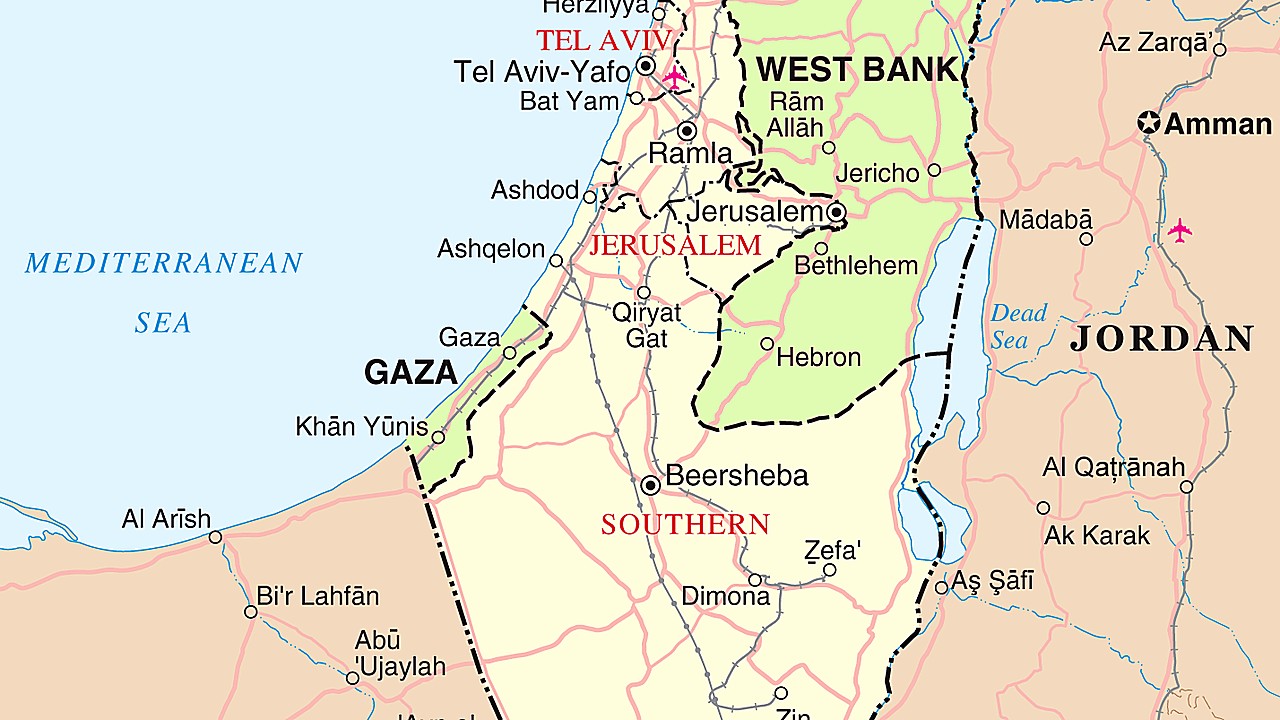
Direct talks between Israel and Lebanon began in Rome on Tuesday in a new round of U.S.-brokered negotiations aimed at advancing an agreed framework and addressing disputed security and withdrawal arrangements, according to multiple reports.
The discussions bring together Israeli and Lebanese delegations in the Italian capital, with U.S. officials involved in mediating the process. The talks are being held as fighting in the region has continued, adding urgency and political sensitivity to the diplomatic effort.
Reporting on the talks described them as a sixth round of U.S.-mediated meetings. Separate coverage said U.S. and Lebanese delegations met to discuss Israeli “pilot zones” withdrawal, a term used in the negotiations to describe a phased approach tied to specific areas. Other reports said the Rome talks are focused on implementing a framework deal, though details of the framework and the specific commitments under discussion were not laid out in the information available.
The Rome meetings mark a notable step because they involve direct engagement between two countries that have been locked in decades of hostilities and periodic cross-border conflict. Even when discussions occur, they are often carried out through intermediaries or under tightly controlled formats.
Diplomatic efforts between Israel and Lebanon have historically faced obstacles tied to security concerns, domestic politics in both countries, and shifting regional dynamics. The decision to convene again, this time in Rome, underscores the continued role of the United States in convening and attempting to structure the talks, even as tensions remain high.
The stakes include potential movement on withdrawal and related arrangements that could reshape stability along the Israel-Lebanon frontier. Any progress could affect civilian security, military postures near the border, and the broader diplomatic landscape at a moment when multiple flashpoints are active across the region.
For Lebanon, the talks are unfolding amid heavy human costs from recent violence, with one report citing that more than 4,000 people have been killed. That context has intensified scrutiny inside Lebanon over the direction of diplomacy and the terms of any agreement.
For Israel, the negotiations are taking place while it continues to manage security priorities tied to the northern front. The discussions over “pilot zones” and implementation mechanisms indicate attention to sequencing, verification, and how any steps would be carried out on the ground.
What happens next will depend on whether the delegations can narrow differences on withdrawal-related proposals and on the practical steps needed to carry out the framework referenced in reports. Additional sessions are possible if mediators judge that the sides are close enough to continue working through remaining issues.
For now, the Rome talks put a fresh diplomatic track in motion under U.S. mediation, with both sides testing whether direct dialogue can translate into concrete steps.